EN

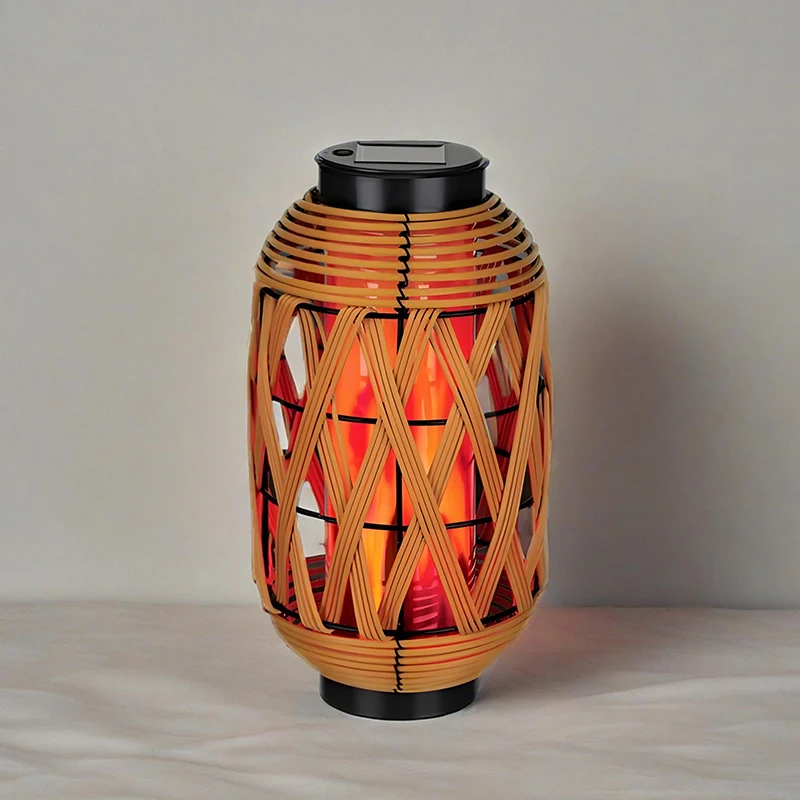
Ensuring quality consistency in solar decoration light production is crucial for B2B buyers looking to source reliable and aesthetically pleasing products. This article will delve into the key factors that influence quality, helping purchasing managers, distributors, and engineers make informed decisions. With insights into specifications, manufacturing processes, and common challenges, this guide aims to empower buyers to effectively evaluate suppliers and ensure that their orders meet the required standards.
How to Choose Quality Solar Decoration Lights for Wholesale Orders
When selecting solar decoration lights for wholesale orders, buyers should consider several key factors to ensure they receive high-quality products. Firstly, assess the material composition; durable and weather-resistant materials, such as high-grade plastics or stainless steel, can significantly impact the longevity and appearance of the lights. For instance, lights made from UV-resistant materials will maintain their aesthetic appeal over time, even in harsh outdoor conditions.
Additionally, evaluate the design and functionality. Products should not only be visually appealing but also designed for optimal light performance, which entails checking the lumen output and battery capacity. A well-designed solar decorations light will effectively harness solar energy and provide sufficient illumination during the night.
Lastly, examine the manufacturer's certification credentials, such as CE, RoHS, and FCC. These certifications indicate compliance with international standards, ensuring that the products are safe and of high quality. Engaging with a manufacturer like Xiamen Yuandian Trade Co., Ltd., which holds multiple certifications and boasts extensive design patents, can offer additional assurance of product quality.
What Specifications Should You Consider in Solar Lighting Products?
Understanding the specifications of solar lighting products is essential for making informed purchasing decisions. Key specifications include battery type, solar panel efficiency, and waterproof rating.
Battery Type: Lithium-ion batteries are often preferred due to their long life and efficiency compared to other types like NiMH. A higher capacity (measured in mAh) can lead to longer operational times at night.
Solar Panel Efficiency: The efficiency of the solar panel affects how quickly the battery charges. Look for panels that convert a higher percentage of sunlight into energy. Typically, monocrystalline panels are more efficient than polycrystalline ones.
Waterproof Rating: The Ingress Protection (IP) rating indicates the product’s ability to withstand moisture and dust. An IP65 rating, for example, ensures that the light is protected against water jets, making it suitable for outdoor use.
Buyers should also consider the dimensions and weight of the lights, especially if they need to transport or install them in various settings. Confirming these specifications against your application requirements will help prevent potential issues during installation and usage.
How to Evaluate Quality Consistency in Solar Light Production?
Evaluating quality consistency requires a multi-faceted approach. Start by reviewing the manufacturer's production capabilities and quality control processes. A factory with integrated production lines, like Xiamen Yuandian Trade Co., Ltd., typically has better control over the manufacturing process, leading to more consistent quality.
Requesting samples is another effective way to evaluate quality. Ensure that samples are tested under real operating conditions, as this can reveal potential issues that may not be apparent from initial visual inspections. Buyers should check parameters such as solar LED lights output, battery life, and even aesthetic aspects like finish quality.
Inspect the manufacturer's quality assurance protocols, including any certifications they uphold. A robust quality management system that includes regular audits and testing can indicate a commitment to quality consistency. Additionally, consider feedback from previous customers; reviews and testimonials can provide insight into the manufacturer's reliability and product performance over time.
Solutions to Common Problems in Solar Decorative Light Manufacturing
Common manufacturing problems in solar decorative light production can include issues with battery performance, inadequate waterproofing, and quality variations. To mitigate these challenges, manufacturers should implement rigorous testing protocols throughout the production process.
One frequent issue is battery failure due to substandard materials or improper handling during assembly. Ensuring that only quality components are used and that workers are trained in proper assembly techniques can help alleviate this problem.
Waterproofing can also be a concern. Manufacturers should utilize high-quality seals and gaskets to prevent moisture ingress, which can damage internal components. Conducting thorough waterproof testing before shipping can help ensure that products meet or exceed the expected IP ratings.
Lastly, variations in quality can arise from inconsistent raw material sourcing. Establishing long-term relationships with reliable suppliers can help ensure that materials meet the necessary standards and reduce variability in the final product.
Installation Guidance for Solar Decoration Lights in Various Settings
Proper installation of solar garden decorations lights is essential for optimal performance. Begin by identifying locations that receive ample sunlight during the day, as this will maximize charging efficiency. It's advisable to avoid shaded areas from trees or buildings.
When installing, ensure that the solar panel is positioned to face the sun directly, as the angle can significantly influence charging. Depending on the design, some lights may need to be mounted at specific heights or angles to achieve the desired illumination effect.
In terms of maintenance, advise customers to periodically clean the solar panels to remove debris and dirt, which can hinder performance. Additionally, checking the battery and light functionality regularly can help catch any issues early, ensuring that the lights operate effectively throughout their lifespan.
With a clear understanding of these factors, buyers can confidently navigate the complexities of sourcing solar decoration lights, ensuring quality consistency throughout the production process. By focusing on specifications, evaluating potential suppliers, and implementing proper installation techniques, B2B buyers can make informed decisions that meet their needs and enhance their product offerings.
Table of Contents
- How to Choose Quality Solar Decoration Lights for Wholesale Orders
- What Specifications Should You Consider in Solar Lighting Products?
- How to Evaluate Quality Consistency in Solar Light Production?
- Solutions to Common Problems in Solar Decorative Light Manufacturing
- Installation Guidance for Solar Decoration Lights in Various Settings