EN

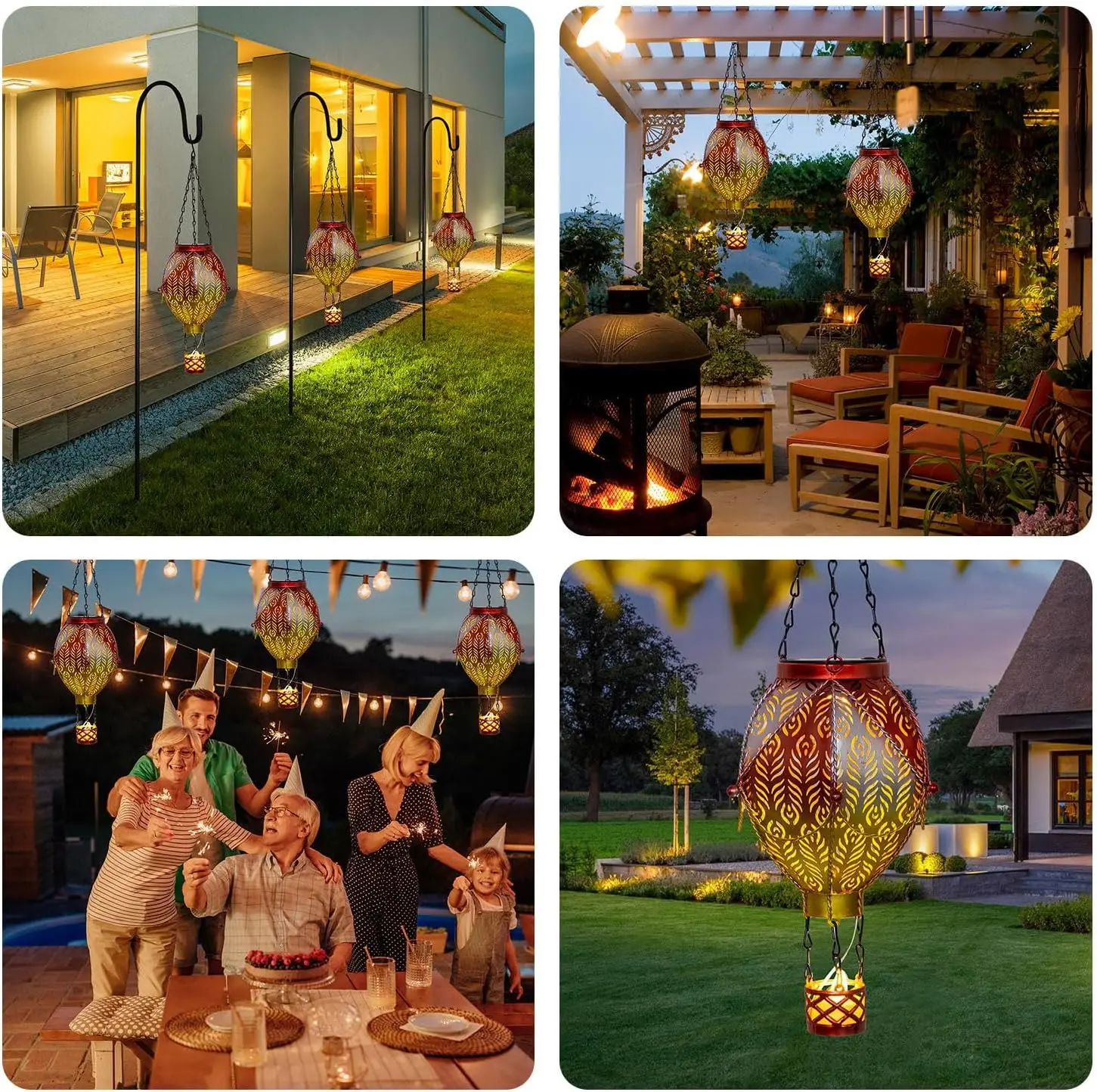
Choosing the right battery technology for solar garden stakes is essential for ensuring optimal performance and longevity. The debate between Lithium batteries and Nickel-Metal Hydride (NiMH) batteries is common among purchasing managers and product managers in the solar lighting industry. This article will compare Lithium Battery vs NiMH in Solar Garden Stakes, addressing key differences, cost factors, application suitability, and common issues that might arise, helping B2B buyers make informed purchasing decisions.
What Are the Key Differences Between Lithium and NiMH Batteries?
Lithium batteries and NiMH batteries differ significantly in several aspects, including energy density, charge cycles, and temperature performance.
Energy Density: Lithium batteries typically have a higher energy density compared to NiMH batteries. This means they can store more energy in a smaller, lighter package, making them ideal for applications where weight and space are concerns, such as in slim solar garden stakes.
Charge Cycles: Lithium batteries generally offer more charge cycles, often exceeding 2,000 cycles, while NiMH batteries might only reach around 500 to 1,000 cycles. This longevity can significantly reduce the frequency and cost of replacement, which is an important consideration for businesses managing large inventories of solar garden lights.
Temperature Performance: Lithium batteries can operate efficiently in a wider temperature range, making them suitable for various environmental conditions. In contrast, NiMH batteries may suffer from reduced performance in extreme temperatures. This resilience is crucial for outdoor products, ensuring that garden solar stake lights function well in different climates.
By understanding these key differences, buyers can better assess which battery technology aligns with their product requirements and operational expectations.
Bulk Order Considerations for Lithium and NiMH Battery Options
When placing bulk orders for either Lithium or NiMH batteries, several factors should be considered to ensure the best procurement process.
Minimum Order Quantity (MOQ): Depending on the supplier, MOQs may vary significantly. For example, suppliers like Xiamen Yuandian Trade Co., Ltd. may set specific MOQs based on battery type and customization requirements. Buyers should confirm these details early in the negotiation process to avoid unexpected delays.
Customization: Customization options can also differ between battery types. Lithium batteries may offer more flexible design choices, such as integrated battery management systems, while NiMH options might have fewer customization capabilities. Understanding your specific needs can help streamline the ordering process.
Lead Time: Lead times can vary based on the battery type, supplier capabilities, and market demand. Suppliers with efficient production lines, like Xiamen Yuandian, typically fulfill orders quicker. It's advisable to inquire about lead times during the ordering process, especially if you require products for seasonal sales.
Considering these factors can significantly impact the overall cost and efficiency of your procurement strategy.
Using Lithium vs NiMH in Solar Applications
The application of Lithium and NiMH batteries in solar garden stakes hinges on their performance characteristics and suitability for specific scenarios.
Performance in Solar Applications: Lithium batteries are often preferred for solar applications due to their higher efficiency in energy storage and discharge rates. This translates to brighter and longer-lasting solar garden lights, which can enhance customer satisfaction and reduce returns.
Environmental Considerations: NiMH batteries, while less efficient, are often seen as more environmentally friendly due to their less toxic composition. However, they may require more frequent replacements, leading to increased waste over time. Buyers concerned about sustainability should weigh these factors carefully when selecting battery technology.
In practical terms, if you are looking for decorative solar garden stakes that require minimal maintenance and longer operational life, Lithium batteries may be the better choice. Conversely, if your priority is to use environmentally friendly materials, NiMH might be more appealing despite its limitations.
Evaluating Cost Factors of Lithium and NiMH Battery Solutions
Cost is a critical factor in the decision-making process when choosing between Lithium and NiMH batteries.
Initial Costs: Lithium batteries tend to have a higher upfront cost compared to NiMH batteries. However, this higher initial investment can be offset by the longer lifespan and lower replacement frequency of Lithium batteries.
Total Cost of Ownership (TCO): Buyers should calculate the total cost of ownership, which includes initial costs, replacement costs, and maintenance. For instance, while NiMH batteries may be cheaper initially, their shorter lifespan may lead to higher long-term costs as replacements are needed more frequently.
Energy Efficiency: Lithium batteries also offer better energy efficiency, meaning more stored energy is utilized effectively. This efficiency can translate into lower operational costs over time, making Lithium batteries a more economical choice in the long run.
Understanding these cost factors is essential for making an informed decision that balances initial investment with long-term operational costs.
Common Problems with Lithium and NiMH Batteries in Garden Stakes
Both Lithium and NiMH batteries present unique challenges that B2B buyers should be aware of when integrating them into solar garden stakes.
Lithium Battery Issues: Lithium batteries can be sensitive to temperature extremes, which may affect their performance and safety. Overcharging can also lead to battery degradation or even failure. Implementing a robust battery management system can help mitigate these risks.
NiMH Battery Concerns: NiMH batteries may suffer from memory effect, whereby incomplete charging cycles can lead to reduced capacity over time. This is particularly problematic in applications like solar garden stakes, where consistent performance is crucial. Ensuring proper charging practices can help avoid this issue.
Maintenance and Testing: Regular maintenance and testing protocols should be established for both battery types to ensure reliability. This includes monitoring performance, checking for leaks or swelling, and ensuring that the solar panels are functioning correctly to provide adequate charging.
By understanding these common problems, buyers can take proactive measures to ensure the reliable operation of stake lights for garden, enhancing customer satisfaction and product longevity.
In summary, the choice between Lithium and NiMH batteries for solar garden stakes involves careful consideration of performance characteristics, cost factors, and common issues. By understanding these aspects, B2B buyers can make informed decisions that align with their product and operational needs.