EN

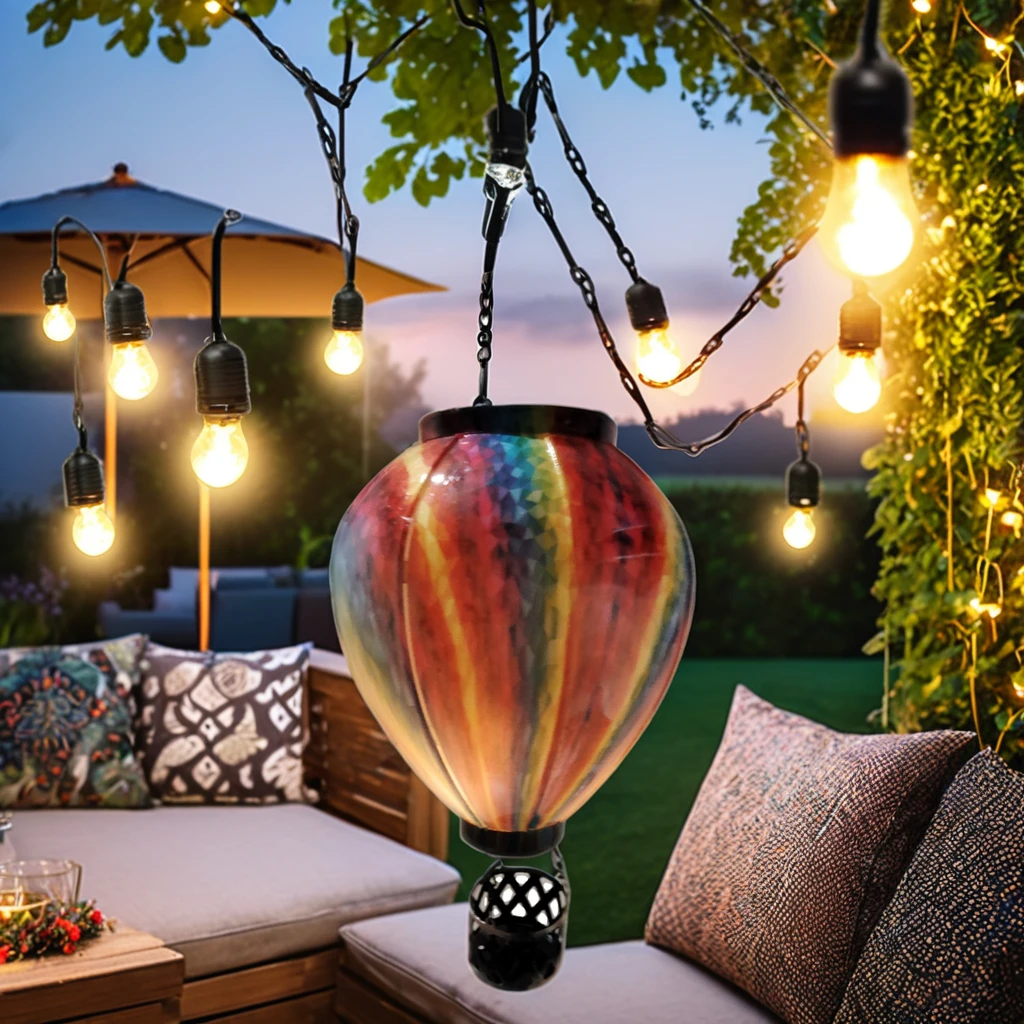
The rise of garden solar decoration lights has transformed outdoor lighting markets, appealing to both consumers and businesses alike. These innovative products not only enhance aesthetic appeal but also offer sustainability and cost-effectiveness. As a B2B buyer, you might be looking for insights into why these lights are gaining traction, how to select the right options for your projects, and what key specifications matter. This article will help you navigate these aspects, ensuring you make informed purchasing decisions in the growing market of garden solar decoration lights.
Understanding the Growing Demand for Garden Solar Decoration Lights
Garden solar garden decorations lights are becoming increasingly popular due to the heightened awareness of environmental sustainability and energy efficiency. As more consumers and businesses seek ways to reduce their carbon footprint, solar-powered lighting offers a renewable energy solution that aligns with these values. Additionally, advancements in solar technology have enhanced the performance and design of these lights, making them more appealing for various outdoor applications.
The versatility of solar lights allows them to be used in a range of settings from residential gardens to commercial properties and events. Their ability to function without wiring or external power sources simplifies installation and reduces upfront costs. Furthermore, the aesthetic variety available from whimsical garden ornaments to elegant pathway lights means there’s a suitable option for every outdoor space.
How to Choose the Right Solar Lighting for Your Outdoor Spaces
When selecting solar lighting for outdoor use, consider several critical factors. First, assess the intended application of the lights. Are they for decorative purposes, functional lighting, or both? This will guide your choice in style and brightness.
Next, evaluate the specific features you need, such as adjustable brightness settings, motion sensors, or color-changing options. Additionally, check the product’s solar panel efficiency and battery capacity, as these directly influence performance and longevity. For example, models with higher wattage solar panels will typically gather more energy, resulting in longer operation times after charging.
Moreover, consider the durability of the materials used in the lights. Look for products with high IP ratings (like IP65) to ensure they can withstand various weather conditions. This is particularly important in regions with harsh climates.
Key Specifications to Consider When Sourcing Solar Lights
When sourcing solar garden lights, several specifications are essential for ensuring quality and performance. These include:
Solar Panel Efficiency: Look for panels made with monocrystalline or polycrystalline materials, with higher efficiency ratings indicating better performance in low-light conditions.
Battery Capacity: The storage capacity, usually measured in milliamp-hours (mAh), determines how long the lights will operate after sunset. A larger capacity allows for extended use throughout the night.
Lumens: This is a measure of brightness; consider the lumens output based on where the light will be used. For pathways, 100-200 lumens may suffice, while larger areas may require 300 lumens or more.
Material Quality: Opt for solar decorations lights made from durable materials like stainless steel or high-impact plastic, which can withstand outdoor conditions and resist corrosion.
Certification: Ensure the products meet relevant industry certifications (like CE, RoHS, and FCC) to confirm safety and quality standards.
Understanding these specifications will help you make informed decisions and avoid common pitfalls, such as purchasing lights that fail to meet performance expectations.
Common Problems with Solar Lights and Effective Solutions
While solar lights offer numerous benefits, buyers should be aware of common issues that may arise. One frequent problem is inadequate charging, often due to poor placement or obstruction from surrounding objects. To mitigate this, ensure that the solar panels receive direct sunlight for the majority of the day.
Another issue is battery failure. Low-quality batteries may degrade quickly or fail to hold a charge. Sourcing lights with high-quality lithium-ion batteries can significantly improve performance.
Additionally, some solar lights may not be bright enough for larger areas. If this is a concern, consider investing in models with adjustable brightness settings or higher lumen outputs.
Regular maintenance, such as cleaning the solar panels and replacing batteries when necessary, can also enhance the longevity and efficiency of your solar lights.
Leveraging Solar Lights for Outdoor Projects
Solar lights can be a valuable asset in various outdoor projects, including landscaping, event planning, and commercial installations. Their ease of installation and flexible design options make them suitable for temporary setups or permanent fixtures.
When planning an installation, consider the layout and spacing of the lights to ensure optimal illumination. For example, path lights should be placed approximately 6-8 feet apart to provide consistent coverage. In contrast, decorative lights can be strategically placed to enhance focal points in the landscape.
Customization is another aspect to explore. Many manufacturers, including Xiamen Yuandian Trade Co., Ltd., offer options for bespoke designs, allowing you to create unique lighting solutions that cater to specific project needs. This includes custom shapes, colors, and packaging, ensuring that your outdoor spaces reflect your brand or personal aesthetic.
In summary, garden solar powered decorations are not only an environmentally friendly choice but also a versatile one for enhancing outdoor spaces. By understanding the growing demand, knowing how to choose appropriately, considering key specifications, being aware of common issues, and leveraging these lights effectively in projects, you can make informed decisions that meet your needs and those of your clients.