EN
EN

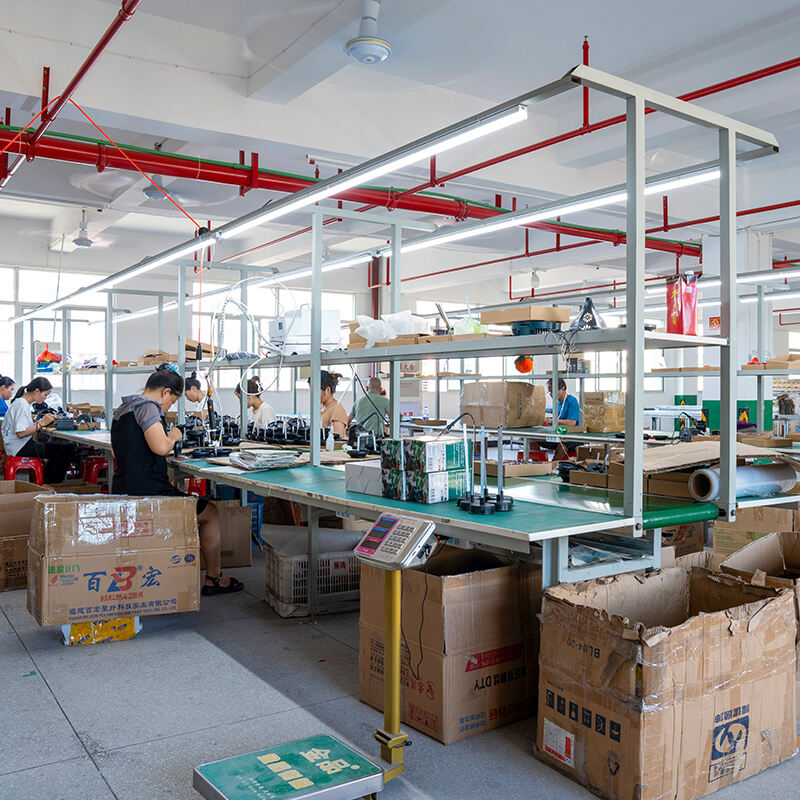
Eliminating Variability: How Automation Enhances Consistency in Metal Spiral Wind Spinner Production
Challenges of Manual Metal Spinning: Sources of Inconsistency
Making metal spiral wind spinners by hand just isn't consistent enough for mass production. People working on them tend to apply different amounts of pressure with their tools, make mistakes when tired, and get distracted by what's going on around them. According to a report from last year's Craftsmanship Conference, handmade spirals can vary anywhere between 15% bigger or smaller than intended because of all these little issues. The real problems come down to how evenly heat gets applied across the metal surface, which affects how pliable it stays during shaping. Getting those spiral arms aligned properly is another headache altogether. And let's not forget about keeping the spinning motion steady throughout the process. These small fluctuations end up making each finished product look and feel slightly different, which isn't great if someone wants a uniform set for their garden display.
How Automation Reduces Human Error and Process Drift
Automated CNC (Computer Numerical Control) metal spinning eliminates manual inconsistencies through programmed precision. Robotic arms apply uniform pressure at exact coordinates while maintaining rotational consistency within 0.5° variance. Closed-loop systems continuously adjust parameters using laser micrometers, preventing process drift common in manual operations.
Manufacturers report significant quality improvements post-automation:
| Defect Type | Manual Production | Automated Production | Reduction |
|---|---|---|---|
| Spiral pitch errors | 22% | 3% | 86% |
| Unbalanced rotation | 18% | 2% | 89% |
| Weld seam failures | 15% | 1.5% | 90% |
Source: 2024 Metal Art Manufacturing Benchmark Study
Case Study: Measurable Improvement in Defect Rates After Automation Adoption
A small manufacturing company in Ohio that makes high quality lawn decorations saw amazing improvements when they automated their metal spiral wind spinner production line. Six months into the new system, problems during assembly went down by almost 90% (starting at around 19% defects and dropping to just 2.5%). They were able to produce over four times as many units each day, and customers stopped returning products for balance issues at a rate of nearly 95%. By using robots equipped with special sensors that detect pressure changes, the company managed to maintain consistent spiral shapes without losing the artistic look that makes these yard decorations so popular. This shows how automation can really make a difference in keeping quality standards high across large production runs of decorative metal items.
Precision Engineering with CNC Control for Repeatable Spiral Geometry
Achieving Tight Tolerances and Uniform Shapes Using CNC Metal Spinning
Computer Numerical Control machines cut down on the inconsistencies that come with traditional metal spinning techniques because they follow programmed instructions down to the micron level. Wind spinners made this way all have the same curve, wall thickness, and balance points which matters a lot when they need to spin smoothly even in changing weather conditions. The machines actually have sensors that keep checking how much pressure is being applied and whether everything stays aligned, fixing any issues right away as parts get formed. Most shops can hit around plus or minus 0.1 millimeter accuracy over and over again something that just isn't possible with handmade items since materials tend to stretch differently and workers get tired after long hours at the bench.
Integrating CNC for Consistent Geometry in Garden Spinner Production
When garden spinner makers start using CNC systems, they can move away from small batch productions toward something much more consistent, yet still keep those detailed designs intact. The robotic arms do all the shaping work for those spiral parts, following specific pressure settings during the forming process. This helps avoid problems like metal getting too tired or ending up lopsided. Every single piece comes out matching the same measurements, whether it's how tight the spirals are wound or what size the base plates need to be. Because everything stays so consistent mechanically, manufacturers can crank out these fancy looking lawn decorations on a large scale without worrying about each one acting differently when customers install them in their yards.
Robotic Bending and Forming: Bridging Artistic Design and Manufacturing Precision
Automated Bending Processes for Uniform Spiral Arm Formation
When it comes to making those spiral arms on metal wind spinners, robotic bending takes out all the guesswork that comes with human hands. These automated systems can copy really complicated curves exactly how they're supposed to be, following computer programs that tell them where to go. The result? Every single piece has the same angle and curve radius throughout production runs of thousands, keeping that bend accuracy within about half a degree consistently. This kind of exactness makes sure the finished products don't wobble when they spin around, and manufacturers report saving roughly 18% less material waste than what happens with traditional hand bending techniques. What this means for workers is they no longer need to master those intricate bending skills day after day. Instead, their job becomes watching over the machines, making sure everything stays on track. And let's face it, getting perfect geometry repeated over and over again is pretty much impossible without automation if we want our wind spinners to actually work properly in the breeze.
Balancing Aesthetic Variety with Mechanical Consistency in Lawn Art
Programmable robotic tools give manufacturers real design freedom. They can create all sorts of spiral patterns without waiting for time-consuming recalibrations, and every artistic twist still keeps the same solid structure underneath. The automated inspection process doesn't just look at things randomly either it specifically measures how thick the walls are at those spots where stress builds up, which stops problems from happening when these items sit outside year after year. What makes this whole system work so well is that it lets artists get creative but still makes sure everything stands up to wear and tear. Customers end up with garden decorations that look amazing in all kinds of styles, but won't crack or break easily no matter what weather they face.
Scalable Quality Assurance in Automated Metal Yard Art Manufacturing
Real-Time Monitoring and Closed-Loop Quality Control Systems
In metal spiral wind spinner manufacturing, automated production systems bring a whole new level of consistency thanks to their network of sensors and smart analytics powered by artificial intelligence. During the making of those spiral arms, these systems keep a close eye on important factors like how thick the material is, how fast it's spinning, and what kind of pressure is being applied while shaping. If something goes off track beyond what's allowed, the system automatically makes adjustments to the robots working on the line, stopping problems before they turn into faulty products. According to research published in Precision Manufacturing Journal last year, this kind of immediate response cuts down on human mistakes by around two thirds when compared to just having people watch over the process manually. What we're seeing now is not just better shapes but also precise alignment across all those thousands of spinners coming off the line, plus automatic corrections for temperature changes happening mid-production, and early warnings about tools wearing out so we can fix them before they start affecting product quality.
From Prototype to Mass Production: Ensuring Consistency at Scale
Moving from artistic prototypes to mass production means keeping every unit exactly the same throughout the entire run. Automation handles this challenge pretty well with its standard digital processes. When designers input their specs into those CNC machines, robotic arms can copy intricate spiral designs down to the micron level, no matter if they're making just 50 garden wind spinners or 5,000 of them. Looking at actual production stats shows something interesting too: automated lines hit around 99.4% accuracy when it comes to shapes and sizes, while manual work only reaches about 82%. The ability to scale production this way makes things much more efficient for manufacturers who need consistency without sacrificing quality.
| Production Phase | Manual Consistency Rate | Automated Consistency Rate |
|---|---|---|
| Prototype | 95% | 99% |
| Mid-Scale (500 units) | 78% | 98.5% |
| Mass Production (5k+ units) | 67% | 99.2% |
The automated workflow maintains aesthetic integrity while meeting commercial demand—proving that artistic vision and manufacturing precision coexist seamlessly through intelligent automation.
FAQ
What is CNC metal spinning?
CNC metal spinning is an automated process using Computer Numerical Control machines to precisely shape and form metal into specific designs, ensuring uniformity and accuracy.
How does automation improve the quality of metal wind spinners?
Automation reduces human error and ensures consistency by applying precise pressure and maintaining alignment, resulting in uniform spiral geometry and reduced defect rates.
What are the benefits of using robotic bending for wind spinners?
Robotic bending ensures uniform spiral arm formation and reduces material waste. It provides precise angles and curves, resulting in high-quality wind spinners that perform well.
How do automated systems ensure consistency in mass production?
Automated systems use sensors and AI-powered analytics to monitor production conditions and make immediate adjustments, maintaining high consistency across large production runs.
Table of Contents
- Eliminating Variability: How Automation Enhances Consistency in Metal Spiral Wind Spinner Production
- Precision Engineering with CNC Control for Repeatable Spiral Geometry
- Robotic Bending and Forming: Bridging Artistic Design and Manufacturing Precision
- Scalable Quality Assurance in Automated Metal Yard Art Manufacturing
- FAQ