EN
EN

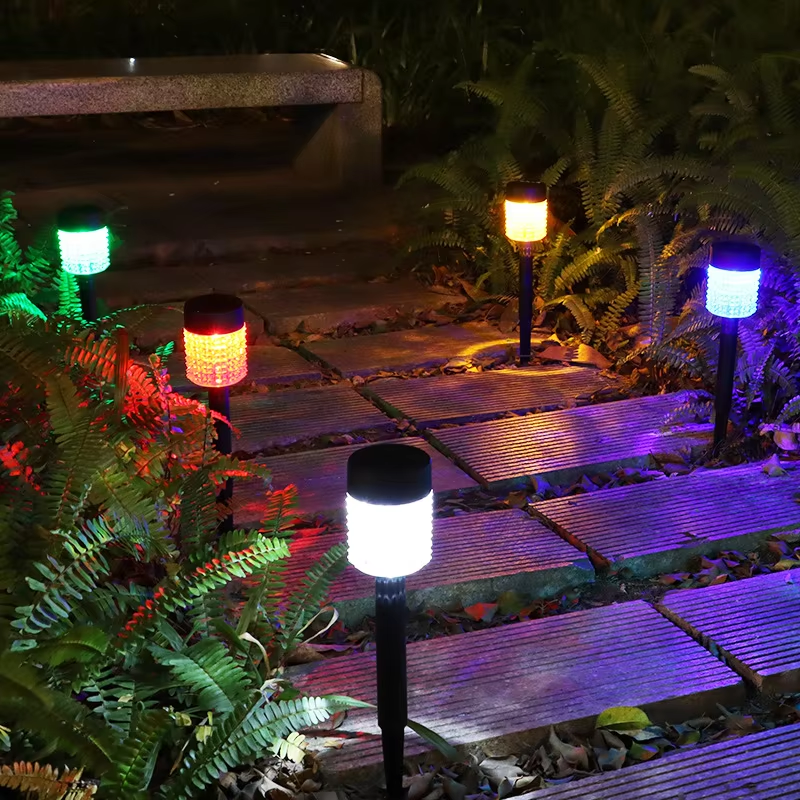
Understanding Modular Design in Solar Garden Stake Lights
What Is Modular Design and How It Applies to Solar Garden Stake Lights
Modular design transforms solar garden stake lights into systems of interchangeable components instead of sealed, single-use units. Each element—solar panel, battery pack, LED module, and stake body—functions independently with standardized connections. This approach delivers three core benefits:
- Focused upgrades: Replace outdated solar panels without discarding working lights
- Granular repairs: Swap failed batteries without replacing entire fixtures
- Custom configurations: Combine high-output LEDs with compact solar collectors
Manufacturers now use universal connectors and open protocols, enabling cross-compatibility across product lines and generations.
Economic Advantages of Modularity vs. Traditional Integrated Designs
Modular solar stake lights reduce lifecycle costs by 30–50% compared to integrated systems:
| Cost Factor | Modular Design | Integrated Design |
|---|---|---|
| Initial Investment | $22–$35 per fixture | $40–$60 per fixture |
| Maintenance Costs | 15% of system value/year | 28% of system value/year |
| Expansion Expenses | Add $15 modules | $55+ for new fixtures |
These savings stem from mass-produced parts and reduced labor needs. Municipal projects see a 72% faster return on investment due to simpler installation and scalable growth.
Reduced Installation and Labor Costs Through Plug-and-Play Modularity
Streamlined Field Deployment with Standardized Components
Pre-engineered connectors and uniform sizing eliminate compatibility issues during installation. With predictable dimensions (typically 12–18" stakes) and color-coded wiring, configuration errors drop by 63% compared to custom-integrated designs (Modular Building Institute 2023). Standardization also enables bulk purchasing of photovoltaic panels and LED arrays, cutting procurement time by 40%.
Lower Skill Requirements and Faster Setup Times
Plug-and-play architecture reduces training time by 55% compared to traditional systems requiring soldering or programming. Installation involves just three steps:
- Anchor pre-assembled stakes
- Connect solar panels via weatherproof snap-lock ports
- Align light modules using magnetic guides
This simplicity allows landscape crews—not electricians—to handle 78% of installations, significantly lowering labor costs.
Case Study: 40% Faster Installation in a Municipal Park Lighting Project
A 2.3-mile pathway retrofit using modular solar stake lights installed 120 units in 18 hours—compared to an estimated 30 hours for conventional systems—achieving:
| Metric | Modular Design | Traditional System |
|---|---|---|
| Units/Hour Installed | 6.7 | 4 |
| Post-Install Fixes | 2% | 11% |
The 40% faster deployment saved $8,200 in labor and avoided weather delays. Later, maintenance teams replaced motion sensors in 23 units without affecting adjacent fixtures, confirming long-term serviceability.
Lower Maintenance and Operational Expenses with Modular Systems
Isolating Failures to Minimize Downtime and Repair Scope
When something goes wrong with modular solar garden stake lights, the problem usually stays within just one part of the system rather than bringing everything to a halt. If an LED module fails, for instance, it won't shut down the whole setup unlike those older integrated designs where a single internal failure would stop everything working. Studies looking at how these outdoor solar lights perform in actual gardens show that this kind of modular approach can reduce downtime anywhere from about 35% up to maybe even 50%. That makes a big difference when people want reliable lighting without constant maintenance headaches.
Easy Component Replacement Without System Overhaul
Standardized, tool-free connectors allow quick replacement of damaged parts like solar panels or batteries. Technicians can swap a module in under 10 minutes—versus hours for troubleshooting traditional fixtures—reducing post-warranty repair labor costs by 70–90%. This efficiency makes modular systems ideal for large-scale applications.
Smart Diagnostics and Predictive Maintenance in Modern Modular Lights
Advanced models feature wireless sensors that monitor battery health and light output. These systems detect early warning signs—such as a 15% voltage drop—and alert users before failures occur. Predictive algorithms extend component life by 20–30%, reducing unscheduled maintenance visits by up to 40% in smart solar lighting networks.
Balancing Durability and Replaceability in Design Strategy
Modules are engineered for both resilience and ease of replacement, featuring IP68-rated enclosures and slide-lock mechanisms. Reinforced polycarbonate housings protect electronics while allowing field repairs without tools, cutting long-term replacement costs by 25% versus non-modular alternatives.
Key Features:
- Failure isolation prevents cascading system failures
- Tool-free component swaps minimize technician time
- Real-time diagnostics enable proactive maintenance
- Weatherproof yet replaceable module designs
Design Impact – Modular architectures reduce lifetime maintenance costs by 40–60% through targeted repairs and upgrade flexibility.
Design Flexibility and Scalability That Improve Cost-Effectiveness
Customizing Layouts for Different Landscapes Using Interchangeable Modules
Modular solar garden stake lights adapt precisely to diverse landscapes via swappable components. Designers can mix:
- Height-adjustable stakes (12"–36") for slopes or tiered gardens
- Interchangeable optics (wide-beam vs. spotlight lenses) based on plant density
- Color-temperature modules (2700K–5000K) to match architectural lighting
This customization avoids the 58% overlighting common in fixed systems (DOE 2023 Solar Pathways Report), minimizing energy waste and material overspending.
Scaling Installations Without Redesign: Add Modules, Not Systems
Expansions happen seamlessly—start with 10 units and add 5-unit clusters as budgets allow. Unlike wired systems requiring circuit recalculations, modular setups maintain functionality when integrating:
- Additional light columns
- Supplementary solar charging stations
- Motion-sensing add-ons
Installation teams report 35% lower linear-foot costs in phased modular projects (2023 Landscape Lighting ROI Study).
Zoning Strategies for Efficient Lighting Coverage with Solar Garden Stake Lights
Strategic zoning with modular components reduces total unit count by 22% on average:
| Zone Type | Module Configuration | Coverage Efficiency |
|---|---|---|
| Pathways | 8W solar + 120° lenses | 18 linear ft/unit |
| Garden Beds | 6W solar + 60° spotlights | 15 sq ft/unit |
| Security Zones | 10W solar + motion + 5000K LEDs | 25 ft radius |
This tiered method ensures precise illumination without overlap, contributing to the 7-year ROI advantage of modular solar stake lights over conventional options.
Long-Term ROI and Energy Savings of Modular Solar Garden Stake Lights
Zero Grid Dependence and Sustained Energy Cost Reduction
By harnessing sunlight through photovoltaic panels, modular solar garden stake lights eliminate grid electricity use. Residential installations save an average of $580/year compared to wired alternatives (2024 Solar ROI Analysis). The absence of trenching and electrical permits slashes upfront costs by 35–50%, making these systems viable even in remote areas.
Average 7-Year ROI Improvement in Modular Solar Installations
Case studies show modular solar lights reach payback 42% faster than integrated designs, typically breaking even within four years. Standardized parts cut decade-long replacement expenses by 60%, while bulk ordering identical modules reduces inventory overhead. Municipalities report 28% higher ROI over ten years thanks to simplified maintenance workflows.
Integration with Energy-Efficient LEDs and Smart Sensors
Today's modular lighting setups combine super efficient LEDs (over 120 lumens per watt) with occupancy sensors that cut down on wasted electricity by around 73% when areas aren't being used much according to research from the Lighting Research Center back in 2023. These systems also feature adaptive brightness settings which can prolong battery life by roughly 40%. Plus there are replaceable sensor components so people can upgrade their tech without tossing out whole light fixtures. The way these designs work makes them pretty economical even after several rounds of updates and improvements.
FAQ
What are the core benefits of modular solar garden stake lights?
Modular solar garden stake lights offer focused upgrades, granular repairs, and custom configurations. This means you can upgrade or repair individual components without replacing the entire system—enhancing flexibility and reducing waste.
How do modular designs reduce maintenance costs?
By isolating failures to one part and allowing for quick replacements, modular designs minimize downtime and repair scope, thus cutting maintenance costs significantly compared to integrated systems.
How do modular solar lights aid energy savings?
These lights eliminate dependency on grid electricity, slashing energy costs. Incorporating smart sensors and efficient LEDs further optimize electricity use, cutting wastage and extending component life.
Table of Contents
- Understanding Modular Design in Solar Garden Stake Lights
- Reduced Installation and Labor Costs Through Plug-and-Play Modularity
- Lower Maintenance and Operational Expenses with Modular Systems
- Design Flexibility and Scalability That Improve Cost-Effectiveness
- Long-Term ROI and Energy Savings of Modular Solar Garden Stake Lights
- FAQ