EN
EN

Why Nighttime Visibility Is Critical for Fall Prevention in Older Adults
Age-Related Vision Changes That Increase Fall Risk After Dusk
The way our eyes change as we get older makes navigating at night much harder. Pupils get smaller over time and the lenses in our eyes start to turn yellow, which cuts down how sensitive they are to light by around 70% when compared to what younger people experience according to CDC data from 2023. What this means is that seeing contrasts between objects becomes tougher, plus judging distances gets complicated too these things matter a lot when trying not to trip over things like steps or bumps in sidewalks. Another problem comes with adapting to darkness after being exposed to bright lights. Older folks just don't adjust as quickly as they used to. Imagine driving home late at night and suddenly coming face to face with blinding headlights from an approaching car it takes ages for vision to clear again, sometimes leaving us confused about where exactly we are. All these issues become even worse once the sun goes down, making places we know well feel dangerously unfamiliar during evening walks.
Statistical Link Between Poor Outdoor Lighting and Senior Falls on Residential Property
Poor outdoor lighting has a real connection to falls in older people. Every year around 14 million seniors end up falling, and over half of those happen when it's getting dark outside according to the National Council on Aging from last year. Houses that don't have good lighting along walkways see about three times as many nighttime falls that need doctors' visits. Where do most of these accidents occur? Usually at tricky spots like where driveways meet sidewalks, near stairs, or at corners between garden paths. The problem is that shadows hide what's actually there on the ground. Looking at all this makes it clear why decent lighting isn't just nice to have for older folks - it's actually essential for keeping them safe as they age.
How Solar Pathway Lights Enhance Nighttime Safety for Aging-in-Place Homeowners
Glare-Free, Consistent Illumination Optimized for Aging Eyes
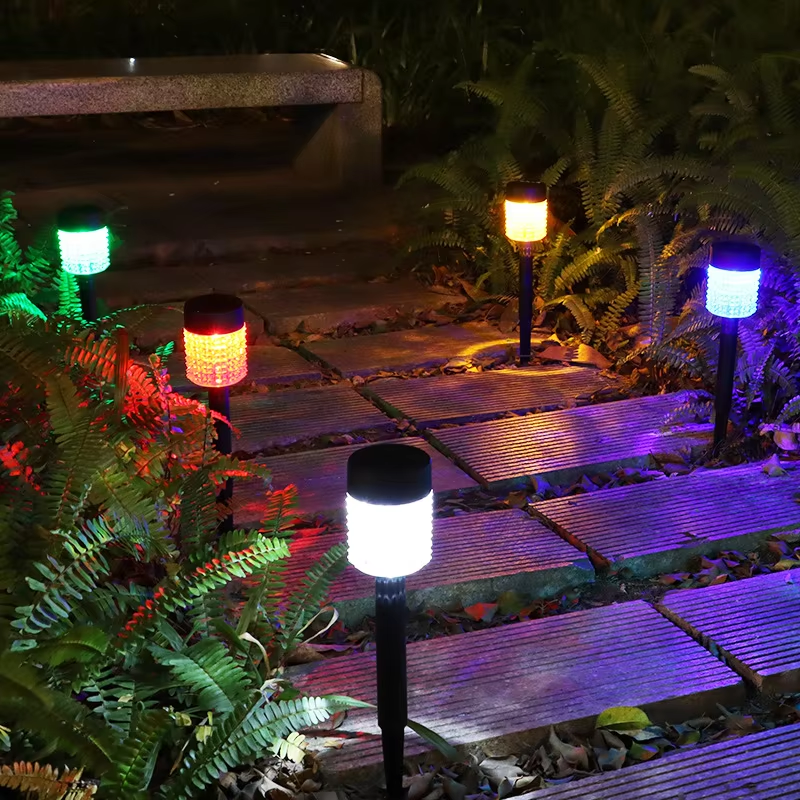
Solar path lights give off an even light that's gentle on older eyes. They're different from those harsh spotlight things that make everything look too bright in some spots and completely dark elsewhere. These lights spread out their glow in a way that doesn't hurt the eyes but still makes it clear where the sidewalk ends and the grass begins. For folks who are getting around on their own, this kind of steady lighting can really help them see trip hazards or steps they might otherwise miss. Plus, since they turn themselves on at night and off during the day, there's no need to remember to flip switches or anything. That's pretty handy for anyone who has trouble moving around easily or just forgets sometimes what time it is.
Strategic Placement at Hazards: Steps, Driveway Edges, and Surface Transitions
Putting lights in spots where people tend to fall makes all the difference when it comes to preventing those nasty slips and trips. Solar lights placed along both sides of stairs can really help seniors who account for about 70% of outdoor falls according to CDC data from 2023. These lights show exactly where each step is and remind folks where the handrails are located. When installing along driveway areas, spacing them roughly 2 to 3 feet apart works best because it creates clear markers for edges, which stops accidental foot drops or trips over unseen obstacles. Lighting across different surfaces matters too. Think about places where pavement meets gravel or grassy patches. The right cross path lighting will pick up on small bumps or dips that would normally escape notice. This kind of strategic lighting helps counteract the natural decline in side vision and trouble judging distances that many older folks experience.
Practical Benefits of Solar Pathway Lights for Low-Maintenance Elderly Safety
Wire-Free Installation and Zero Electrical Upkeep - Ideal for Seniors and Caregivers
Solar path lights don't need any wiring, digging holes, or messing around with electricity, so older folks or their helpers can put them in place without help. Just push the stakes into the soil wherever people walk, which gets rid of those annoying trip wires lying around and cuts down on shock dangers too. These lights save money long term since there's no monthly bill to pay, and really not much upkeep needed besides wiping off dirt from the solar panel now and then. That makes them great for folks on tight budgets. Most newer versions come with lithium ion batteries that should hold out about two to three years before needing replacement. While nothing lasts forever, these lights still offer pretty good value for keeping patios and gardens well lit at night when slips and falls are most likely to happen.
Reliable Performance Across Seasons and During Power Outages
Solar pathway lights of good quality work well even when temps drop to around -20 degrees Fahrenheit or climb up past 120 degrees. They keep going after several cloudy days because their batteries store energy efficiently. These lights turn on automatically at night so people can see where they're walking. The water resistant design means they handle rain, snow, and humid conditions without problems most of the time (usually IP65 rating or better). What makes these lights really valuable is that they still function during power cuts. This matters a lot for seniors who need light to find medicine, move around safely in an emergency situation, or simply walk outside at night without tripping over things. That's why many families consider them an important part of making homes safer for older adults.
Selecting the Right Solar Pathway Lights for Elderly Nighttime Safety
Choosing the best solar pathway lights involves prioritizing features that support senior safety and ease of use. Look for glare-free illumination to accommodate age-related vision changes, as excessive brightness can worsen depth perception. Models with adjustable brightness settings - measured in lumens - allow customization for optimal comfort and visibility.
Wire free stake in models work best since they get rid of those annoying trip hazards and can be placed wherever needed without worrying about cords. Steps, driveway corners, anywhere where surfaces change height are all good spots for these. When shopping around, look for devices rated IP65 or better so they stand up to rain and snow. Battery life matters too. Most people want at least 8 hours of illumination from their lights even if they only got a little sunlight during the day. Some models last longer than others depending on how much charging they received.
For best results:
- Space lights every 6-8 feet to eliminate dark gaps
- Angle fixtures downward to reduce shadows on uneven terrain
- Position them in areas with direct daytime sunlight for full charging
Choose models with integrated lithium batteries lasting 2+ years and scratch-resistant solar panels to minimize maintenance. Together, these features ensure long-term, reliable fall prevention outdoor lighting tailored to aging-in-place needs.
FAQ Section
Why is nighttime visibility crucial for older adults?
Nighttime visibility is crucial because age-related vision changes reduce sensitivity to light and complicate depth perception, increasing the risk of falls.
How do solar pathway lights help in improving safety?
Solar pathway lights provide glare-free, consistent illumination that aids older adults in seeing trip hazards and adjusting more easily to darkness.
Where should solar lights be installed for maximum effectiveness?
Solar lights should be strategically placed at hazards like steps, driveway edges, and transitions between surfaces to prevent slips and trips.
Are solar pathway lights difficult to maintain?
No, they are designed to be low-maintenance, requiring minimal care like occasional cleaning of the solar panels.
Table of Contents
- Why Nighttime Visibility Is Critical for Fall Prevention in Older Adults
- How Solar Pathway Lights Enhance Nighttime Safety for Aging-in-Place Homeowners
- Practical Benefits of Solar Pathway Lights for Low-Maintenance Elderly Safety
- Selecting the Right Solar Pathway Lights for Elderly Nighttime Safety
- FAQ Section