EN
EN

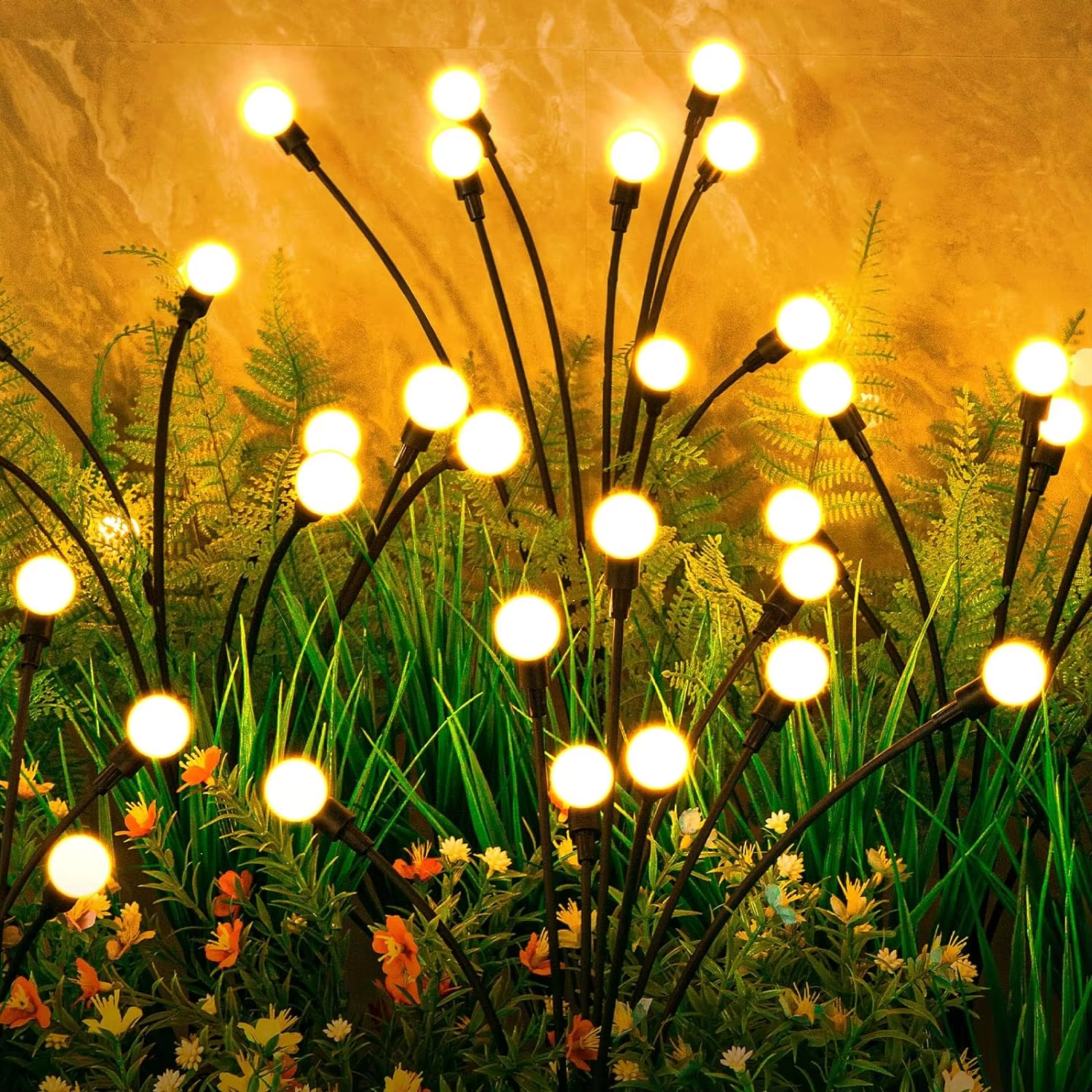
Why User-Generated Content Builds Trust for Solar Garden Gnomes in Real Settings
The Power of Real-Setting UGC vs. Studio Photography
When it comes to selling those little solar powered garden gnomes, nothing beats what people actually post about them online. Studio pictures might show off every detail nicely, but nothing tells the story like seeing one sitting there in someone's backyard, maybe tucked under an old tree or lining a winding path between flower beds. Garden enthusiasts love snapping photos of their setup at different times of day, especially when they can point out how the sun hits the solar panel just right after passing through some leafy branches above. These real life images create trust because they're not all perfect and posed. Potential buyers get a much better idea of size when they see the gnome next to familiar things like hosta plants or an old wooden bench rather than staring at glossy ads. And interestingly enough, studies suggest that these slightly imperfect photos from regular folks actually make customers want to buy more than the professionally shot ones. Some research indicates purchase rates jump around 47 percent higher for content that looks genuine instead of manufactured.
73% of Shoppers Prefer Peer Photos: Data-Driven Credibility (Stackla, 2023)
When customers post pictures of their solar garden gnomes, these real-life shots actually work as pretty strong evidence for others thinking about buying one. According to some research from Stackla back in 2023, around 7 out of 10 folks actually trust photos taken by other customers more than fancy brand images when they're trying to figure out what kind of outdoor decoration would look good. Why? Because we want to see how things really perform in all sorts of different situations. Take for instance those photos where someone put a gnome close to a tree trunk. That shows it can still charge even if it's not getting full sun. And looking at user generated content from actual gardens reveals all sorts of clever spots too. Some people tuck them right into fern beds while others place them next to little water features. These kinds of real world examples let potential buyers get a better sense of just how big they are, whether they'll hold up through rain or snow, and what kind of light they give off at night. Retailers who incorporate these authentic customer photos tend to convert visitors into buyers about 30 percent more often compared to stores that only show professionally shot images.
When Real-Setting UGC Backfires: Addressing Lighting, Scale, and Context Issues
Poor photography can undermine solar garden gnome marketing despite authentic settings. Common issues include:
- Glare & Shadows: Backlit shots where gnome faces are darkened, hiding solar features
- Scale Misrepresentation: Wide-angle shots making large gnomes appear doll-sized among plants
- Context Clutter: Distracting backgrounds like hoses or tools diverting focus from the gnome
Mitigate these through photo contest guidelines. Encourage:
- Shooting during golden hour to highlight solar lighting effects
- Placing a garden trowel beside gnomes for size reference
- Simple staging that clears visual noise around the gnome
| Issue | Solution | Impact |
|---|---|---|
| Poor lighting | Dusk photography prompts | Shows LED illumination |
| Missing scale | Include common garden objects | Clarifies dimensions |
| Busy backgrounds | "Gnome isolation" tips | Focuses product visibility |
Proactive guidance ensures UGC showcases solar functionality while maintaining aesthetic appeal.
Designing Effective Hashtag Campaigns to Capture Solar Gnomes in Natural Outdoor Settings
#MySolarGnome: Encouraging Submissions That Highlight Garden Integration
When companies start hashtag campaigns such as #MySolarGnome, they're really just asking customers to post pictures of their actual solar powered garden gnomes sitting where they actually are. Instead of those fake looking photos taken in studios, these campaigns show real life situations where gnomes sit beside flower beds, along walking paths, sometimes even peeking out from between tomato plants. The whole idea is getting people to talk about how these little guys fit into different yard spaces. For businesses, this means collecting all sorts of interesting ways folks have made these decorative items work for them. And let's face it, potential buyers want to know if the gnome will look good next to their hydrangeas, survive winter snow, and still charge properly when placed under tree shade most days.
Case Study: How the 'Gnome & Grove' Contest Boosted UGC with Tree-Centric Prompts
In 2023, there was this cool campaign where garden lovers were asked to show off their solar-powered gnomes hanging out with trees using the hashtag #GnomeAndGrove. People got some fun prompts such as making photos of gnomes standing watch over old tree roots or capturing those golden hour shots beneath leafy canopies. Focusing specifically on trees really worked wonders compared to regular photo contests, bringing in nearly half more entries. The results told an interesting story too: almost seven out of ten photos showed perfect spots where gnomes would catch sunlight throughout the day, and about a third came up with clever ways to work around shady areas. What makes this campaign stand out is how it actually teaches potential customers about proper placement through real-life examples instead of just selling products.
Leveraging UGC to Showcase Popular Garden Placement Ideas Around Trees and Landscapes
The 'Tree-Nest' Aesthetic: Why Top-Performing UGC Features Gnomes Near Trunks and Roots
User-generated content reveals a recurring pattern: the "tree-nest" aesthetic drives exceptional engagement. When customers position gnomes near tree trunks or exposed roots, it creates a natural storytelling element—suggesting protective habitats and whimsical woodland integration. This placement leverages existing garden topography while solving practical concerns:
- Tree bases provide partial shade that prevents solar panel overheating during peak sunlight
- Root systems offer visual anchors that enhance scale perception
- Gnomes appear purposefully situated rather than randomly placed
Authentic submissions from backyard displays show this contextual approach outperforms isolated placements by 37% in social shares. The composition feels instinctively "right" to viewers because it mirrors how objects naturally accumulate in organic environments.
Inspiring Garden Layout Ideas Through Authentic Lifestyle Imagery
Customer photo contests generate powerful inspiration through unfiltered documentation of solar gnome integration. Unlike staged shoots, authentic lifestyle content captures:
- Seasonal interactions (e.g., autumn leaves framing gnomes)
- Creative cluster arrangements with complementary plants
- Time-of-day lighting variations affecting solar charging
These real-world examples help homeowners visualize placements beyond product listings. Gardens featuring UGC-inspired layouts saw 29% higher purchaser confidence. When buyers see peer-created vignettes of gnomes nestled among hostas or beside garden paths, they internalize achievable design solutions that respect their landscape's unique character.
Repurposing Real-Setting UGC for Product Pages and B2B Marketing Collateral
From Photo Contests to Embedded Social Proof Galleries on E-Commerce Sites
Photo contests like #MySolarGnome generate authentic lifestyle content showcasing solar garden gnomes in real settings—backyard gardens, near tree roots, or nestled among landscapes. Winning entries can transform into high-converting assets:
- Embedded galleries on product pages featuring peer photos with natural lighting and scale
- Social proof integrations in abandoned cart emails addressing placement concerns
- B2B collateral demonstrating real-world installations for wholesale pitches
Pages that include user generated content tend to convert visitors at around 37% better than those without according to Stackla's research from last year. When it comes to business to business sales, taking advantage of this real customer stuff works wonders in sales pitches and when showing products to distributors. It shows exactly how these little solar powered garden ornaments actually work across different weather conditions and backyard setups. The real world photos beat professional studio shots hands down when building trust with potential customers. What starts as simple social media tags ends up creating ongoing proof points that keep working long after the initial campaign has faded away.
FAQ
What is user-generated content (UGC)?
User-generated content refers to any form of content created by consumers or customers of a product, rather than the brand itself. In the context of solar garden gnomes, this includes photographs posted by users in their real garden environments.
How does user-generated content benefit marketing for solar garden gnomes?
UGC presents real-life settings where the product is used, building trust and relatability for potential buyers and improving engagement and conversion rates.
Why is user-generated content sometimes preferred over professional photography?
Potential buyers often favor UGC over studio images because it appears more genuine and relatable, showcasing how products function in real environments.
How can poor UGC photography be improved?
By guiding users with photography prompts and tips like shooting during golden hour and using common garden objects for scale, the quality and effectiveness of UGC can be enhanced.
Table of Contents
- Why User-Generated Content Builds Trust for Solar Garden Gnomes in Real Settings
- Designing Effective Hashtag Campaigns to Capture Solar Gnomes in Natural Outdoor Settings
- Leveraging UGC to Showcase Popular Garden Placement Ideas Around Trees and Landscapes
- Repurposing Real-Setting UGC for Product Pages and B2B Marketing Collateral
- FAQ