EN
EN

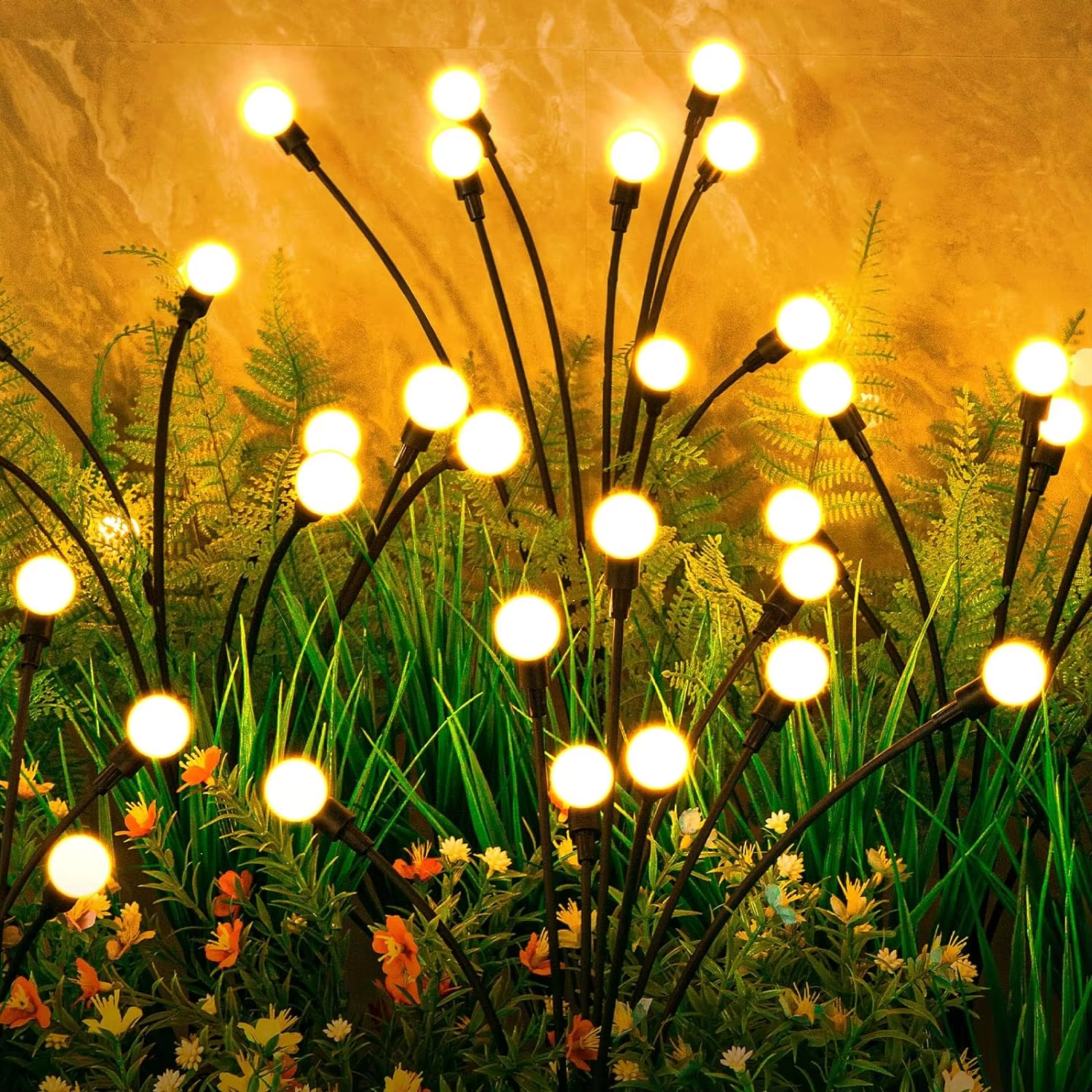
Understanding Light Pollution and the Role of Solar Lawn Lights
The Science Behind Light Pollution and Skyglow
When artificial lights at night spread out across the atmosphere, they create what's called skyglow - that orangey glow we see hanging over cities. Regular old streetlights actually throw away about 30% of all the light they produce because it goes straight up instead of down where people need it (according to the Department of Energy in 2023). And get this, those fancy looking lights towns install just for decoration? They eat up around a quarter of entire city energy budgets according to last year's Urban Lighting Audit. All this wasted illumination means folks living in big cities can only see about 20% of the stars that someone in the countryside would normally spot on a clear night.
How Decorative Lighting Contributes to Urban and Suburban Light Spill
The biggest problem comes from those omnidirectional lights around homes. Path lights and string lights without proper shielding send about 60 to maybe even 80 percent of their light upwards instead of where it's needed. Take a look at suburban areas where all these decorative lights overlap each other. The result? A real mess of glare that makes light pollution in these neighborhoods about 40% worse than what we see in commercial districts according to some research from last year's Light Pollution Study. But there is hope. When placed thoughtfully, solar powered yard lights actually cut down on this wasted light by roughly two thirds because they direct the beam exactly where it should go rather than letting it scatter everywhere.
Environmental and Human Health Impacts of Excessive Nighttime Lighting
- Disrupts nocturnal ecosystems: 70% of moth species show altered navigation near artificial lights (Ecological Society 2023)
- Reduces melatonin production in humans by 50% after 3 hours of exposure (Ponemon 2023)
- Increases risk of sleep disorders by 40% in communities with street-facing decorative lighting (WHO 2024 Report)
Why Solar Lawn Lights Are a Sustainable Alternative for Reducing Light Pollution
Modern solar lawn lights address these challenges through three key innovations:
- Motion-activated operation reduces nightly runtime from 12 hours to an average of 2.5 hours
- 2700Kâ€3000K LEDs minimize blue light emissions linked to ecological disruption
- Adjustable shielding enables 90° beam control versus the 360° spread of AC-powered fixtures
By combining renewable energy with dark-sky compliant design, solar lawn lights achieve an 85% reduction in light pollution metrics compared to traditional landscape lighting (2024 Sustainable Lighting Initiative). Their autonomous operation eliminates grid dependence while maintaining necessary safety illumination.
Full cutoff and shielded fixtures to minimize upward light emission
Full cutoff solar yard lights keep all their light output beneath the horizontal line, so there's no annoying glare shooting upwards into the night sky which causes that pesky skyglow effect we all hate. The best ones come equipped with specially designed shields plus those frosted glass covers that really do a good job containing the light exactly where it needs to go. According to some research from the Lighting Research Center back in 2023, these properly shielded lights cut down on wasted illumination by almost 94 percent when compared against regular old unshielded versions sitting around outside.
Directional shielding and controlled beam angles in solar lawn lights
Advanced models feature adjustable reflectors that focus light downward with beam spreads of 25°‒40°. This directional control prevents light trespass into neighboring properties while ensuring safe pathway illumination. Combined with glare-reducing diffusers, this design supports night vision for both pedestrians and astronomers.
Choosing dark-sky certified or compliant decorative solar lighting
Prioritize fixtures meeting IDA (International Dark-Sky Association) certification standards, which verify:
- Maximum 2700K color temperature
- Zero upward light ratio
- Output under 900 lumens
Third-party testing ensures decorative designs meet ecological requirements without sacrificing aesthetic value.
Material and structural design that reduces glare and light scatter
Anodized aluminum housings and prismatic glass lenses minimize surface reflections that cause light dispersion. Strategic vent placement prevents internal light leakage, while textured mounting bases block ground-level glare. These material choices reduce ecological disruption for nocturnal wildlife while maintaining functional visibility.
Why warmer color temperatures reduce skyglow and ecological disruption
Lawn lights powered by solar energy that emit warmer colors between 2700K and 3000K actually cut down on skyglow because they produce less blue light. Blue light tends to scatter around in the air much more than other colors do. The amber glow from these lights helps protect nighttime wildlife too. Studies show that artificial blue lighting can mess with insects' ability to find their way around and disrupt bird migration patterns by about half when compared with warmer lighting options. Switching to warmer tones makes sense for both our night skies and the creatures that depend on them.
Selecting LEDs with minimal blue spectrum emissions
When choosing solar-powered LEDs, prioritize models with a color rendering index (CRI) below 80 and spectral power distributions peaking below 500 nanometers. These specifications reduce blue light emissions while preserving adequate visibility. Dark-sky compliant fixtures often use monochromatic amber LEDs or phosphor-coated designs to achieve this balance.
Balancing brightness with functionality and aesthetic appeal
For most decorative solar lights around the yard, somewhere between 50 to 200 lumens is plenty to light up paths properly. Going too bright with those over 300 lumens just creates annoying glare that actually makes it harder to see where we're going and spills unwanted light onto neighboring properties. When shopping around, look for options that let us adjust how bright they get. Some better designs actually layer different lighting effects together. They might have a narrow beam angle of about 15 to 30 degrees for specific areas while adding softer background lighting that highlights plants and other garden elements without making everything look like a movie set.
Smart Usage Strategies to Limit Duration and Intensity of Illumination
Using timers and motion sensors to reduce unnecessary lighting runtime
Solar lawn lights with motion-activated operation reduce energy waste by 62% compared to dusk-to-dawn models (Lighting Research Center 2023). Smart systems activate illumination only when movement is detected, preserving battery life and minimizing prolonged glare in low-traffic areas like garden paths or driveway borders—directly addressing light pollution at its source.
Leveraging natural charging cycles of solar lawn lights for automatic dusk-to-dawn control
High-efficiency photovoltaic panels allow modern solar lights to align their operation with actual sunset and sunrise times. Built-in light sensors automatically dim outputs by 30‒50% after midnight in most models, balancing nighttime visibility with ecological preservation without requiring manual adjustments.
Programmable settings and manual overrides for responsible lighting management
Modern solar garden lights come with adjustable brightness levels ranging from 15 to 300 lumens, plus the ability to set different schedules for specific areas using mobile apps. People who tweak their light settings manually actually cut down on power usage by around 18 percent compared to folks who just let the system run automatically, according to a study released last year called Residential Energy Trends Report. Some smart setups mix regular low-light modes with full brightness activated only when movement is detected. This approach cuts light pollution in the night sky but still lets homeowners enjoy brighter lighting during special occasions such as backyard parties or family events after dark.
Sustainable Landscape Integration of Solar-Powered Decorative Lighting
Strategic Placement to Minimize Light Spread and Duration
Solar yard lights that are placed correctly come with those full cutoff shields that point the light straight down instead of letting it escape upwards. These shields cut back on upward glow by somewhere between 70 to 90 percent compared to regular fixtures without them. Putting these lights beneath tree cover or running them along walkways but keeping them away from where properties meet helps stop unwanted light spill over into neighbors yards while still making sure people can see where they're going at night. And if these lights have motion sensors too, they only turn on when someone actually needs them, which means less artificial light pollution messing with animals like owls and moths that rely on natural darkness for their survival.
Combining Eco-Friendly Design with Visual Appeal in Outdoor Spaces
Modern solar decorative lights merge dark-sky compliance with aesthetic versatility through downward-facing LED arrays and textured glass diffusers. Warmer color temperatures (2700Kâ€3000K) support both ecological health and inviting ambiance. Available in sustainable materials like recycled copper or bamboo, today’s designs harmonize with natural landscapes without compromising performance.
Long-Term Environmental Benefits of Adopting Solar Lawn Lights at Scale
If cities start using solar powered garden lights on a large scale, they might save around 740 million dollars each year in electricity bills and slash carbon dioxide emissions by about 1.2 million metric tons according to a report from the US Department of Energy back in 2022. On a smaller scale within neighborhoods, these lights actually help make night skies darker which is great for people who enjoy looking at stars. Plus, insects that need to navigate at night find it easier without all the artificial light pollution messing with their natural instincts. So there are real environmental wins here plus some nice community perks too when switching to this kind of lighting solution.
FAQ
What is light pollution and how does it affect cities?
Light pollution is the excessive or misdirected outdoor lighting that disrupts the natural darkness of night. It results in skyglow over cities, which limits the visibility of stars and affects human and ecological health.
How do solar lawn lights help reduce light pollution?
Solar lawn lights are designed with motion sensors and adjustable shielding that focus light downward, minimizing wasted light and light spill into the night sky.
What are dark-sky compliant designs in solar lights?
Dark-sky compliant designs include features like full cutoff fixtures, directional shielding, and low blue light emission LEDs to reduce skyglow and protect nocturnal wildlife.
How can homeowners use solar lights responsibly?
Homeowners can use motion sensors and timers to limit the duration of illumination, prioritizing solar lights with adjustable brightness settings that prevent unnecessary energy use.
Table of Contents
-
Understanding Light Pollution and the Role of Solar Lawn Lights
- The Science Behind Light Pollution and Skyglow
- How Decorative Lighting Contributes to Urban and Suburban Light Spill
- Environmental and Human Health Impacts of Excessive Nighttime Lighting
- Why Solar Lawn Lights Are a Sustainable Alternative for Reducing Light Pollution
- Full cutoff and shielded fixtures to minimize upward light emission
- Directional shielding and controlled beam angles in solar lawn lights
- Choosing dark-sky certified or compliant decorative solar lighting
- Material and structural design that reduces glare and light scatter
- Why warmer color temperatures reduce skyglow and ecological disruption
- Selecting LEDs with minimal blue spectrum emissions
- Balancing brightness with functionality and aesthetic appeal
- Smart Usage Strategies to Limit Duration and Intensity of Illumination
- Sustainable Landscape Integration of Solar-Powered Decorative Lighting