EN
EN

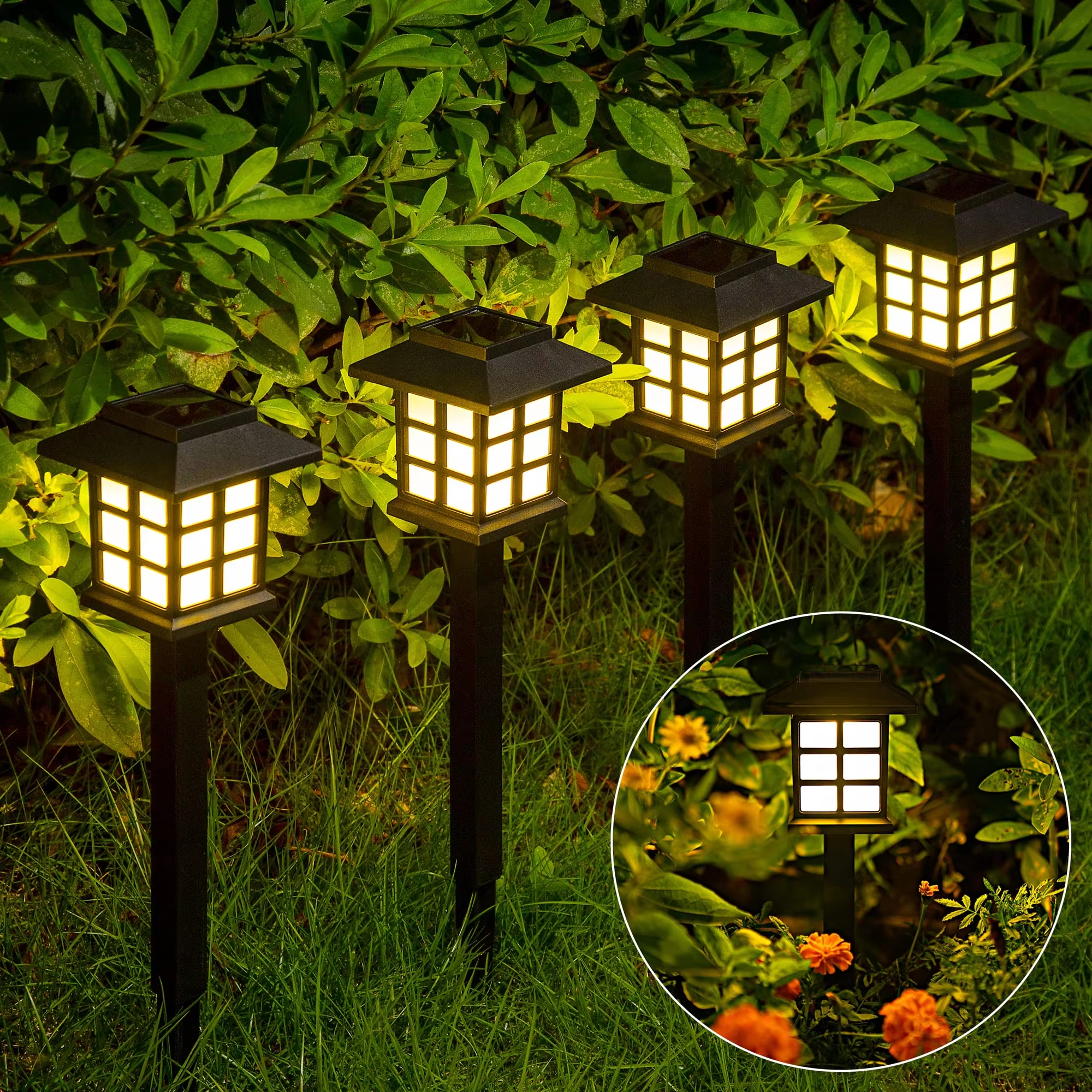
Understanding the Global Regulatory Landscape for Solar Garden Decor
Key Jurisdictional Differences: EU CE/UKCA, US FCC/UL, and APAC Safety Frameworks
Trying to figure out what rules apply to solar garden decorations can be tricky business because different regions have their own frameworks. The European Union insists on CE marking when it comes to electromagnetic compatibility and low voltage safety standards, all while aligning with RoHS and REACH environmental guidelines. After Brexit, the United Kingdom now needs UKCA certification instead, which basically does the same thing as CE marking but through its own system. Things get even more complicated across the pond where American companies must follow FCC Part 15B regulations regarding electromagnetic interference plus UL 588 standards for electrical safety in holiday lights and similar items. The Asia Pacific region throws another curveball altogether. Japan has strict PSE certification requirements, Australia demands RCM markings, and Chinese authorities require CCC certification for various products. According to a recent 2023 study about device compatibility, many products designed according to EU specifications typically require over 35 percent changes before they'll work properly in Asian markets. This happens mainly because safety standards differ so much between places, especially concerning how well devices resist water damage, manage heat buildup, and protect batteries from external factors. All these regulatory differences really affect how long it takes to get products certified, what kind of tests manufacturers need to run, and ultimately shape how companies plan their entry into new markets.
Core Standards Governing Outdoor Solar Lighting: IEC 62471 (Photobiological Safety) and EN 60598-2-11 (Luminaire Specifics)
Two foundational standards govern solar garden lighting safety globally. IEC 62471 sets photobiological safety limits for LED emissions—including blue-light hazard—critical given the extended daylight exposure of outdoor fixtures. EN 60598-2-11 defines luminaire-specific requirements for outdoor use, mandating:
- Minimum IP44 weatherproofing
- Mechanical impact resistance (IK07 or higher)
- Operating temperature ranges from −20°C to +50°C
Enforcement data shows 42% of EU product recalls in 2023 stemmed from failures in EN 60598-2-11’s moisture-sealing provisions—often linked to substandard gasket materials or inadequate housing design. Manufacturers must now embed sustainability obligations—such as Extended Producer Responsibility (EPR)—into early-stage testing and documentation. Harmonizing these standards across jurisdictions reduces redundant certifications by up to 60%, accelerating time-to-market without compromising safety rigor.
Proactive Strategies to Track Global Solar Garden Decor Regulations Updates
AI-Powered Regulatory Intelligence Platforms for Real-Time Compliance Monitoring
More companies are turning to AI driven regulatory intelligence systems to keep track of rules in different regions around the world. These smart tools look through official documents, government publications, and industry standards from over 80 nations. They use advanced text analysis techniques to spot important changes almost immediately after they appear. Think about things like recent tweaks to IEC 62471 safety guidelines or adjustments made to EN 60598-2-11 regarding waterproof ratings. The system then sends out alerts through easy to navigate dashboards, cutting down on the need for people to constantly check regulations manually by roughly two thirds. What makes these platforms really valuable is their ability to connect changing regulations directly with product specs. For instance, if there's a new battery safety rule introduced in Asia Pacific that doesn't match up with how a company designs its lithium cells, the system will highlight this issue right away. When manufacturers integrate these tools into their product development processes, compliance stops being just another box to check during audits and becomes something that actually helps them move faster in competitive markets.
Implementing Dynamic Compliance Management for Market Agility
Case Study: EU Exporter Cuts Certification Delays by 63% with Automated Regulatory Change Alerts
A European company making solar powered garden decorations cut down on certification delays by almost two thirds over just eight months once they started using AI for regulatory monitoring. Before this, their team had been manually tracking regulations in over 40 different markets, which meant there was usually about an 11 week gap between when new rules came out and when they could react internally. After setting up automated alerts connected to their product lifecycle management system, each product's certification process got shorter by around 41 days. That helped them get products to market faster and saved them approximately 740 thousand dollars in possible fines for not following regulations according to a study from Ponemon Institute back in 2023. Their new system checks against constantly changing standards like IEC 62471 safety guidelines, EN 60598-2-11 lighting specs, and all those UKCA requirements during transitions, comparing these directly with current bill of materials and testing results so designers can make changes as needed right away. What used to be seen as just another expense has now become something that actually drives how quickly operations can respond to market demands.
ERP and PLM Integration Best Practices for End-to-End Regulatory Traceability
Integrating Enterprise Resource Planning (ERP) and Product Lifecycle Management (PLM) systems establishes a unified compliance backbone. Key implementation practices include:
- Centralized Material Database: Synchronize component-level compliance data (e.g., RoHS, REACH, Prop 65) across PLM design modules and ERP procurement workflows
- Automated Documentation Gates: Embed compliance checkpoints at critical stages—from prototyping to bulk production—cutting audit preparation time by 50%
- Real-Time Revision Control: Link regulatory intelligence feeds to PLM, triggering automatic updates to technical files when standards like FCC Part 15B or EN 60598-2-11 are revised
- Supply Chain Traceability: Map compliance certificates (e.g., PSE, RCM, CCC) to specific production batches in ERP inventory, enabling instant recall readiness and audit response
Manufacturers using integrated systems achieve 98% faster compliance verification (Global Manufacturing Study, 2024) while maintaining full, auditable traceability across every product lifecycle stage.
Anticipating Next-Gen Requirements: Sustainability, Circularity, and Safety Trends
EPR Schemes (France DEEE, UK EPR) and Their Impact on Solar-Powered Garden Stake Lights
The Extended Producer Responsibility or EPR rules, such as France's DEEE program and similar ones in the UK, are changing how companies handle their solar garden decorations at the end of their life cycle. What these regulations basically do is transfer the burden of managing old products and the costs involved from consumers back to the manufacturers themselves. Solar light makers now need to think about how easy it is to take apart their products, whether materials can be recycled, and if they can track where components came from. Companies that ignore these requirements face real consequences. In France, failing to register products could mean paying fines of up to 15,000 euros each time. The situation isn't much better across the pond either, where businesses must report waste every quarter and get verified by outside experts. Smart companies are already building sustainability into their designs from day one. They're incorporating things like modular solar panels that snap together easily, standard screws that work everywhere, and housing made from single materials rather than mixed plastics. These changes make recycling straightforward and cut down on compliance costs somewhere between 30 and 40 percent. Getting ahead of these EPR requirements helps avoid trouble with regulators, but there's another benefit too it shows genuine commitment to environmental goals that many customers care about these days.
FAQ Section
What is the purpose of CE and UKCA certifications in the UK and EU?
CE and UKCA certifications ensure product compliance with electromagnetic compatibility and low voltage safety standards, following environmental guidelines such as RoHS and REACH.
How do AI-powered platforms help with regulatory compliance?
AI-driven platforms monitor regulations, offering real-time alerts and insights, reducing manual checks, and ensuring products meet compliance standards.
What are the benefits of integrating ERP and PLM systems?
Integration facilitates centralized compliance data management, audit preparation efficiency, automatic technical update files, and comprehensive supply chain traceability.
Why are EPR schemes important for solar garden decor manufacturers?
EPR schemes transfer product lifecycle waste management responsibilities to manufacturers, encouraging sustainable designs that reduce compliance costs.
Table of Contents
- Understanding the Global Regulatory Landscape for Solar Garden Decor
- Proactive Strategies to Track Global Solar Garden Decor Regulations Updates
- Implementing Dynamic Compliance Management for Market Agility
- Anticipating Next-Gen Requirements: Sustainability, Circularity, and Safety Trends
- FAQ Section