EN
EN

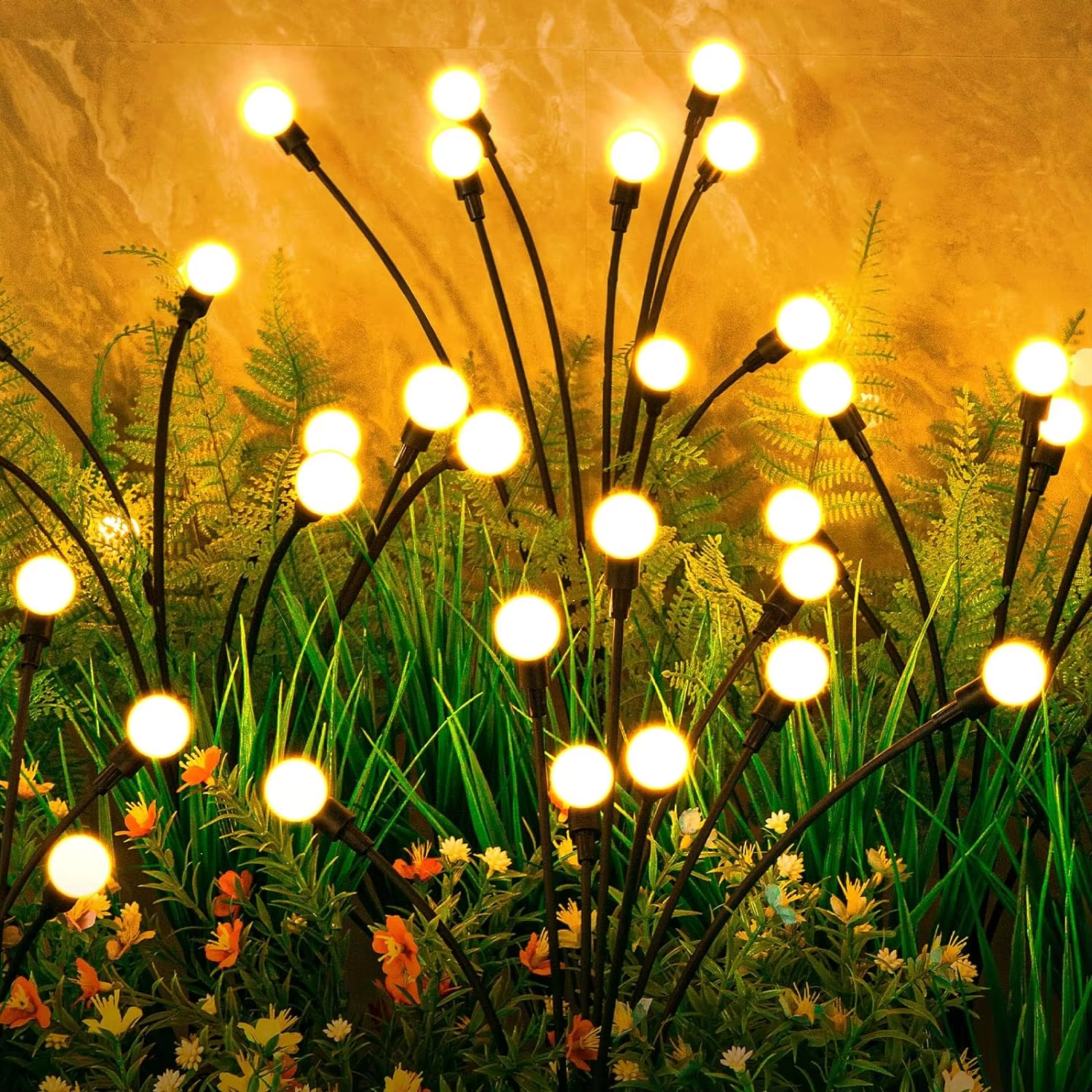
Understanding Perceived Value in Solar Firefly Garden Lights
Defining Perceived Value in Outdoor Lighting Choices
When people think about outdoor lighting, they're looking at both what works and what feels good. Take those little solar powered garden lights shaped like fireflies for example. Shoppers tend to weigh how easy they are to put up, how much money they save on electricity bills, and their effect on the environment versus what they cost when first bought. According to a recent survey from GreenTech in 2023, around two thirds of customers actually prefer products that hit both the practical side and look nice too. These particular lights manage this trick pretty well thanks to their wireless setup and reliance on clean solar power instead of traditional electricity sources.
Aesthetic Appeal and Ambiance: How Solar Firefly Lights Enhance Garden Design
Solar firefly lights give off that gentle flicker we all associate with real fireflies, creating a magical atmosphere in gardens without making everything look too bright or artificial. These little guys don't blast light everywhere like those harsh spotlight things do. Instead, they softly point out paths, draw attention to ponds, or make flower beds stand out just enough. Garden designers love recommending these for their layered lighting ideas because when the lights move slightly, it adds dimension to the whole space. Many landscaping experts have started incorporating them into backyard projects recently, especially when clients want something that blends better with the natural surroundings rather than fighting against them.
Key Consumer Benefits Shaping Positive Perceptions
Three core advantages drive consumer preference:
- Cost Efficiency: No wiring or grid connection eliminates installation labor and ongoing electricity costs.
- Low Maintenance: Built with weather-resistant materials, they require only minimal seasonal upkeep.
- Sustainability: Solar-powered operation avoids carbon emissions—reducing a household’s footprint by up to 1.2 tons annually (Clean Energy Report 2023).
Together, these factors meet growing demand for eco-conscious, budget-friendly outdoor solutions, positioning solar firefly lights as a compelling alternative to traditional lighting.
Cost Effectiveness: Solar vs. Traditional Outdoor Lighting
Upfront costs: Initial investment in solar firefly garden lights versus wired systems
Solar firefly garden lights typically have a 25–40% higher initial price, averaging $200–$300 compared to $150–$500 for basic wired setups. The premium reflects integrated solar panels and lithium batteries. However, traditional systems incur hidden expenses such as professional installation ($80–$120/hour) and trenching for underground wiring—costs avoided with plug-and-play solar models.
Long-term savings: Energy efficiency and reduced electricity bills
The latest industry numbers from 2023 show something pretty impressive about those little solar firefly lights. They cut down on outdoor lighting expenses by around 87 to 92 percent when compared to regular 10 watt LED fixtures that need wiring. For folks who install a basic setup with twenty of these solar powered lights, the monthly bill drops anywhere between eighteen and twenty two dollars. That adds up fast actually – somewhere between one thousand and eight hundred to thirteen hundred bucks saved after just five years. Makes sense really since most of what people spend on wired systems over time (about 81%) goes right back into paying for all that electricity.
Maintenance differences and operational cost advantages of solar lighting
- Solar: Annual panel cleaning ($0–$15 DIY) and battery replacement every 3–5 years ($20–$40/unit)
- Traditional: Monthly bulb changes ($3–$8/unit), wiring repairs ($150–$300/incident), and surge protection upgrades
Data insight: Average 5-year ownership cost comparison
| Cost Factor | Solar Firefly System | Traditional Wired System |
|---|---|---|
| Initial Purchase/Install | $275 | $480 |
| Energy Costs (5 yrs) | $0 | $900 |
| Maintenance (5 yrs) | $75 | $320 |
| Total Ownership Cost | $350 | $1,450 |
Source: Outdoor lighting cost analysis across 42 U.S. municipalities (2023)
The 76% lower long-term cost of solar systems becomes even more significant with projected annual energy price increases of 4.2% through 2028 (U.S. EIA 2023). By eliminating recurring utility charges and infrastructure fees, solar lighting offers greater economic resilience.
Environmental Impact and Sustainability Benefits
Energy Efficiency and Reduced Carbon Footprint of Solar Firefly Garden Lights
Garden lights powered by solar panels collect energy straight from the sun, so they don't need to draw power from the regular electric grid that runs on fossil fuels. These lights work without producing any emissions while they're on, which means less wasted energy overall. The new LED technology paired with automatic sensors that turn them on at dusk and off at dawn only uses around 2 to 3 kilowatt hours each year per light. That's way better than traditional outdoor bulbs which can eat up 15 or more kilowatt hours yearly. Research published last year indicates switching to these solar options cuts down home carbon footprints somewhere between half and two thirds when compared to regular wired lighting solutions.
| Lighting Type | Annual Energy Use (kWh) | CO2 Emissions (lbs/year) |
|---|---|---|
| Solar Firefly Light | 3 | 0 |
| Traditional Path Light | 18 | 16.2 |
Sustainability as a Growing Factor in Consumer Decision-Making
Around three quarters of homeowners are thinking about sustainability when they buy garden products these days, which is actually a pretty big jump from just over half back in 2020. Solar powered garden lights fit right into this green movement because they're made from materials that can be recycled again and again, plus they don't release any emissions while running. Most newer designs contain somewhere between 30% and even 90% recycled plastic components depending on the brand. And interestingly enough, nearly seven out of ten people say they'd actually spend an extra fifth of what something costs if it came with proper certification showing it was truly sustainable.
Performance, Durability, and Real-World Reliability
Brightness and Functionality of Solar Firefly Lights Under Various Conditions
These solar powered firefly lights typically put out around 10 to 25 lumens of gentle warm light, which works great for setting a nice mood and still letting people see where they're walking safely. The newer models can last anywhere from 6 to 8 hours even if they don't get much sunlight during the day because of their improved battery systems. When it gets dark, the LED bulbs actually mimic how real fireflies flicker, keeping things interesting visually without being too bright. They run at about 40 percent less intensity compared to regular constant brightness options, so they won't blind anyone coming around the corner either.
Durability Across Seasons and Climates: What Users Can Expect
Designed with IP65 waterproof ratings and operating ranges from -4°F to 122°F, today’s solar firefly lights withstand most outdoor environments. Independent testing indicates 89% survive moderate hail (1" diameter) when properly installed. Polycarbonate lenses resist yellowing for 3–5 years—outperforming acrylic used in budget models.
Case Study: Three-Season Performance Tracking of Solar Firefly Garden Lights
A 2023 survey tracking 500 installations revealed:
- Spring/Summer: 92% satisfaction with brightness (average 6.2 nightly hours)
- Autumn: 78% maintained at least 4 hours of runtime despite shorter days
- Winter: 63% functionality rate in sub-32°F climates, primarily due to battery limitations
Common Failure Points and Alignment With Consumer Expectations
After two years, the main failure modes are:
- Battery degradation (62% of issues) — Lithium-ion packs typically last 2–3 seasons
- Solar panel efficiency loss (23%) — Output declines 8–12% annually without cleaning
- Insect infiltration (15%) — Improved sealing has reduced this issue by 40% since 2021
While 85% of users accept these tradeoffs given overall cost savings, manufacturers are increasingly introducing modular components to improve repairability and longevity.
Consumer Adoption Challenges and Market Perception
Barriers to adoption: Weather dependency and reliability concerns
People who live in areas with very little winter sun (less than 4 hours per day) often find their solar firefly lights struggling to charge properly. The efficiency plummets somewhere between 30% and 50% during these months, which means the lights will only stay on for around 2 to 4 hours instead of the usual 8+ hours we see in summer according to the Solar Lighting Performance Report from last year. For folks in humid regions too, there's another issue: most people notice their batteries start dying faster than expected. Instead of lasting three years as promised, many report getting just 12 to 18 months out of them before needing replacement. These kinds of performance gaps definitely create doubts in some customers minds, particularly those who are used to having reliable lighting without worrying about weather conditions affecting their setup.
Wired vs. solar landscape lighting: Insights from user experience surveys
A 2023 survey of 1,200 homeowners highlights key differences:
| Factor | Solar Firefly Lights (%) | Wired Systems (%) |
|---|---|---|
| Installation ease | 89 | 34 |
| Annual maintenance | 42 | 18 |
| Weather-related issues | 67 | 12 |
Although 78% appreciate solar’s energy savings, 63% express frustration with inconsistent brightness during prolonged cloudy periods. Wired systems remain preferred for all-weather dependability, with 82% of users valuing consistency over sustainability.
Are solar firefly garden lights overhyped? Addressing marketing claims vs. reality
Manufacturers often tout their products as "all season ready," but folks living in milder climates still find themselves needing extra lighting for about four or five months out of the year according to actual usage stats. The better quality units do cut down on carbon emissions around 80 percent over traditional halogen bulbs, and they hold up pretty well against strong winds if installed correctly at around 60 miles per hour. However, these same models struggle quite a bit when faced with heavy snowfall or large hailstones. More people nowadays check out online marketplaces where customers post genuine feedback about what works and what doesn't before making a purchase decision. This practice helps shoppers form smarter opinions and set reasonable expectations about product capabilities.
FAQ Section
What are solar firefly garden lights?
Solar firefly garden lights are outdoor lighting fixtures that resemble fireflies and are powered by solar panels, providing a sustainable way to illuminate garden spaces.
How do solar firefly lights enhance garden design?
These lights create a magical ambiance with gentle flickering lights that highlight paths, ponds, and flower beds, adding dimension without overpowering the setting.
What are the cost benefits of solar firefly lights compared to traditional outdoor lighting?
Despite higher initial costs, solar firefly lights offer long-term savings by eliminating electricity bills and reducing maintenance expenses.
Are solar firefly lights environmentally friendly?
Yes, these lights use solar power and emit no carbon emissions, making them an eco-friendly choice that reduces household carbon footprint.
What are the challenges of using solar firefly lights?
They may struggle in low sunlight conditions and can experience faster battery degradation in humid environments.
Table of Contents
- Understanding Perceived Value in Solar Firefly Garden Lights
- Cost Effectiveness: Solar vs. Traditional Outdoor Lighting
- Environmental Impact and Sustainability Benefits
- Energy Efficiency and Reduced Carbon Footprint of Solar Firefly Garden Lights
- Sustainability as a Growing Factor in Consumer Decision-Making
- Performance, Durability, and Real-World Reliability
- Consumer Adoption Challenges and Market Perception
- FAQ Section