EN
EN

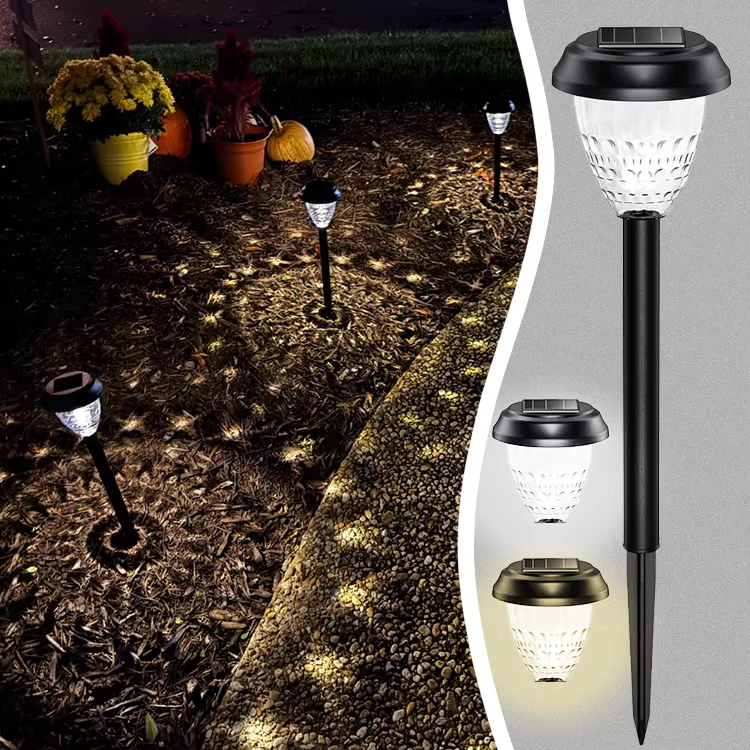
Soft, Warm Lighting: Creating a Peaceful Garden and Cemetery Atmosphere
The soft glow from solar lanterns, around 2000 to 3000K color temperature, feels a lot like candlelight and really helps create peaceful vibes in places like gardens and cemeteries. The warm light doesn't mess with the night sky much and actually makes flowers stand out or highlights memorials without being too bright for the surroundings. A recent landscaping report from last year found something interesting too about this trend. Most people, like 78 percent according to the numbers, seem to gravitate toward those warm lights when they want their outdoor spaces to feel calm and reflective rather than harshly lit up.
Design Variety: Matching Solar Lantern Styles to Landscape and Memorial Aesthetics
Available in diverse designs, solar lanterns can complement any outdoor aesthetic:
- Traditional motifs: Wrought-iron frames with frosted glass panes suit classic garden settings
- Modern minimalism: Sleek geometric metal forms enhance contemporary landscapes
- Memorial-specific designs: Subdued colors and etched bases provide dignified accents for cemetery use
This design flexibility ensures visual harmony with existing architecture and décor, allowing functional lighting to blend seamlessly with decorative elements.
Using Solar Lanterns as Focal Points and Pathway Markers in Outdoor Spaces
Putting solar lanterns in smart spots makes areas safer and looks better too. Research done by the National Lighting Bureau back in 2022 showed something interesting when these lights were placed about six to eight feet apart on pathways. The number of people tripping dropped by almost half, around 42% actually. Some folks prefer putting their lanterns on little stands or hanging them from tree branches. This setup naturally draws attention and helps direct people as they walk through gardens or memorials. It's not just about getting somewhere safely though; it also adds an artistic element to the space without anyone even realizing it most of the time.
Energy Efficiency and Environmental Benefits of Solar-Powered Lighting
How Solar Lanterns Reduce Reliance on Grid Electricity and Lower Carbon Emissions
Solar lanterns come fitted with those little photovoltaic panels we all know and love. They basically soak up sunlight during the day and tuck away the power for when night falls. What makes these devices so great is that they work completely independent from any grid connection, which means no wasted energy sitting around unused and definitely saves money on all those wires running through walls. According to data from the International Energy Agency back in 2024, homes across the world have been jumping on the solar bandwagon at impressive rates too. Since 2020 there's been roughly a quarter jump in people installing residential solar setups, and almost four out of ten of those installations actually involve off grid lighting solutions like our beloved solar lanterns. The fact that these systems gather their own power during daylight hours means absolutely zero need for traditional electricity once darkness sets in, something that not only cuts down monthly bills but also helps protect our planet over time.
Long-Term Sustainability: Eco-Friendly Lighting for Gardens and Memorial Sites
Solar lanterns typically last between 8 to 12 years according to IRENA's 2023 report, which means they create far less trash compared to those single-use batteries we all know too well. Most are built using materials that can actually go back into production cycles, think aluminum frames and polycarbonate parts. Around 90 percent of what goes into making these lights can actually be reused when they finally reach the end of their road. This kind of design thinking really supports the whole circular economy concept without needing to explain it outright. Plus, because they don't break down so easily, solar lanterns work great at memorials and other special places where people want reliable lighting over many years without leaving behind environmental damage. The soft glow just feels right there somehow.
Cost Savings and Financial Advantages of Solar Lanterns
Affordable Upfront Cost Compared to Traditional Wired Outdoor Lighting
Solar lanterns cut down on expensive electrical setup stuff like digging trenches and hiring electricians. The numbers tell the story pretty clearly - basic solar lighting systems usually cost around 60 to 80 percent less than running wires through the ground, according to Renewable Energy Journal from last year. Some really simple models can be picked up for less than fifty bucks these days. What this means in practice is that property owners can light up big areas like sprawling gardens or memorial parks without dealing with all the headaches that come with traditional wiring jobs. No more waiting weeks for permits or paying premium rates for specialized labor.
Zero Electricity Bills: The Economic Benefit of Solar-Powered Operation
Simple Installation and Minimal Maintenance Requirements
No wiring needed: Easy setup in gardens, lawns, and cemetery plots
Solar lanterns make installation super simple really. Just stick them in the dirt, attach to a wall, or set them out along walkways. No need for all the hassle that comes with wired systems which require permits, digging up the ground, and hiring licensed electricians. According to the 2024 Outdoor Lighting Survey, over 78 percent of people actually install these solar lights on their own within about 15 minutes flat. The simplicity factor becomes particularly important at places where we don't want to mess with the ground too much, like cemetery plots for instance. These spots demand minimal disruption to the earth below.
Low maintenance design with durable materials for all-weather performance
Modern solar lanterns are made using tempered glass, aluminum that won't rust, plus plastics treated to resist UV damage. These designs can handle pretty extreme weather conditions, working well even when temps drop to around minus 4 degrees Fahrenheit or climb all the way up to 122 degrees. According to a recent durability test from last year, about 9 out of 10 lanterns still worked perfectly fine after being outside nonstop for five whole years. That's way better than regular garden lights which usually need new bulbs put in somewhere between once a year and every eighteen months or so. The solar panels come sealed tight, and the batteries sit inside watertight compartments too. Together these features keep them safe from rain showers, heavy snowfall, and blazing summer sun, so they keep lighting up gardens reliably throughout all seasons without fail.
Versatile Applications in Residential Gardens and Cemetery Settings
Dual-Purpose Use: Decorative Lighting and Meaningful Memorial Markers
Solar lanterns do more than just look pretty they actually have meaning too. People put them around gardens to make things look nice, but many also use them at memorials as a way to remember someone special. These little lights cast a gentle glow over flowers and walkways, creating a peaceful atmosphere that feels right at home in cemetery grounds as well. A recent study from the Landscape Lighting Institute found that almost seven out of ten people really appreciate outdoor lights that can handle multiple jobs. And guess what? Solar lanterns came out on top when folks needed something beautiful yet appropriate for solemn occasions.
Flexible Placement Options: Stakes, Hanging Mounts, and Wall Fixtures
Their modular design supports various mounting methods:
- Ground stakes allow path lighting without disturbing roots or graves
- Hanging mounts suspend ambient light from trees or pergolas
- Wall fixtures enable permanent placement on structures like sheds, crypts, or columbariums
This adaptability overcomes the limitations of fixed-wiring systems, enabling seasonal repositioning as landscapes evolve or memorials are updated.
Adapting Solar Lanterns for Emotional, Functional, and Seasonal Uses
Families often customize their lanterns with engraved names or seasonal designs like snowflakes during winter or butterflies when spring rolls around. The soft light they emit at night really helps folks see better in gardens and patios, especially during those long summer evenings. Most modern models come equipped with sensors that turn them on automatically at sunset and off again at sunrise all year round. What makes these solar powered lights stand out is how they combine sentimental value with dependable performance. People install them not just because they work well, but also because they become part of family traditions, marking special places where memories are made over time.
FAQ
What are the benefits of solar lanterns in gardens and cemeteries?
Solar lanterns provide soft, warm lighting that enhances the ambiance without disrupting the environment or overpowering memorials. They offer aesthetic flexibility, energy efficiency, and can be used as focal points or pathway markers.
How do solar lanterns work?
Solar lanterns are equipped with photovoltaic panels that absorb sunlight during the day. The energy is stored and used to power the lanterns at night, eliminating the need for grid electricity.
Are solar lanterns easy to install?
Yes, solar lanterns require no wiring and are simple to set up in gardens, lawns, or cemetery plots. Many can be installed without professional help within minutes.
How sustainable are solar lanterns?
Solar lanterns have a long lifespan (8-12 years) and are made using materials that can be recycled, supporting the circular economy. They reduce environmental impact and are highly durable, lasting through various weather conditions.
Table of Contents
- Soft, Warm Lighting: Creating a Peaceful Garden and Cemetery Atmosphere
- Design Variety: Matching Solar Lantern Styles to Landscape and Memorial Aesthetics
- Using Solar Lanterns as Focal Points and Pathway Markers in Outdoor Spaces
- Energy Efficiency and Environmental Benefits of Solar-Powered Lighting
- Cost Savings and Financial Advantages of Solar Lanterns
- Simple Installation and Minimal Maintenance Requirements
- Versatile Applications in Residential Gardens and Cemetery Settings
- FAQ