EN
EN

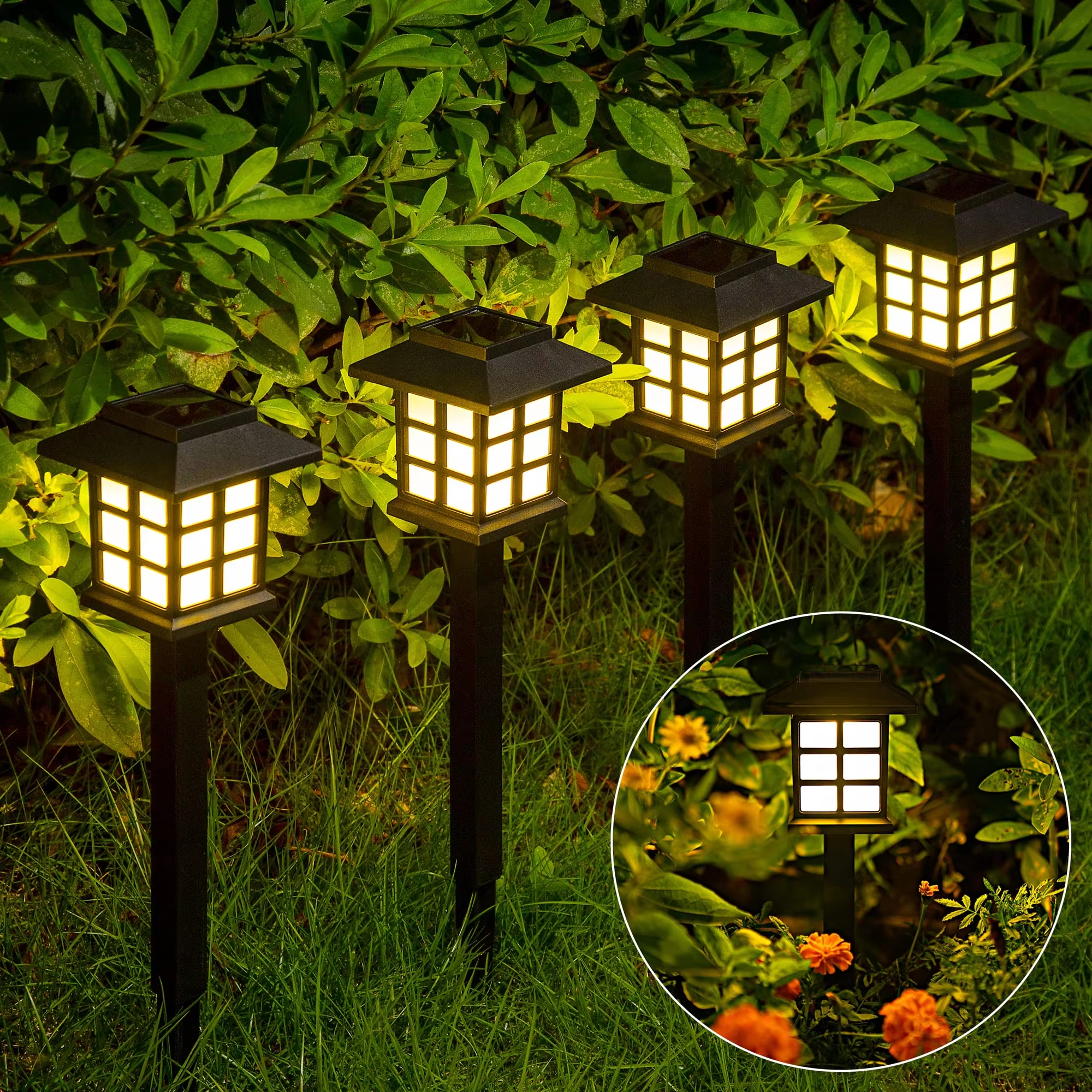
How Lenses Direct and Shape Light Output for Optimal Coverage
The solar lights with crackle glass actually rely on specially designed lenses to direct where the light goes and get better coverage overall. When we look at convex and Fresnel lenses specifically, they manage to channel around 70 to 80 percent of those lumens right where needed. This makes them much more efficient compared to regular uncovered LEDs since there's about 40% less wasted light spilling out everywhere (as reported in the Optical Engineering Journal back in 2023). On the flip side, concave lenses spread the light wider which works great for creating that soft background glow people often want. What these lenses do basically is set the beam angle before it even hits the crackle glass surface. Without this step, the textured nature of the glass would create all sorts of weird shadows. So by controlling things upfront, we end up with lighting patterns that behave predictably instead of being all over the place.
Influence of Lens Design on Illumination Uniformity and Spread
Field tests from 2021 looking at around 200 crackle glass installations showed that asymmetrical lens designs actually boost pathway uniformity by about 32% over regular round optics. The TIR or Total Internal Reflection lenses work wonders for cutting down glare too, bringing it down nearly 55% thanks to those clever side shields they have. This makes all those BUG ratings look much better. What's really impressive is how these new shapes keep lighting levels steady even when the crackle glass starts scattering light everywhere. No more ugly dark patches forming or lights overlapping awkwardly with their neighbors anymore.
Interaction Between Crackle Glass Texture and Lens Optical Performance
When crackle glass interacts with light, there are basically two things happening. First comes the diffusion right at the lens surface where about 15% gets scattered around. Then there's the second stage where light bends again as it moves through all those tiny cracks inside the glass. The good news is hybrid PMMA lenses with those special micro-prismatic coatings can actually bounce back most of what's lost, getting us back to around 92% of the original light intensity. For applications needing more texture, manufacturers often turn to frosted lenses which strike a nice balance between looking good and still letting enough light through. Designers always keep an eye on those lumen per watt numbers while working on optical systems. They need to make sure products look great but still deliver proper illumination levels even though some light inevitably gets lost in the material itself.
Common Lens Types and Their Optical Characteristics in Solar Lighting
Overview of convex, concave, Fresnel, and TIR lenses in solar applications
When it comes to lighting design, convex lenses create those tight beams perfect for highlighting specific areas like walkways or entry points. On the flip side, concave lenses work great when we want to spread light around a space for general illumination. Then there are these cool Fresnel lenses that somehow manage to distribute light over wide areas despite their thin profile thanks to those concentric grooves on their surface. They're becoming pretty popular in small solar powered lights because they fit so well in compact spaces. And let's not forget about TIR lenses either. These babies can reach around 95% efficiency by grabbing those stray light rays and sending them exactly where needed. That kind of performance makes all the difference in dim environments where even the smallest amount of wasted light is just unacceptable.
Matching LED lens geometry to functional lighting needs
Fresnel lenses deliver a 120º beam spread optimal for pathway lighting, whereas TIR lenses offer precise control better suited for security or task-focused installations. In crackle glass fixtures, convex lenses concentrate 70% of lumens within a 15º cone, counteracting texture-induced scattering and maintaining directional clarity.
Light concentration mechanisms across different lens configurations
| Lens Type | Light Concentration | Typical Use Case |
|---|---|---|
| Convex | High | Accent lighting |
| Fresnel | Moderate | Garden illumination |
| TIR | Ultra-High | Task lighting |
Comparing glass, PC, and PMMA lenses for durability and clarity in outdoor use
Poly(methyl methacrylate), commonly known as PMMA, keeps around 92% light transmission even after sitting under UV rays for five whole years. That's way better than polycarbonate, which tends to turn yellow as time goes on. Tempered glass definitely holds up against fogging when humidity gets high, but it comes at a price. The stuff weighs about 40% more than alternatives, something manufacturers need to think about when designing those wall mounted crackle glass installations. Glass will last longer overall, no doubt about that. Still, PMMA gives designers a lighter option while keeping most of the clarity benefits we expect from traditional glass materials.
Material and Optical Properties Impacting Light Transmittance
Refraction and Reflection Dynamics in Lens Materials
Borosilicate glass manages to bend around 93% of the light that passes through it, keeping those beams nice and tight together. This property makes borosilicate especially good at showing off the pretty cracks in decorative glass pieces. The story changes when we look at materials like polycarbonate (PC) or PMMA though. These alternatives just don't refract light as well, which means about 5 to 8 percent more gets reflected back inside instead of passing through. Light also tends to scatter more before ever reaching those interesting textures on the surface. There's hope though! Applying anti-reflective coatings can actually bring back roughly 12% of what would otherwise be lost light output. For many lighting systems, this small recovery makes a noticeable difference in how efficiently they work day after day.
Performance Under Varying Environmental Conditions
Polycarbonate starts to soften when temperatures go over 135 degrees Celsius, which can cause it to deform and change how light beams spread out. Glass, on the other hand, stays solid even at much higher temps, holding steady all the way up to around 500°C. When things get below freezing point, PMMA material tends to become quite brittle. This brittleness leads to tiny cracks forming inside the material, and according to some recent studies from Outdoor Lighting Analysis in 2023, these cracks actually cut down on light consistency by somewhere between 18 and 22 percent. Looking at UV resistance, regular polycarbonate without any protective coating will lose about 15% of its ability to transmit light each year when exposed to sunlight. But materials made with UV stable PMMA are different they keep about 92% of their clear appearance even after being subjected to three thousand hours straight under the sun's rays.
Material Impact on Distribution Efficiency and Brightness
| Material | Initial Transmittance | 5-Year Retention | Crackle Compatibility |
|---|---|---|---|
| Glass | 93% | 91% | High |
| PMMA | 90% | 84% | Medium |
| PC | 88% | 73% | Low |
Glass sustains 92% directional accuracy over ten years, outperforming polymer alternatives. For cost-effective yet reliable performance, PMMA offers near-glass clarity with 30% less weight, making it suitable for most residential and commercial installations.
Real-World Performance: Case Studies of Lens Applications
Field Comparison of PMMA vs. Glass Lenses in Solar Pathway Lighting
A 2023 field study found PMMA transmitted 88% of light compared to 92% for glass, but exhibited 40% fewer breakages under freeze-thaw cycles. PMMA maintained illuminance within ±5% over 18 months, while glass showed gradual efficiency declines in areas with high airborne particulates due to surface abrasion.
Uniformity Gains Using TIR Lenses in Garden-Mounted Crackle Glass Fixtures
TIR lenses improved illumination uniformity by 33%, achieving a 0.82 uniformity metric versus 0.62 with standard convex lenses. Their structured surfaces compensated for crackle-induced scattering, creating overlapping beam patterns that eliminated dark zones between fixtures.
Long-Term Durability of PC Lenses Under High UV Exposure
PC lenses retained 97% of initial transmission after 3,000 hours of accelerated UV testing (ASTM G154), surpassing PMMA by 19 percentage points. However, prolonged exposure at 85% humidity led to haze formation in honeycomb structures, indicating coating degradation and potential microcracking.
These findings highlight the need to balance optical precision with environmental resilience. Designers seeking aesthetic diffusion often pair crackle glass with TIR optics, while municipalities prioritize PMMA for high-traffic areas requiring impact resistance.
Design Strategies for Optimizing Lens Selection in Crackle Glass Fixtures
Tailoring Light Distribution for Pathway Versus Accent Lighting Applications
When it comes to pathway lighting, we typically need those broad beam angles ranging between 120 and 150 degrees to ensure the walkways are properly lit and safe for people moving around at night. On the flip side, when wanting to draw attention to specific architectural features like columns or sculptures, narrower beams between 25 and 40 degrees work much better for creating that dramatic spotlight effect. Now, crackle glass has this amazing property where it spreads out light naturally, which is why many path lights use wider angle convex lenses. These help compensate for any light loss that happens through the textured glass surface. For those accent lighting situations though, Total Internal Reflection (TIR) lenses become really useful. They focus the light vertically downward but still maintain that beautiful broken light pattern across surfaces that makes these installations stand out visually.
Balancing Aesthetic Diffusion from Crackle Glass with Precise Beam Control
The hybrid lens design tackles the tricky balance between artistic lighting effects and actual performance metrics. The outer layer features a Fresnel pattern that channels around 85 percent of available light straight down where it's needed most. Inside, there are these tiny prismatic structures working together with textured surfaces to produce those beautiful sparkles we all love, yet still keeping the overall brightness levels pretty high. What makes this solution stand out is how much better it handles glare issues compared to regular diffusers – roughly 40% improvement according to testing. Plus, colors look great too since the Color Rendering Index stays well above 90, which means objects will appear closer to their true colors under this lighting setup.
Improving Energy Efficiency by Minimizing Light Spill Through Targeted Direction
Asymmetric lenses reduce wasted light by 55% in crackle glass fixtures, directing photons exactly where needed. Angled facets on polycarbonate lenses cut horizontal spill by 78% in garden settings, increasing usable lumens on walkways and extending nightly runtime by 1.2 hours in solar models equipped with 6W LEDs.
Clear vs. Diffused Lenses: Resolving the Decorative vs. Functional Trade-Off
PMMA lenses that are clear can pass along about 92% of the original LED light through crackle glass, though they tend to show off any surface flaws pretty clearly. The frosted versions definitely make things look softer visually, but come with a tradeoff of losing around 30% of that bright light output. For those looking at commercial installations where both looks matter and actual lighting performance counts, dual material lenses work really well. These have clear centers great for focused task lighting while the outer edges get all diffused to create nice ambient effects. They're becoming increasingly popular in office spaces and retail environments where designers want something that looks good without sacrificing useful illumination levels.
FAQ
What are crackle glass solar lights?
Crackle glass solar lights are lights designed with crackled glass to provide a unique texture that interacts with light, producing intriguing light patterns.
How do lenses improve light output in crackle glass solar lights?
Lenses direct the light where it's needed most, enhancing illumination efficiency by reducing wasted light and ensuring even distribution.
What types of lenses are commonly used in solar lighting?
Common types include convex, concave, Fresnel, and TIR lenses. Each has specific characteristics that suit different lighting applications.
How does material choice impact solar light performance?
Material affects light transmittance and durability. Glass, PMMA, and polycarbonate each offer varying levels of clarity and resilience under environmental conditions.
Table of Contents
- How Lenses Direct and Shape Light Output for Optimal Coverage
- Influence of Lens Design on Illumination Uniformity and Spread
- Interaction Between Crackle Glass Texture and Lens Optical Performance
- Common Lens Types and Their Optical Characteristics in Solar Lighting
- Material and Optical Properties Impacting Light Transmittance
- Refraction and Reflection Dynamics in Lens Materials
- Real-World Performance: Case Studies of Lens Applications
-
Design Strategies for Optimizing Lens Selection in Crackle Glass Fixtures
- Tailoring Light Distribution for Pathway Versus Accent Lighting Applications
- Balancing Aesthetic Diffusion from Crackle Glass with Precise Beam Control
- Improving Energy Efficiency by Minimizing Light Spill Through Targeted Direction
- Clear vs. Diffused Lenses: Resolving the Decorative vs. Functional Trade-Off
- FAQ