EN
EN

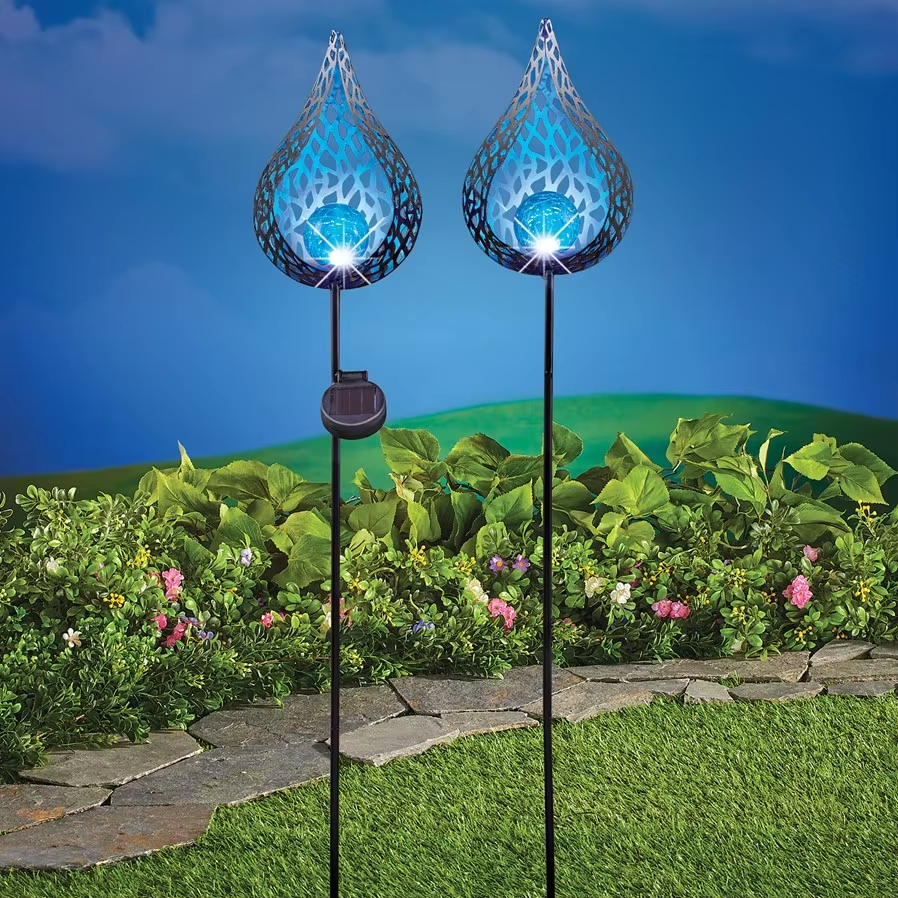
Tariff-Induced Cost Escalation in the Large Lawn Ornament Supply Chain
How import duties increase landed costs for metal and resin-based large lawn ornaments
When import duties get applied, they basically jack up what it costs to bring those big metal and resin yard decorations into the country. The prices go way up because there's this extra fee added right when stuff goes through customs. For example, resin garden gnomes typically hit between 7 and 12 percent tariffs, whereas those heavy cast iron sculptures can run as high as 15%. These charges just pile onto everything else already costing money - materials, workers' pay, shipping costs too. Manufacturers might try swallowing some of these initial hits from tariffs, but when duties stay around long term, prices start moving all over the supply chain. Looking at actual numbers from the industry, we see landed costs jump anywhere from 18 to 30% depending on how the duty system works out. This really squeezes profit space throughout the whole garden decoration business, making life harder for everyone involved in producing these items.
Distribution of tariff burdens: Importers, vendors, and retailers in cost-sharing dynamics
The burden of tariffs gets spread out differently throughout the supply chain thanks to those cost sharing deals companies negotiate. Most importers end up paying somewhere between 40 to 60 percent of these duties before they start renegotiating prices with their vendors to recoup some losses. Retailers usually take on about 20 to 30 percent themselves, which leads them to make changes such as cutting down on product lines or adjusting their promotional strategies. Small vendors don't have much power at the bargaining table so they get hit harder than others. Trade audits from 2023 showed specialty garden ornament suppliers lost an average of 34% in profits because of this situation. As a result, we're seeing more mergers happen in this sector along with groups coming together to find ways to deal with these financial pressures collectively.
Case study: Impact of 25% Section 301 tariffs on Chinese-made cast-aluminum lawn ornaments (2018–2023)
The 25% Section 301 tariffs imposed on Chinese cast-aluminum lawn ornaments between 2018 and 2023 triggered rapid, structural shifts in global sourcing. Initial landed costs jumped 19–22%, compelling importers to:
- Shift 38% of production to Vietnam and Malaysia by 2021
- Reduce ornament weights by 15% to lower dutiable value
- Raise minimum order quantities by 25% to amortize compliance overhead
Despite these adaptations, U.S. consumer prices rose 17% for premium pieces–including flamingos and gazing balls–exposing the fragility of single-country sourcing strategies for outdoor yard art.
Supply Chain Disruptions and Lead Time Volatility in Seasonal Ornament Logistics
Uncertainty around tariffs really messes with supply chains for those big garden statues and decorations. When lead times become unpredictable - basically when materials don't move consistently from when an order is placed until it actually arrives - this puts seasonal availability at risk. The problem isn't just about delays at customs checkpoints either. There are all sorts of knock-on effects too. Suppliers start becoming unreliable, factories struggle to keep their schedules straight, and finding enough space on cargo ships gets harder by the day. Companies dealing with these issues need to think ahead and be ready to pivot quickly. Some are investing more in accurate demand predictions while others are building extra buffer stock into their inventory just to stay ahead of potential shortages.
Mitigation strategies: Pull-forward ordering and inventory buffering amid tariff uncertainty
Importers are getting smarter about dealing with those unpredictable tariffs these days. Many companies have started using what's called pull forward ordering, basically moving their buying schedules ahead by around two to three months so they can secure prices before any new duties kick in. They often pair this approach with building bigger safety stocks too, sometimes increasing them anywhere from a quarter to almost half. This helps smooth out problems when shipments get held up at customs. But there's a catch. According to a recent survey from the Garden Industry Manufacturers Association (their 2023 numbers show this), nearly all manufacturers (like 93%) say their warehouse expenses and cash flow issues went up because they're holding onto inventory longer than usual. Getting this right really depends on good forecasting skills. If businesses end up with too much stuff sitting around, they waste money. But if they don't stock enough, they might miss out on those important selling seasons in spring and summer when customers start shopping again after winter.
Hidden vulnerabilities: Risks from second- and third-tier casting foundries in Indonesia and Vietnam
Moving production closer to Southeast Asia helps dodge those pesky US tariffs on Chinese ornaments, but there's a catch. The problem comes when companies depend on smaller casting shops in Indonesia and Vietnam. Industry reports indicate around one out of every seven resin shipments gets rejected because molds aren't cut right or colors fade too quickly. Even worse, these secondary foundries simply don't have enough space to handle big orders, especially around holiday season. This creates serious delays, sometimes stretching delivery schedules by anywhere from a month to over six weeks. Smart businesses are starting to check their suppliers' suppliers now, doing real on-site visits instead of just paperwork. They spread their orders across several different foundries in the region too. Makes sense really – nobody wants to lose months waiting for that holiday collection because some small factory broke down at the worst possible moment.
Geographic Shifts and Nearshoring Trends in Large Lawn Ornament Manufacturing
Mexico’s growing role as a USMCA-compliant source for painted steel yard art
Since the USMCA came into effect, Mexico has really taken off as a go-to place for making those colorful steel yard decorations we see everywhere these days. Moving production closer to home means getting products to market about 40 percent faster than waiting for stuff shipped all the way from Asia. Plus, there are no pesky Section 301 tariffs hitting finished goods anymore. Most American companies importing garden decor have switched over to buying steel ornaments made in Mexican factories thanks to how the USMCA origin rules work in their favor. The lower shipping costs alone make a big difference, not to mention how much quicker Mexican manufacturers can respond when something needs fixing or changing. And let's face it, Mexico has built up quite a skilled workforce for working with metal over the years. Still, there are ongoing issues with materials sometimes running short and inconsistencies in how coatings turn out on finished pieces. When it comes specifically to those large metal lawn sculptures people love putting in their yards, Mexico currently provides the best mix of avoiding tariffs, fast delivery times, and reasonable prices compared to other options available right now.
Tariff engineering debate: Sustainability of component-level assembly in Mexico
A growing number of manufacturers use tariff engineering–importing semi-finished components from China and completing final assembly in Mexico–to qualify for USMCA’s tariff-free treatment. While this approach leverages rules of origin to bypass 25% duties on finished ornaments, its long-term viability is contested on three grounds:
- Regulatory scrutiny over whether “minimal transformation” (e.g., painting, packaging, or simple bolt-together assembly) satisfies USMCA’s substantial transformation standard
- Rising Mexican wage rates, which erode cost advantages previously assumed in assembly-only models
- Increased carbon intensity from shipping semi-finished goods across continents before final assembly
Critics argue such tactics defer–not resolve–structural supply chain weaknesses. Proponents maintain they provide vital transitional relief while domestic capacity scales, enabling phased investment in end-to-end Mexican manufacturing.
FAQ
How do tariffs affect the cost of lawn ornaments?
Tariffs increase the landed costs of lawn ornaments by adding extra fees when products go through customs. This affects pricing, making products more expensive across the supply chain.
Who bears the most burden from tariff costs?
Importers, vendors, and retailers share the tariff burdens, with importers usually taking on 40 to 60 percent, and retailers about 20 to 30 percent. Small vendors often suffer more due to less bargaining power.
How have companies adapted to Section 301 tariffs on Chinese-made ornaments?
Companies have shifted production to countries like Vietnam and Malaysia, reduced ornament weights, and increased order quantities to mitigate the impact of tariffs.
Why is Mexico becoming a popular manufacturing hub for lawn ornaments?
Mexico offers faster delivery times, no Section 301 tariffs on finished goods, and skilled workforce advantages due to USMCA compliance, making it an attractive option for manufacturers.
What are the risks associated with smaller casting foundries in Southeast Asia?
Smaller foundries often face issues like inadequate space, leading to delivery delays and quality concerns such as incorrect mold cutting and color fading.
Table of Contents
- Tariff-Induced Cost Escalation in the Large Lawn Ornament Supply Chain
- Supply Chain Disruptions and Lead Time Volatility in Seasonal Ornament Logistics
- Geographic Shifts and Nearshoring Trends in Large Lawn Ornament Manufacturing
-
FAQ
- How do tariffs affect the cost of lawn ornaments?
- Who bears the most burden from tariff costs?
- How have companies adapted to Section 301 tariffs on Chinese-made ornaments?
- Why is Mexico becoming a popular manufacturing hub for lawn ornaments?
- What are the risks associated with smaller casting foundries in Southeast Asia?