EN
EN

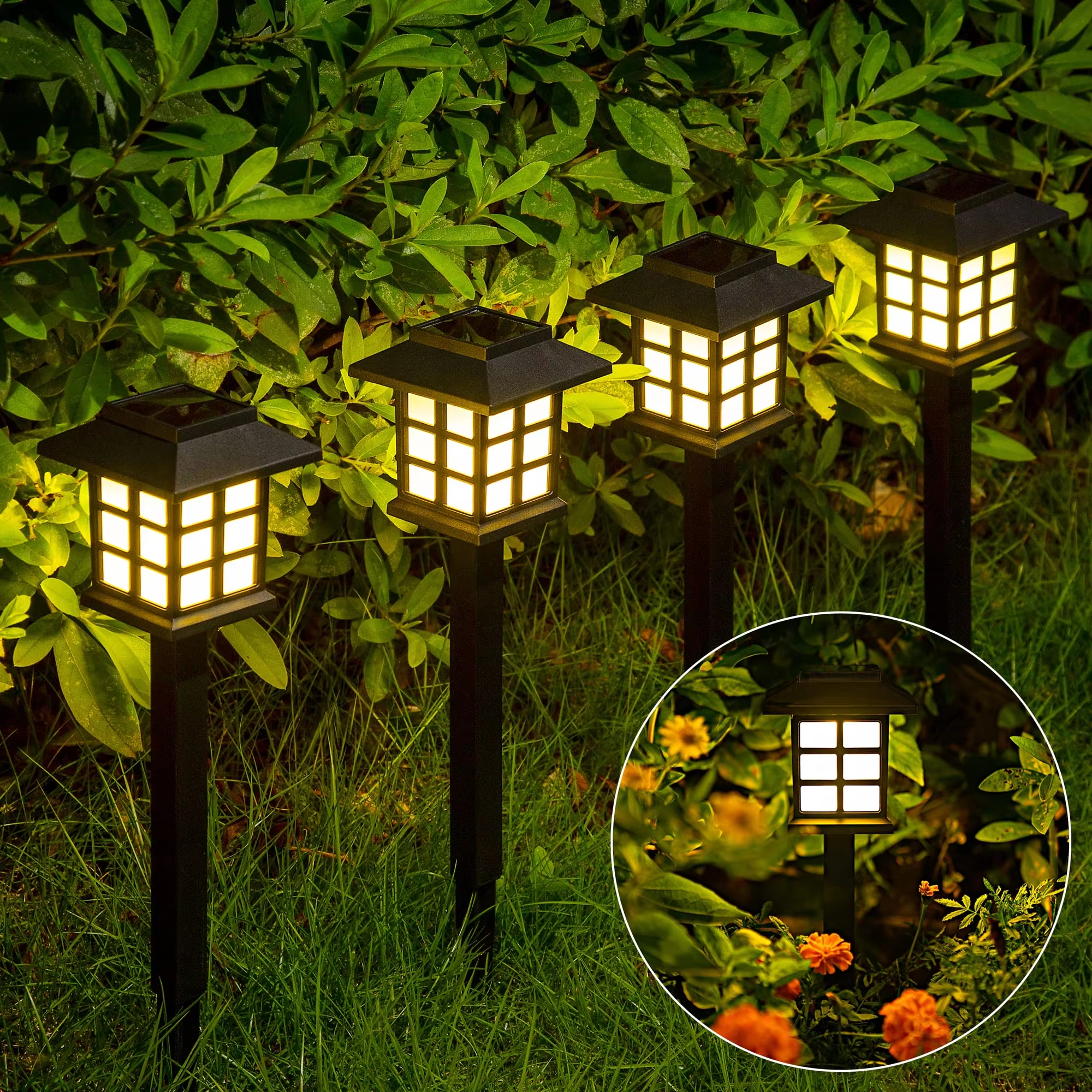
How Voice Assistant Compatibility Works in Smart Solar Patio Lamps
Core Connectivity Protocols: Wi-Fi, Bluetooth, and Matter-Enabled Zigbee
When it comes to smart solar patio lamps, there are basically three main protocols that work together with voice assistants, each trying to find the sweet spot between saving power, covering distance, and responding quickly. Wi-Fi lets these lamps talk directly to the cloud, which is great for connectivity but eats up a lot of battery power. That's a real problem for devices that depend entirely on solar charging. Bluetooth takes a different approach with its low power consumption and short range, making it perfect for small patios where people want something up and running fast. Then there's Matter-enabled Zigbee using Thread radio technology. This creates these amazing self-healing mesh networks that actually expand coverage area while keeping power usage down. The cool part? Lamps can pass along commands from one device to another, cutting down on individual energy needs by about 40% when compared to Wi-Fi solutions. Most designers who care about solar optimization will go with Zigbee and Bluetooth combinations so their products stay functional even when sunlight is scarce, all while still being ready to respond to voice commands whenever needed.
| Protocol | Power Use | Range | Solar Benefit |
|---|---|---|---|
| Wi-Fi | High | 100+ ft | Direct cloud access |
| Bluetooth | Low | 30 ft | Minimal setup energy |
| Zigbee (Matter) | Very Low | 200+ ft* | Mesh efficiency, low latency |
The Role of Cloud Bridges and Local Processing in Low-Latency Voice Control
Non Wi Fi lamps like Zigbee or Bluetooth versions can actually work with voice assistants thanks to cloud bridges that send commands through hubs such as Amazon Echo Hub or Google Nest Hub. The downside is there's usually around 200 to 500 milliseconds delay, but at least it takes some processing load off the solar powered hardware which has limited resources. Better systems now have what's called local edge processing either in the hub itself or even built into the lamp, which gets response times down below 100 milliseconds and saves about 30 percent on energy usage. What makes this really important is that when the internet goes down, these local processing systems still keep the basic voice functions working including things like detecting wake words and handling simple commands. That matters a lot for outdoor lights exposed to weather changes. Most solar models come with special power management features too, making sure the voice circuits stay active even when light levels drop, so people can still control their lights without running out of battery power.
Optimizing Solar Efficiency Without Sacrificing Voice Assistant Performance
Balancing solar power harvesting with reliable voice control demands intelligent energy orchestration. Solar patio lamps must remain perpetually ready for voice activation while intelligently conserving battery during extended low-light periods.
Battery Management Strategies for Consistent Wake-on-Voice Functionality
The latest battery management systems for smart devices work pretty cleverly when it comes to managing power. They send electricity where it matters most first - things like microphone setups, radio connections, and those tiny circuits that keep the device awake. This means commands like "Hey Google" or "Alexa" get responded to almost instantly, usually within a second or two. When there are days of constant cloud cover, these systems actually change how they release power to keep important stuff running. Non essential features get turned off one by one, so things like changing LED colors or adjusting brightness based on movement don't drain the battery anymore. Smart manufacturers claim this approach gives their products around 40% more runtime compared to regular solar powered lights. And according to research published last year from the folks at Rensselaer Polytechnic Institute's Lighting Research Center, these systems maintain about 99% accuracy in responding to voice commands even under tough conditions.
Firmware Updates and Adaptive Power Modes for All-Weather Responsiveness
Over-the-air firmware updates refine energy use based on real-world variables—seasonal sunlight patterns, local weather forecasts, and household usage history. Three-tiered adaptive power modes activate automatically:
- Performance Mode: Full microphone sensitivity and instant voice response during peak evening usage
- Eco Mode: Slightly reduced mic sensitivity and delayed wake response during predicted low-activity windows (e.g., overnight or midday)
- Storm Watch: Ultra-low-power state preserving only wake-word detection and basic on/off functions during heavy rain or extended cloud cover
These algorithms reduce phantom power drain by 57%, according to internal testing across five leading solar lighting brands. Over time, machine learning adapts brightness thresholds and voice activation sensitivity to match user routines—no manual configuration required.
Real-World Smart Home Ecosystem Integration: Alexa, Google Assistant, and Siri Support
Alexa & Google Assistant: Native Integration Pathways for Voice-Controlled Solar Patio Lamps
A lot of solar powered patio lights these days work right out of the box with both Amazon Alexa and Google Assistant using either Wi-Fi or Bluetooth connections, so there's no need for extra hardware boxes sitting around. All someone needs to do is plug them into their Alexa or Google Home app, then they can start giving commands like asking Alexa to lower the brightness on those patio lights or telling Google to switch on the path lights along the garden. The fact that these systems connect so well means people can create nice lighting scenes too, like getting everything lit up automatically as soon as the sun goes down because that's exactly when the solar panels stop producing power. Looking at numbers from the 2024 Statista report, we see that together Alexa and Google Assistant run about 90% of all smart homes out there. So having products that work with these assistants basically guarantees most folks will be able to use voice controlled outdoor lighting without any trouble.
Siri and HomeKit Limitations — Why Most Solar-Powered Lamps Rely on Third-Party Bridges
Most solar patio lamps still don't work directly with Siri or HomeKit because Apple requires certain hardware components that just don't fit well with solar products. The company wants things like secure enclaves and special crypto processors built in, but these extra parts take up space, eat up power, and drive up costs for something meant to run off sunlight. Less than one out of every six models actually passes Apple's HomeKit tests. So what do manufacturers do? They turn to third party solutions instead. Products like Home Assistant paired with Zigbee2MQTT or the Nanoleaf Essentials Bridge help convert those HomeKit signals into something the lamps can understand. But there's a catch. These middlemen devices create delays in response time, become vulnerable if they fail, and need constant electricity to keep running. That defeats part of the whole point of solar lighting which is supposed to be efficient and withstand whatever weather comes its way. People who want voice control through Siri usually end up picking between how fast their lights respond, how long the batteries last, or whether the system will hold up over years of outdoor exposure.
Practical Setup and Troubleshooting for Voice-Controlled Smart Solar Patio Lamps
Start setting things up by finding spots that get about 6 to 8 hours of direct sunlight each day without anything blocking it. Also make sure these spots are close enough to work with either the Wi-Fi router if you have Wi-Fi models or the main hub for Zigbee/Bluetooth devices. Take out old bulbs and put in smart solar lamps that will actually work together. If possible, install smart switches wherever the electrical wiring allows. Need help with older systems? A qualified electrician would know what needs doing there. Most manufacturers provide apps to get all the devices connected properly. Once everything's on board, follow the prompts inside the app to connect with Amazon Alexa or Google Assistant. Apple HomeKit and Siri users usually need some extra hardware called bridges, which should stay plugged into regular wall outlets so they don't drain power from the solar setup. Organizing the lights makes life easier later on. Create groups like patio, deck area, garden path etc., so when someone says something like turn off all the backyard lights, it actually works as intended.
Troubleshooting starts with basics first. Check if those solar panels are clean enough, look at the battery level through the app, and make sure the lamp points towards actual south direction if we're talking about locations north of the equator. Want to reset Wi-Fi? Better do it when sun is strongest so there's plenty of juice left after reconnecting everything. Don't forget to turn on those automatic software updates too. They keep the voice commands working all year round, which matters a lot since changing seasons mess with how long things stay charged and how sensitive the device gets to hearing its activation word.
FAQ
How do smart solar patio lamps connect with voice assistants?
Smart solar patio lamps connect with voice assistants through protocols like Wi-Fi, Bluetooth, and Matter-enabled Zigbee. Non Wi-Fi versions rely on cloud bridges and local processing to facilitate connectivity.
What are the battery management strategies for smart solar lamps?
Battery management strategies prioritize essential functions like microphone setups and radio connections. Non-essential features are turned off to extend runtime, especially during cloudy days.
Can smart solar patio lamps integrate with Alexa and Google Assistant?
Yes, most smart solar patio lamps can seamlessly integrate with Alexa and Google Assistant using Wi-Fi or Bluetooth connections, allowing for voice control without additional hardware.
Why do most solar-powered lamps rely on third-party bridges for Siri support?
Most solar-powered lamps use third-party bridges for Siri support due to Apple's specific hardware requirements like secure enclaves, which are challenging and costly to integrate into solar products.
How can I troubleshoot connectivity issues with smart solar patio lamps?
Start by ensuring solar panels are clean, checking the battery level, and verifying directional positioning. Perform connectivity resets during peak sunlight hours and enable automatic software updates for optimal performance.
Table of Contents
- Optimizing Solar Efficiency Without Sacrificing Voice Assistant Performance
- Real-World Smart Home Ecosystem Integration: Alexa, Google Assistant, and Siri Support
- Practical Setup and Troubleshooting for Voice-Controlled Smart Solar Patio Lamps
-
FAQ
- How do smart solar patio lamps connect with voice assistants?
- What are the battery management strategies for smart solar lamps?
- Can smart solar patio lamps integrate with Alexa and Google Assistant?
- Why do most solar-powered lamps rely on third-party bridges for Siri support?
- How can I troubleshoot connectivity issues with smart solar patio lamps?