EN
EN

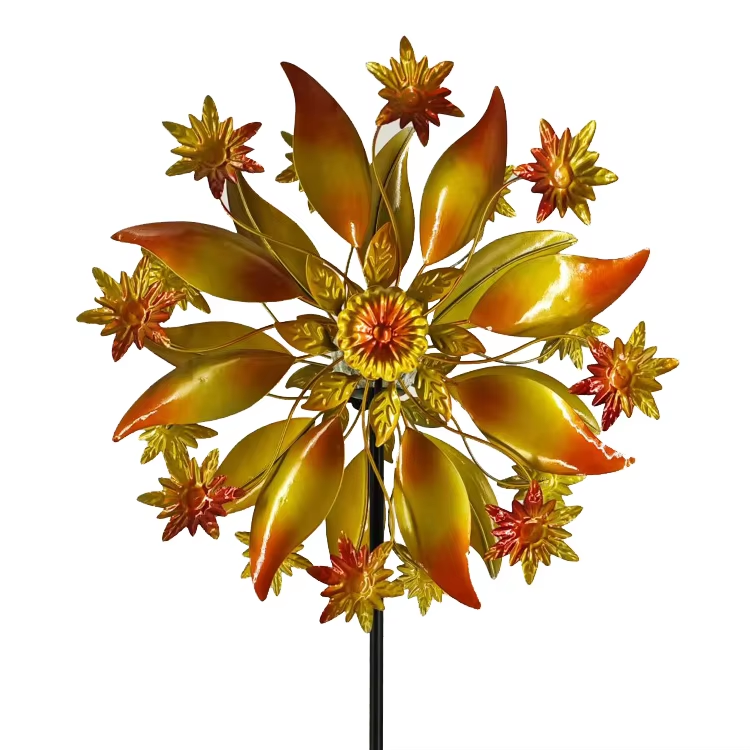
Engineering and Manufacturing Complexity Driving Lead Time Delays
CNC Machining Constraints in Ornamental Metal Windmill Designs
When dealing with complex shapes like scrollwork blades or those fancy textured finials, manufacturers need to turn to multi-axis CNC machining. This process requires slower spindle speeds, special tools, and constant calibration just to maintain that tight ±0.005 inch tolerance. What does all this mean? Cycle times get extended anywhere from 30% to almost half again compared to regular parts. And things get even trickier when working with softer materials such as copper or brass. Without proper adaptive feed rates, there's real risk of tool deflection causing dimensional errors that can ruin the whole piece. For small batch custom work especially, setting up these machines takes way more time and effort than expected. This makes achieving precise results one of the main reasons behind those frustrating lead time delays we often see in ornamental windmill component production.
Design for Manufacture (DFM) Gaps Causing Iterative Rework Cycles
When designers skip proper DFM planning for custom windmills, they end up spending extra money fixing problems right at the start of production. Windmill designs that have those pesky internal sharp corners, weirdly deep holes, or just plain bad tolerance settings often need multiple rounds of prototypes. Each round takes around a week or so longer than planned. According to research from the Ponemon Institute last year, manufacturers who don't coordinate their DFM work properly end up paying an extra seven hundred forty thousand dollars each year on average. Some common issues? Parts that won't fit together because decorative elements block welding spots, or materials chosen for looks that can't handle actual stresses when the windmill starts spinning. The smart approach is to get everyone involved in DFM discussions early on while the design is still on paper. This means making sure what looks good also works mechanically before anyone starts cutting metal. Doing this upfront saves time and money down the road, and helps set more accurate delivery schedules from day one.
Supply Chain Disruptions Specific to Custom Metal Windmill Parts
Alloy-Specific Sourcing Bottlenecks for Decorative Components
The parts used in ornamental windmills usually need special alloys like weatherproof brass, copper-nickel mixes, or coppers that develop nice patinas. These materials take anywhere from 4 to 6 weeks longer to get than regular steel because they're produced in smaller batches at mills. According to the 2023 Fabrication Materials Survey, nearly two thirds of custom makers report running into delays simply because these specialty alloys aren't available when needed. Trade policies around the world make things even harder to obtain. Last year alone, import tariffs drove up the cost of these specialty metals by almost a quarter. Cutting corners on material quality can ruin both how something looks and works properly. Some companies try stockpiling materials as a solution, but this only works if they have good suppliers to work with consistently. For anyone serious about getting their hands on decorative grade metals, establishing direct connections with those small batch foundries is still absolutely necessary for keeping production going smoothly.
Limited Supplier Capacity for Low-Volume, High-Variability Yard Art Materials
Metal processors tend to focus on big volume work like cars and buildings rather than those little batches of yard art most people want. Finding good materials for things like garden wind spinners gets tricky too. Powder coated aluminum or brushed stainless steel? Good luck getting those without waiting at least a month sometimes. According to some industry numbers from last year, around half of all machine shops just say no to anything below 500 pieces. This creates real problems when everyone wants their new garden decor installed right before spring starts. Switching back and forth between completely different jobs puts extra pressure on shop schedules. One way to handle this mess is working with smaller fabricators that specialize in handling these lower quantity orders. These guys keep space open in their calendars specifically for custom metalwork projects and have systems set up to deal with the weird shapes and finishes artists typically request.
Operational Inefficiencies in Job Shop Production Environments
Scheduling Conflicts Between Prototypes and Batch Production Runs
For many job shops, trying to juggle prototype validation alongside regular batch production becomes a real headache, particularly since they often share the same CNC milling and turning equipment. When shop managers have to stop important batch runs just to test prototypes, it typically pushes back completion dates by around 20 to 30 percent. The problem gets even worse in small volume metal fabrication shops. Every time operators switch between different jobs, they spend hours recalibrating machines, which eats into productivity. Most shops don't have separate areas specifically for prototyping work or set aside specific times for development tasks. As a result, manufacturers end up falling behind on their most profitable orders and clients start questioning whether those promised delivery dates were realistic in the first place.
Custom Tooling and Changeover Delays in Garden Wind Spinner Manufacturing
The ornate parts of windmills including blades, finials, and base components usually need special jigs, fixtures, and unique cutting paths for each design. Setup alone can take anywhere from 15 to 40 hours depending on how different the new design is from previous ones. When it comes time to switch between projects, entire sections of the workshop come to a standstill, which creates these frustrating bottleneck situations throughout the factory floor. Things get even worse when working with unusual metal alloys that don't behave like standard materials, forcing machinists to constantly adjust their cutting speeds, feed rates, and cooling methods. Industry data shows that modular tooling setups designed to handle similar types of parts together can cut down on this wasted time by as much as half. Many shops have found these flexible systems allow them to produce more pieces in less time while still maintaining the fine details needed for quality decorative metalwork.
Strategic Mitigation Approaches for Reducing Lead Times
To reduce lead times for custom metal windmill parts, manufacturers should adopt four integrated strategies:
- Supplier diversification: Engage multiple pre-vetted vendors for decorative alloys—not just primary sources—to mitigate single-point failure risk.
- Safety stock optimization: Maintain targeted inventory buffers for high-risk, long-lead materials (e.g., weather-resistant brass), calibrated using historical demand and supplier reliability data—not blanket overstocking.
- Production process redesign: Standardize fixtures, sequence scheduling to separate prototype development from batch runs, and allocate dedicated capacity for low-volume artistic work.
- Predictive analytics integration: Deploy real-time CNC monitoring tools to flag emerging constraints—tool wear, thermal drift, or program errors—enabling intervention before delays escalate.
Together, these approaches strengthen resilience across engineering, supply chain, and shop-floor operations—preserving both functional integrity and aesthetic fidelity in ornamental metal windmill manufacturing.
FAQ Section
What is CNC machining and why is it important for ornamental metal windmills?
CNC machining stands for Computer Numerical Control machining. It's vital for crafting precise ornamental metal windmill components because it allows for intricate details and tight tolerances which are crucial for both aesthetics and functionality.
How can design for manufacture (DFM) impact windmill production?
Proper DFM ensures that the designs are feasible for production, reducing costly and time-consuming rework. It helps identify potential issues early, ensuring that the windmills are both beautiful and durable.
Why is supplier diversification important in windmill manufacturing?
Diversification reduces the risk of supply chain disruptions due to reliance on a single source. It ensures consistent access to necessary materials, particularly special alloys for decorative components.
What are some common materials used in ornamental windmills?
Common materials include weatherproof brass, copper-nickel mixes, and patina-developing coppers, which are selected for their aesthetic appeal and durability.