EN
EN

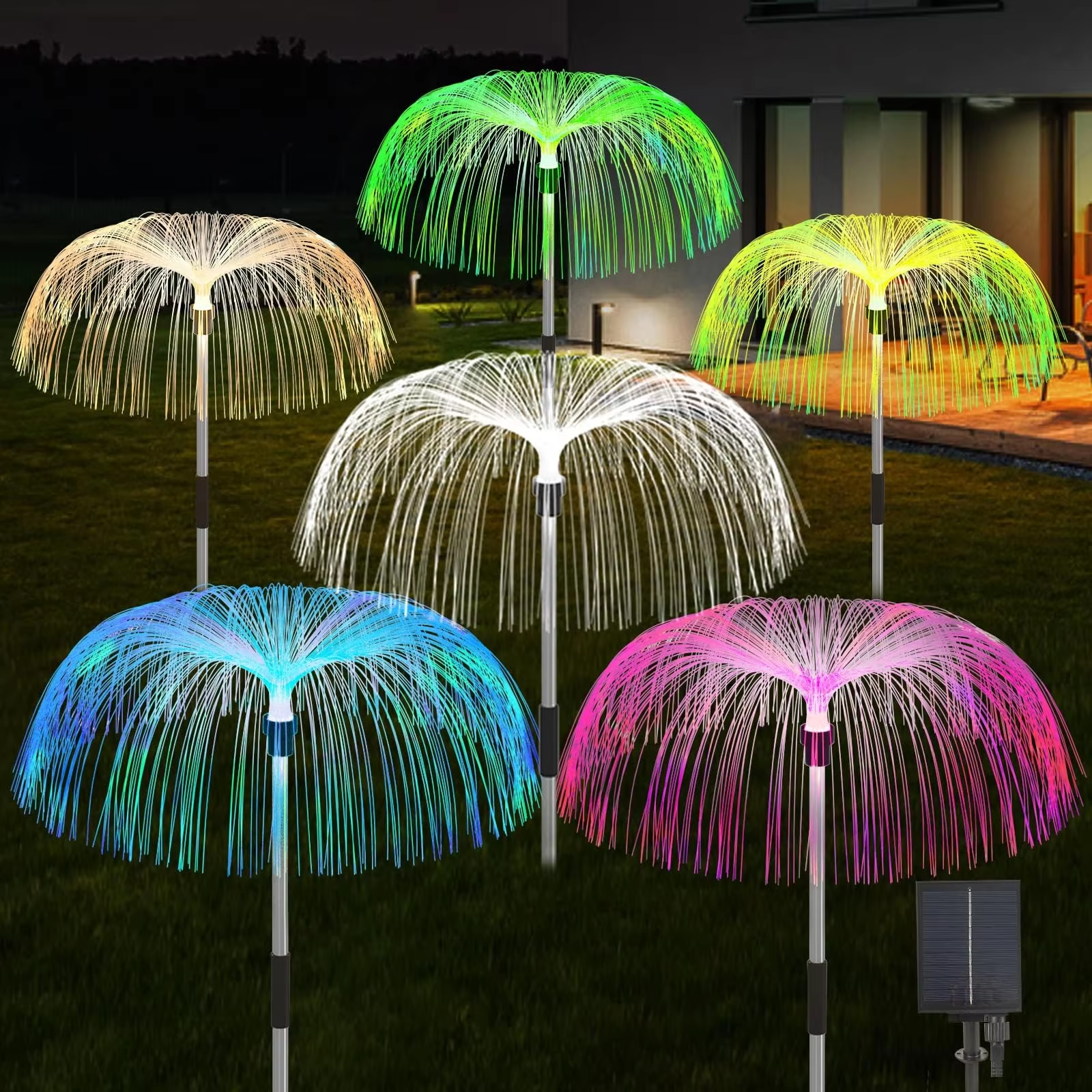
Energy Efficiency and Electricity Cost Savings with LED Twinkle Lights
How LED Technology Reduces Energy Consumption Compared to Incandescent Bulbs
LED twinkle lights work with semiconductor tech that turns around 90 to 95 percent of electricity directly into light, which means they waste very little as heat. Traditional incandescent bulbs are quite different though. They manage to turn only about 10% of their energy into actual light, while the remaining 90% escapes as heat according to research by the U.S. Department of Energy in 2023. Because of this difference in efficiency, LED lights generally need about 86% less power than their older counterparts. Take a typical home during the holidays for example. If someone has ten strands of lights running throughout December, making the switch to LEDs would cut down their yearly electricity usage from roughly 420 kilowatt hours all the way down to just 60 kilowatt hours. That kind of saving adds up over time.
Real-World Power Savings: Case Study on Holiday Lighting With LEDs
A 2023 analysis of seasonal lighting revealed clear cost advantages for LEDs:
| Metric | LED Lights (70W) | Incandescent (280W) | Savings |
|---|---|---|---|
| 6-Hour Daily Cost | $0.067 | $0.269 | 75% |
| 30-Day Seasonal Cost | $2.02 | $8.06 | $6.04 |
Commercial installations saved an average of $18.14 per 700-bulb display each season by switching to LED twinkle lights.
Strategies for Lowering Electricity Bills Using Energy-Efficient LED Strings
- Use smart timers: Limit operation to 4–6 hours nightly
- Layer lighting: Combine static and twinkling LED strings for depth
- Choose ENERGY STAR® certified products: Ensures verified performance and longevity
- Implement zonal controls: Use separate circuits with dimmers or smart switches
These practices maximize the 50,000-hour lifespan of LEDs, helping most consumers achieve full return on investment within 1.2 holiday seasons.
Lifespan, Durability, and Maintenance Comparison of LED vs. Traditional Bulbs
Average Lifespan of LED, Incandescent, Halogen, and CFL Bulbs in Twinkle Lights
Twinkle lights made with LED technology can last anywhere from 25 to 50 times longer than traditional incandescent bulbs. Regular old incandescents typically burn out after about 1,000 hours of use, whereas quality LEDs can keep going for between 25,000 and 50,000 hours. To put that into perspective, if someone uses them seasonally for four hours each day, those LEDs would still be working after more than a decade. Halogen bulbs manage around 2,500 hours before needing replacement, and CFLs do better at roughly 8,000 hours. Both of these options beat standard incandescents hands down, but they still fall way short when compared to LEDs. For businesses that run their lighting systems constantly throughout the day, say 12 hours or more, an LED setup rated for 50,000 hours would stay functional for about 11 years straight. Meanwhile, the same amount of time using regular bulbs would mean replacing them every three months without fail.
Performance of LED Strings in Outdoor and High-Use Environments
LEDs perform reliably in challenging conditions:
- Operate effectively in temperatures ranging from -20°F to 120°F (-29°C to 49°C)
- Resist moisture and humidity when properly IP-rated
- Withstand vibration and wind stress without filament damage
Premium models feature polycarbonate lens coatings that prevent yellowing and brittleness—a common issue with plastic-housed incandescent lights after 2–3 seasons.
Evaluating Manufacturer Claims: Are LED Longevity Ratings Realistic?
Independent testing shows commercial-grade LED twinkle lights typically reach 80–90% of their advertised lifespan when used correctly. However, real-world performance can be reduced by two key factors:
- Power surges from non-weatherproof controllers damaging internal drivers
- Chaining more than three strings, which causes voltage drops and component strain
ENERGY STAR certification requires passing a 6,000-hour stress test with less than 10% lumen depreciation, offering reliable validation of manufacturer claims.
Safety and Heat Emission: Why LED Twinkle Lights Are Safer Than Traditional Options
Heat Output Comparison: LED vs. Incandescent and Halogen Bulbs
LED twinkle lights run about 90 percent cooler compared to those old fashioned incandescent bulbs that basically throw away most of their energy as heat according to the U.S. Department of Energy report from last year. The difference is pretty dramatic when we look at temperatures too. Halogen bulbs get so hot they can reach well over 200 degrees Fahrenheit on the surface, while LED lights stay much closer to room temperature, usually not going past around 85 degrees F. That means people can actually touch them without getting burned even if they've been lit for hours straight. And this lower heat factor makes all the difference when it comes to safety around things that catch fire easily like Christmas tree branches, fabric ornaments, or paper decorations hanging nearby.
Reduced Fire Risk and Improved Safety in Homes and Public Displays
According to the National Fire Protection Association, around 15 percent of all holiday fires start with lighting gear, mostly because old fashioned incandescent bulbs get too hot. The good news? LED lights consume somewhere between 80 to 90 percent less electricity and stay cool to the touch, which cuts down on fire risks dramatically. That's why we're seeing more and more places like big shopping centers and local parks switching to UL certified LED displays these days. These installations work better in busy areas where people come and go constantly, plus they just make sense from a safety standpoint when considering how many decorations end up causing problems every year during the holidays.
Case Study: Fire Hazards Linked to Traditional Holiday Lighting
Looking at home fires in Erie, PA back in 2022 showed something interesting about holiday decorations. Out of 27 cases where Christmas lights caused problems, 23 happened because those old fashioned bulbs caught on fire from dry pine needles or curtains nearby. After the city started pushing for people to switch to LED lights, there was a big drop in these kinds of accidents during the 2023 holidays according to Erie Fire Department stats from last year. And this isn't just happening in Erie either. Nationally speaking, the CPSC reports that lighting related fires have gone down around 40 percent since 2018. Makes sense really when we think about how much more common LEDs have become across the country.
Light Quality, Color Accuracy, and Aesthetic Appeal of LED Twinkle Lights
Understanding Color Temperature and CRI in LED Decorative Lighting
Today's LED twinkle lights give folks much better control over the mood they create, thanks to things like color temperature measured in Kelvins and something called the Color Rendering Index or CRI for short. The warm white ones around 2700K to 3000K really do look similar to those old fashioned bulbs we all know and love, creating that comfortable atmosphere. On the flip side, the daylight versions at 5000K to 6500K make everything pop with color. Most modern LEDs hit CRI scores above 90 these days, so objects actually look brighter and truer to life just like when standing outside on a sunny day. According to research from Fluorolite in 2025, decorations set up with these newer LEDs seem to have about 40 percent more depth than what was possible with older models. That makes quite a difference when trying to create eye catching displays.
Do LEDs Look as Warm and Inviting as Traditional Incandescent Twinkle Lights?
The latest filament style LEDs combined with those new diffused lens coatings are getting really close to matching that warm amber light we associate with old school bulbs. A recent study from the Lighting Research Institute back in 2023 found something interesting too – about eight out of ten people couldn't tell the difference between good quality 2700K LED lights and traditional incandescent strings when it gets dark outside. If keeping that cozy feel matters, particularly when turning down the brightness, go for dimmable options that have this thing called "warm dim" tech. These actually change color as they get dimmer, just like how those old bulbs used to turn red when almost burned out. Makes all the difference in creating that authentic atmosphere without sacrificing energy efficiency.
Innovations in Design: RGB, Tunable White, and Smart LED String Options
| Feature | Traditional Lights | Modern LED Options |
|---|---|---|
| Color Options | Fixed white/colors | 16 million RGB hues |
| Control Method | Manual | App/voice-enabled scheduling |
| Customization | None | Tunable white (2700K–6500K) |
Smart LED systems enable dynamic lighting effects, music synchronization, and remote adjustments via smartphone apps—capabilities impossible with incandescent or CFL bulbs. These features allow users to switch instantly between intimate warm tones and festive multicolor displays, all while consuming 85% less energy.
Initial Cost vs. Long-Term Value and Environmental Impact of LED Twinkle Lights
Upfront Cost Comparison: LED vs. Traditional Light Strings
LED twinkle lights typically range from $10–25 per string, compared to $3–8 for incandescent versions. Although the initial price is higher, LEDs use 90% less energy (70 watts vs. 280 watts for 700 bulbs) and last up to 10 seasons, versus 1–2 for traditional options.
Break-Even Analysis and Total Cost of Ownership Over Time
A household replacing ten incandescent strands ($50 total) with LED strings ($150) achieves payback in 1.8 years through combined savings:
- Energy costs: $18.14 saved per season (70% reduction)
- Replacement costs: $50 saved annually by eliminating yearly bulb purchases
Over a decade, this results in over $500 in total savings, even after accounting for upfront investment.
Environmental Benefits: Lower Carbon Footprint and Reduced Waste
LED light strings typically last around 15 to 20 years, which means they keep hundreds of traditional bulbs out of landfills throughout their lifespan. These energy efficient alternatives consume about 80 percent less power than regular bulbs, so they produce far fewer carbon emissions during operation. Imagine what could happen if every household in America swapped out those old Christmas lights for LED versions instead. According to recent studies, this switch alone would reduce greenhouse gas emissions by roughly the same amount as taking nearly 5.6 million vehicles off the road each year. That makes LED lighting not just good for individual budgets but actually beneficial for the environment across entire communities too.
FAQ
What is the lifespan of LED twinkle lights compared to traditional bulbs?
LED twinkle lights can last from 25,000 to 50,000 hours, whereas traditional bulbs typically last around 1,000 hours.
How much energy can I save by switching to LED twinkle lights?
LED lights use about 90% less energy than incandescent bulbs, significantly reducing electricity costs.
Are LED twinkle lights safe for home use?
Yes, LED lights produce less heat and are cooler to the touch, reducing fire risks.
Do LED lights affect the environment?
LED lights have a lower carbon footprint and produce less waste, making them environmentally friendly over their lifespan.
Can LED twinkle lights mimic the warmth of incandescent bulbs?
Modern LEDs can closely match the warmth and appearance of incandescent bulbs, especially with "warm dim" technology.
Table of Contents
- Energy Efficiency and Electricity Cost Savings with LED Twinkle Lights
- Lifespan, Durability, and Maintenance Comparison of LED vs. Traditional Bulbs
- Safety and Heat Emission: Why LED Twinkle Lights Are Safer Than Traditional Options
- Heat Output Comparison: LED vs. Incandescent and Halogen Bulbs
- Reduced Fire Risk and Improved Safety in Homes and Public Displays
- Case Study: Fire Hazards Linked to Traditional Holiday Lighting
- Light Quality, Color Accuracy, and Aesthetic Appeal of LED Twinkle Lights
- Initial Cost vs. Long-Term Value and Environmental Impact of LED Twinkle Lights
- FAQ