EN
EN

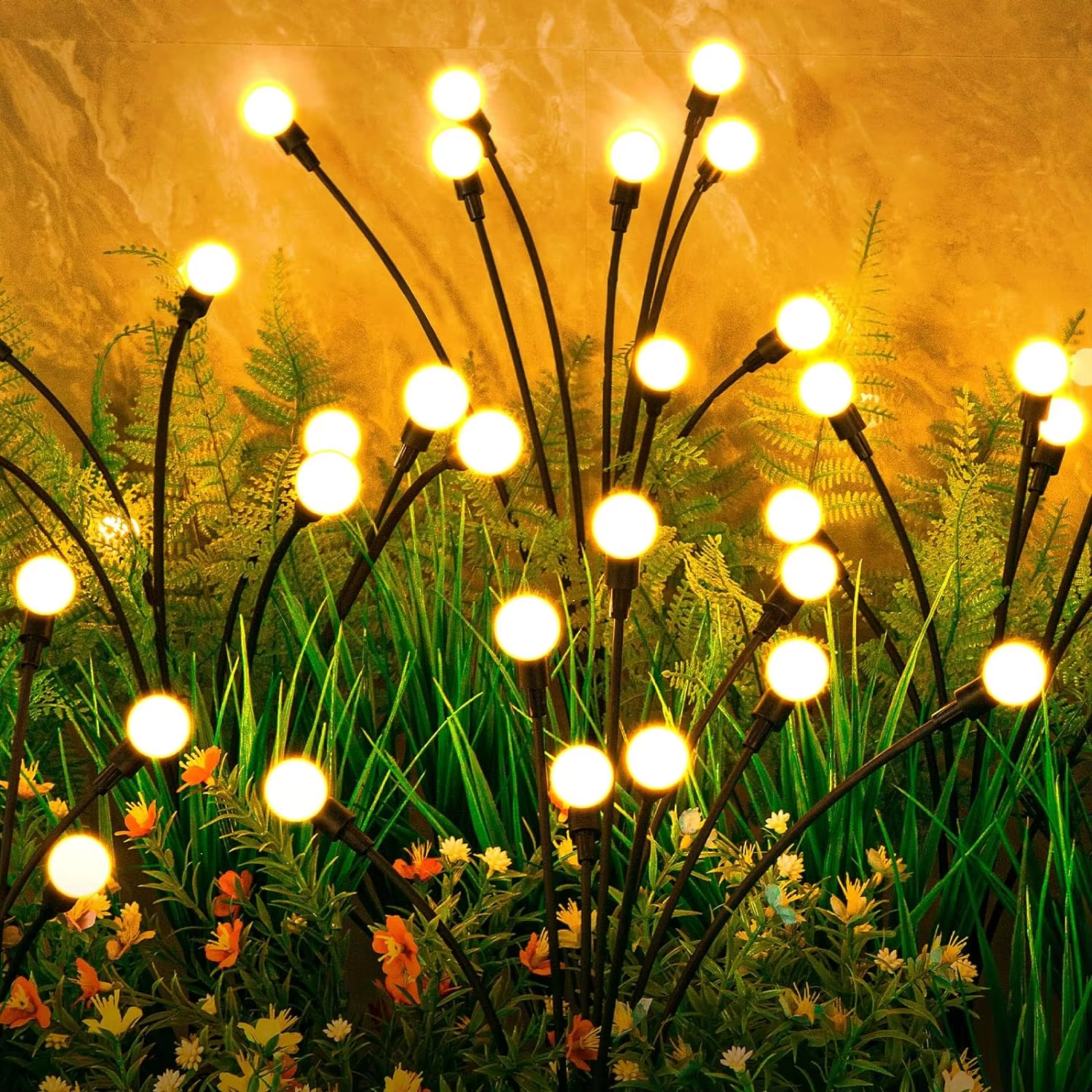
Safety and Security: The Primary Driver for Pathway Garden Lights
How Pathway Lighting Enhances Nighttime Safety and Prevents Accidents
Studies from the CDC back in 2022 found that pathway garden lights cut down on night time accidents by almost 60% in neighborhoods. When properly lit, people can actually see those pesky bumps, stairs, and other landscaping features that trip folks up when walking around after sunset. Most experts suggest putting in lights roughly six to eight feet apart along any path. This spacing helps get rid of those dark spots between fixtures where things like tree roots or garden gnomes might be hiding and waiting to cause trouble.
The Link Between Consistent Light Coverage and Home Security Improvement
Homes with uniform pathway lighting experience 34% fewer burglary attempts compared to those with partial or intermittent lighting, per a 2023 Urban Institute study. Criminals typically avoid well-lit areas where neighbors and security cameras can easily identify intruders. For optimal deterrence, combine pathway lights with motion-activated floodlights near entry points.
Case Study: Reduced Slip-and-Fall Incidents with Well-Lit Walkways in Suburban Homes
Residents in a suburban neighborhood near Detroit noticed something interesting after their HOA installed new LED lighting along pathways last year. Emergency room visits for falls outdoors dropped by around 40%, according to local hospital records. The project focused on areas where people actually walked most often - those tricky slopes between houses and the steps leading into garages. They put in these 300 lumen lights with pretty wide 120 degree beams so no part of the path was left in shadow. Makes sense really, since folks still need to get out at night for their dogs or to take out garbage when it gets dark early in winter.
Brightness, Light Coverage, and Color Temperature Optimization
Ideal Lumens and Beam Spread for Effective Pathway Illumination
For pathway garden lights, somewhere around 600 to 1200 lumens generally works best for seeing clearly without causing annoying glare. Most experts suggest going with about a 120 degree beam spread so the light from each fixture overlaps nicely and cuts down on those pesky dark patches between them. If the beams get too narrow, under 90 degrees, they tend to spotlight specific areas rather than lighting up the whole path evenly. On the flip side, anything wider than 150 degrees just ends up wasting electricity by shining light where nobody needs it. When installing these lights, keeping them spaced roughly 24 to 36 inches apart helps everything look balanced and consistent across the walkway. The folks who wrote the 2023 Landscape Lighting Safety Guidelines actually back this up, though I've seen plenty of DIYers skip this step and still end up happy with their results.
Choosing Warm White (2700K–3000K) vs Cool White: Psychological and Functional Impacts
Lighting with warm white tones around 2700K to 3000K makes spaces feel safer because they resemble sunsets, and research from 2022 in chronobiology found these colors actually lower stress hormones by about 18% when people are out at night. On the flip side, cool white lighting between 4000K and 5000K gives better visibility for spotting hazards since it's roughly 20% more efficient at producing light, though many find their eyes get tired after being exposed to this brightness for too long. Most homes still go for warmer options despite what some might call outdated thinking. The latest trends show that nearly three quarters of homeowners prefer warm lighting along walkways and driveways according to the 2024 report on outdoor lighting habits.
Case Study: LED vs Traditional Bulbs in Brightness Consistency Over Time
Researchers conducted a two year test looking at how LED versus traditional halogen pathway lights performed in actual home settings across fifty different properties. After running continuously for around 5,000 hours, LED bulbs still maintained about 90 percent of their original brightness. The halogen versions told a different story though they only managed to hold onto 60% of their light output after just 2,000 hours because their filaments simply wore out faster. When it comes to solar powered LEDs, these generally kept putting out good light during warm months without much drop off. But come winter time, most needed some kind of backup system to maintain consistent performance which highlights why adaptable lighting solutions are becoming so popular nowadays. Another benefit worth noting is that households switching to LEDs saw their maintenance expenses drop by roughly 35% each year according to figures from the latest Sustainable Lighting Index report published in 2023.
Type of Lighting (Solar vs Electric): Evaluating Performance and Reliability
Comparing Solar-Powered and Low-Voltage Electric Pathway Garden Lights
Garden path lights powered by the sun are super easy to install and come with no electricity bills, which makes them great for people who care about going green. But there's something to consider about those cloudy days we all get sometimes. Low voltage electric lighting systems keep shining bright no matter what the weather throws at them, and this really matters where it rains often or stays gloomy for weeks on end. Take a look at how these electric options hold their ground when it pours nonstop for days. They just keep putting out the same amount of light, whereas solar lights tend to start fading after about two days without any real sunshine.
Energy Efficiency and Eco-Friendliness: Why Solar Dominates Sustainability Discussions
Solar powered path lights cut energy usage completely when compared to regular grid connected ones, which fits right into all those worldwide efforts to reach net zero emissions. Regular lighting systems run off electricity generated mostly from coal and gas, while solar lights tap into sunlight directly and don't release any carbon dioxide during operation. For people wanting to landscape sustainably, these solar options are becoming pretty much standard nowadays. Still worth mentioning though that the real green benefits only come through if we dispose of the batteries correctly at the end of their life cycle, something many folks forget about when installing these lights.
Controversy Analysis: Intermittent Solar Performance in Shaded or Northern Climates
Research from 2024 looking at solar powered path lights installed in shaded garden areas showed they ran for about 40% less time each night than those placed where sunlight was unrestricted. Up north where winters bring short days, many solar light systems just don't get enough sun to top up their batteries properly, which means garden paths end up poorly lit most evenings. This problem has led to quite a discussion among landscape designers and homeowners about whether it makes more sense to go with reliable electric lighting solutions rather than sticking with solar options when dealing with tough weather conditions year round.
Consumer Preference Trends: Hybrid or Electric Systems for Consistency
According to some recent market research, around 62 percent of home owners are now leaning towards either hybrid solar electric setups or going all out with low voltage lighting along those important walkways near their homes. People seem to be realizing that places where security matters most, such as front doors and side entrances, need reliable light sources no matter what happens with electricity bills. The hybrid approach basically tries to solve this problem by relying mainly on solar energy during good weather but keeps traditional electrical connections handy when clouds roll in or nights get darker than expected.
Durability, Materials, and Weather Resistance of Pathway Garden Lights
Common Materials Used in Outdoor Lights: Die-Cast Aluminum, Stainless Steel, and UV-Resistant Plastics
Garden path lights have it tough dealing with rain showers, relentless sun exposure, and all sorts of weather swings throughout the year. That's why high end models typically use die cast aluminum construction. The metal stands up to corrosion really well and holds its shape even when people walk over them day after day. For places near the ocean where salt air is a problem, stainless steel becomes the go to material since it resists rust from seawater. Plastic components made with UV protection help avoid those annoying yellow stains and keep the plastic from cracking over time, which matters a lot for how evenly the light spreads across the ground. Studies indicate that using these better materials can make outdoor lighting last anywhere from two to three times longer than cheaper options without special treatments, cutting down on replacement expenses by around one third each year for property owners.
IP Ratings and Longevity: How Quality Affects Maintenance Frequency
The weatherproof rating makes all the difference when it comes to garden lights along pathways. Products rated IP65 (which means dust tight and can handle low pressure water jets) or even better IP67 (those that can survive being submerged) are what we consider truly reliable, not just something bought for a season or two. According to some research done last year in landscaping, those fancy IP67 rated lights needed about 40 percent less maintenance work after five whole years compared to regular IP44 models. What's actually happening inside these higher rated lights? Well, they tend to have better sealed interiors and materials that are simply thicker. And this matters because manufacturers often claim their commercial LED bulbs will last around 50,000 hours. When lights can withstand harsh conditions without failing, people save money on replacements in the long run. Plus, gardens stay properly lit during heavy rains or sudden cold snaps without anyone needing to worry about fixing things constantly.
Aesthetic Appeal and Strategic Placement for Maximum Curb Appeal
The Impact of Design, Style, and Color Temperature on Landscape Beauty
Garden path lighting does more than just keep folks from tripping over roots at night. About six out of ten landscape designers these days go for those warm white bulbs between 2700K and 3000K because they look good and still get the job done according to the Lighting Design Council report last year. For modern spaces, nothing beats those clean lines of stainless steel fixtures that don't stick out too much. But if someone wants something with character, copper finished lanterns work wonders alongside older buildings or stone walls. Getting the right color temperature matters a lot too. When done right, it softens shadows so people can actually see where they're walking without everything looking washed out under artificial light that drowns out the stars above.
Matching Pathway Garden Lights to Architectural Themes for Cohesive Curb Appeal
- Modern homes: Linear LED bollards with brushed metal finishes
- Cottage-style properties: Recessed globe lights in matte black
- Mediterranean villas: Terra-cotta pillar lights with mosaic accents
This alignment ensures lighting becomes an extension of the home’s character rather than an afterthought, boosting perceived property value by up to 19% (National Association of Realtors 2024).
Height, Scale, and Spacing Guidelines: Achieving Even Illumination Without Glare
| Factor | Optimal Range | Purpose |
|---|---|---|
| Fixture height | 12"–24" | Reduce tripping hazards |
| Spacing | 6–8 feet apart | Prevent dark zones |
| Beam angle | 120°–150° | Minimize light spillage |
Lower-profile lights near seating areas reduce glare, while taller post lights mark elevation changes.
Design Principle: Layering Light for Depth and Visual Interest in Garden Landscapes
Combining pathway garden lights with uplighting (for trees) and downlighting (for pergolas) creates dimensional focal points. A 2023 University of Georgia Horticulture Study found layered designs increase perceived garden size by 22% by guiding eyes toward specimen plants or water features.
FAQ
Q: What is the optimal spacing for pathway garden lights?
A: Experts suggest placing pathway lights approximately six to eight feet apart to eliminate dark spots and enhance safety.
Q: How do solar-powered lights compare to electric lights in terms of performance?
A: Solar-powered lights are eco-friendly and cost-effective, but their performance can be inconsistent in shaded areas or regions with prolonged cloud cover. Electric lights offer more reliable performance in such conditions.
Q: What are the benefits of using LEDs over traditional bulbs for garden pathway lighting?
A: LEDs maintain brightness more consistently over time and reduce maintenance costs by approximately 35% each year compared to traditional bulbs.
Q: How does the color temperature of lights impact the psychological and functional aspects of pathway lighting?
A: Warm white tones (2700K–3000K) reduce stress and create a safer ambiance, while cool white (4000K–5000K) provides better visibility but can cause eye fatigue over extended periods.
Table of Contents
- Safety and Security: The Primary Driver for Pathway Garden Lights
- Brightness, Light Coverage, and Color Temperature Optimization
-
Type of Lighting (Solar vs Electric): Evaluating Performance and Reliability
- Comparing Solar-Powered and Low-Voltage Electric Pathway Garden Lights
- Energy Efficiency and Eco-Friendliness: Why Solar Dominates Sustainability Discussions
- Controversy Analysis: Intermittent Solar Performance in Shaded or Northern Climates
- Consumer Preference Trends: Hybrid or Electric Systems for Consistency
- Durability, Materials, and Weather Resistance of Pathway Garden Lights
-
Aesthetic Appeal and Strategic Placement for Maximum Curb Appeal
- The Impact of Design, Style, and Color Temperature on Landscape Beauty
- Matching Pathway Garden Lights to Architectural Themes for Cohesive Curb Appeal
- Height, Scale, and Spacing Guidelines: Achieving Even Illumination Without Glare
- Design Principle: Layering Light for Depth and Visual Interest in Garden Landscapes
- FAQ