EN
EN

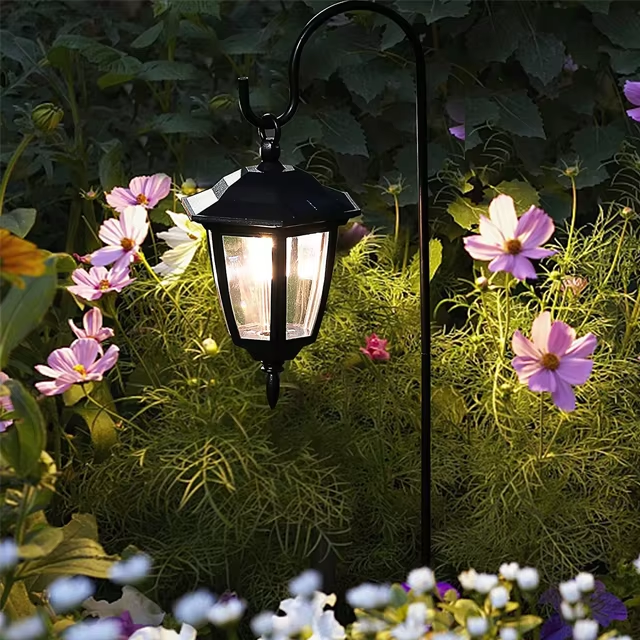
The Rise of Solar-Powered Outdoor Lighting in Modern Design
Growing Demand for Eco-Friendly Patio Lighting Trends
More and more people who own homes or run businesses are going for solar powered patio string lights instead of regular electricity based lighting these days. A recent survey from 2022 found that about two thirds of families living in suburbs have switched to solar lighting solutions, mostly because they save between half to three quarters on yearly energy bills. What we're seeing here is part of a bigger movement toward environmentally friendly designs. Nowadays when someone wants to upgrade their outdoor space, they typically go for LED systems that use very little power plus materials that can actually be recycled later on.
Wireless Freedom and Sustainability Reshaping Outdoor Spaces
Solar lighting gets rid of all that complicated wiring stuff and helps cut down on environmental damage too. The best part? These solar setups work completely separate from regular power grids. For the average home, this means about 220 pounds less carbon going into the atmosphere each year. Plus, most solar lighting comes with modular parts that can be rearranged pretty easily when hosting parties or adjusting for different seasons. And because they're built to withstand weather conditions, there's no need to replace them so often which saves money and keeps trash out of landfills. Practical? Definitely. Good for the planet? Absolutely.
Recent Advancements in Solar Panel Efficiency and Battery Storage
The third generation of photovoltaic cells is hitting around 23% energy conversion efficiency these days, which represents roughly a 40% jump from what we saw back in 2018 according to NREL data from last year. Pair these cells with lithium iron phosphate batteries though, and suddenly those fancy solar string lights aren't just good for show anymore. They actually provide solid illumination for over 12 hours straight after getting charged up during daylight hours. What makes all this so impressive? Even when clouds roll in regularly, these systems still work reliably enough that most contractors installing new outdoor lighting setups are choosing them. We're talking about nearly 8 out of every 10 patios getting lit up this way nowadays.
Smart Connectivity Meets Sustainability: The Evolution of Solar Patio String Lights
Integration with Smart Home Ecosystems (Alexa, Google Home, Apple HomeKit)
Today's solar powered patio string lights work really well with most popular smart home systems including Alexa, Google Home, and Apple's HomeKit setup. The way these different systems talk to each other means people can connect their outside lights to what's happening inside the house. For instance, the string lights might get dimmer automatically when someone turns on the living room lamps, or walkway lights could come on just by saying a few words out loud. Because these lights follow open API standards, they don't need special extra devices to make everything work together. That makes it much easier for folks who already have a smart home system to add these lights without having to buy lots of new equipment.
Mobile App Control for Remote Scheduling and Customization
Mobile apps give people exact control over their lighting setup. They can create specific scenes for various events, set up location-based alerts so the lights turn on when someone gets near the house, and check how much power they're storing through live energy monitors showing solar charge levels and battery stats. When lights are scheduled automatically instead of running during the day, systems become way more efficient. Studies from Outdoor Tech Report back this up, showing around 18 to 22 percent better performance than when people manage everything themselves manually.
Voice Control and Automation: Enhancing User Convenience
About 43 percent of people interact with their smart solar lights through voice commands from Alexa or Google Assistant, per the Smart Home Index report. The newer models come equipped with sensors that detect surrounding light levels and pull in weather information too, so they can dim when it rains or last longer on overcast days. A recent survey called the 2024 Landscape Lighting Trends shows that around two thirds of homeowners really want automated controls for their outdoor lighting setups. These no-hands-required features are making all the difference in customer happiness ratings these days.
Key Innovations Driving Consumer Adoption of Smart Solar String Lights
Color-Changing LEDs and Programmable Lighting Modes for Ambiance Control
LED tech that changes colors can produce around 16 million different shades, making it easy to switch from cozy warm white lighting during dinner parties to bright festive colors when celebrating special occasions. Many systems come with preset options such as sunset effects or seasonal decorations, so there's no need to fiddle with settings manually anymore. According to the latest Residential Lighting Trends data from 2024, almost four out of five consumers pick these smart solar lights mainly because they want to customize their home atmosphere however they please.
Brightness Adjustment and Dynamic Effects via Smartphone Apps
Top-tier systems offer app-controlled dimming from 10% to 100% brightness, along with dynamic effects such as cascading sparkles or music-synchronized pulsing. This level of control not only enhances visual appeal but also reduces energy consumption by 37% compared to fixed-output models. Scheduled scenes enable automated landscape transformations, balancing aesthetics with efficiency.
Case Study: Market Leadership in Smart Solar Lighting
A leading manufacturer achieved 210% year-over-year growth by combining high-efficiency solar charging with responsive app controls. Their system autonomously adjusts brightness based on battery levels and ambient light, demonstrating how intelligent integration drives adoption—especially among suburban homeowners, 62% of whom prioritize automated outdoor lighting solutions.
Automation, Energy Efficiency, and Consumer Behavior Trends
The latest smart solar patio lights are getting pretty clever about saving energy these days. They come with built-in timers that turn on at sunrise and off at sunset, plus they dim automatically when clouds roll in, cutting power usage anywhere from 30 to 70 percent on gloomy days. What's great is that all this tech keeps the yard looking good without wasting electricity, something most homeowners care deeply about both for their wallet and the environment. Some research came out recently showing that nearly two thirds of people living in suburbs really appreciate having lighting options that cut down on reliance on the power grid while still performing well enough not to notice any difference in quality.
Platforms such as Instagram and Pinterest are really driving interest in outdoor spaces that look good, which explains why people have been searching for those fancy solar string lights at 140% more than last year since around 2022. But there's a catch worth mentioning here too. Nearly half (about 48%) of folks buying these products worry about their private information being exposed through smart devices. Smart companies are catching onto this concern though. They're now adding things like full encryption from start to finish, making sure analytics don't track individuals specifically, and giving customers control over their own networks locally. These changes allow products to work securely without needing constant internet connection while still letting users know exactly what happens to their data.
Future Outlook: Market Growth and Next-Gen Smart Solar Lighting
Emerging Trends in Solar-Smart Lighting Integration and AI-Driven Controls
Smart technology is transforming how products work these days, especially with things like internet connected devices and learning algorithms getting better all the time. Systems powered by artificial intelligence now look at how much light there is around and what people actually do, then adjust screen brightness automatically. This cuts down on wasted electricity quite a bit too, somewhere around 34 percent according to research from National Renewable Energy Lab back in 2024. Another cool feature comes in the form of early warning signals when panels need cleaning or batteries start showing signs of wear out. These alerts help keep equipment running longer than regular versions, often adding two to three extra years before replacement becomes necessary.
Improvements in Low-Light Charging and Energy Storage Technology
Recent advances in perovskite solar cells have made them much better at capturing energy even when it's cloudy outside, which means they work well in places further north where sun isn't always shining bright. The new generation of LiFePO4 batteries are pretty impressive too, lasting through around 1500 full charges before dropping below 80% of their original capacity. That's actually about 40% longer than those old nickel based batteries most people used to rely on. Some actual field tests conducted throughout different parts of Europe indicate that these combined systems can provide between eight to twelve hours worth of light after only getting four hours of weak winter sunlight during the day.
Market Projection: Smart Solar Lighting to Capture 40% of Outdoor Décor by 2027
Smart solar lighting looks set to explode in popularity over the next few years according to industry experts who predict nearly three times growth by 2027. Suburban folks wanting their yards to be both convenient and green are really pushing this trend forward. About two thirds of newly built houses already come equipped with smart lighting wiring these days, according to NAHB stats from last year. As a result, companies are coming out with durable outdoor lights that fit right into deck rails and pergola structures without looking out of place. Looking ahead, some estimates suggest this market could hit almost $20 billion by 2033, making it pretty much the go to choice for anyone serious about environmentally friendly landscape design these days.
FAQ
What are the benefits of solar-powered patio string lights?
Solar-powered patio string lights are eco-friendly, reduce reliance on traditional power grids, and significantly lower electricity bills. They are durable and weather-resistant, minimizing maintenance and replacement needs.
How do solar-powered string lights work with smart home systems?
These lights integrate seamlessly with popular smart home systems like Alexa, Google Home, and Apple HomeKit, allowing users to control lighting through voice commands or set automated scenarios for convenience.
What advancements have been made in solar panel efficiency?
The latest photovoltaic cells have a conversion efficiency of approximately 23%, and when paired with lithium iron phosphate batteries, they provide long-lasting illumination even under cloud cover.
Is there a risk of data privacy with smart solar lighting?
While some users are concerned about data privacy, manufacturers are addressing this by offering full encryption and local network controls to protect user information.
What is the market outlook for smart solar lighting?
The smart solar lighting market is expected to grow significantly, with an estimate to capture 40% of the outdoor décor market by 2027 due to rising demand for eco-friendly and convenient lighting solutions.
Table of Contents
- The Rise of Solar-Powered Outdoor Lighting in Modern Design
- Smart Connectivity Meets Sustainability: The Evolution of Solar Patio String Lights
- Key Innovations Driving Consumer Adoption of Smart Solar String Lights
- Automation, Energy Efficiency, and Consumer Behavior Trends
- Future Outlook: Market Growth and Next-Gen Smart Solar Lighting
- FAQ