EN
EN

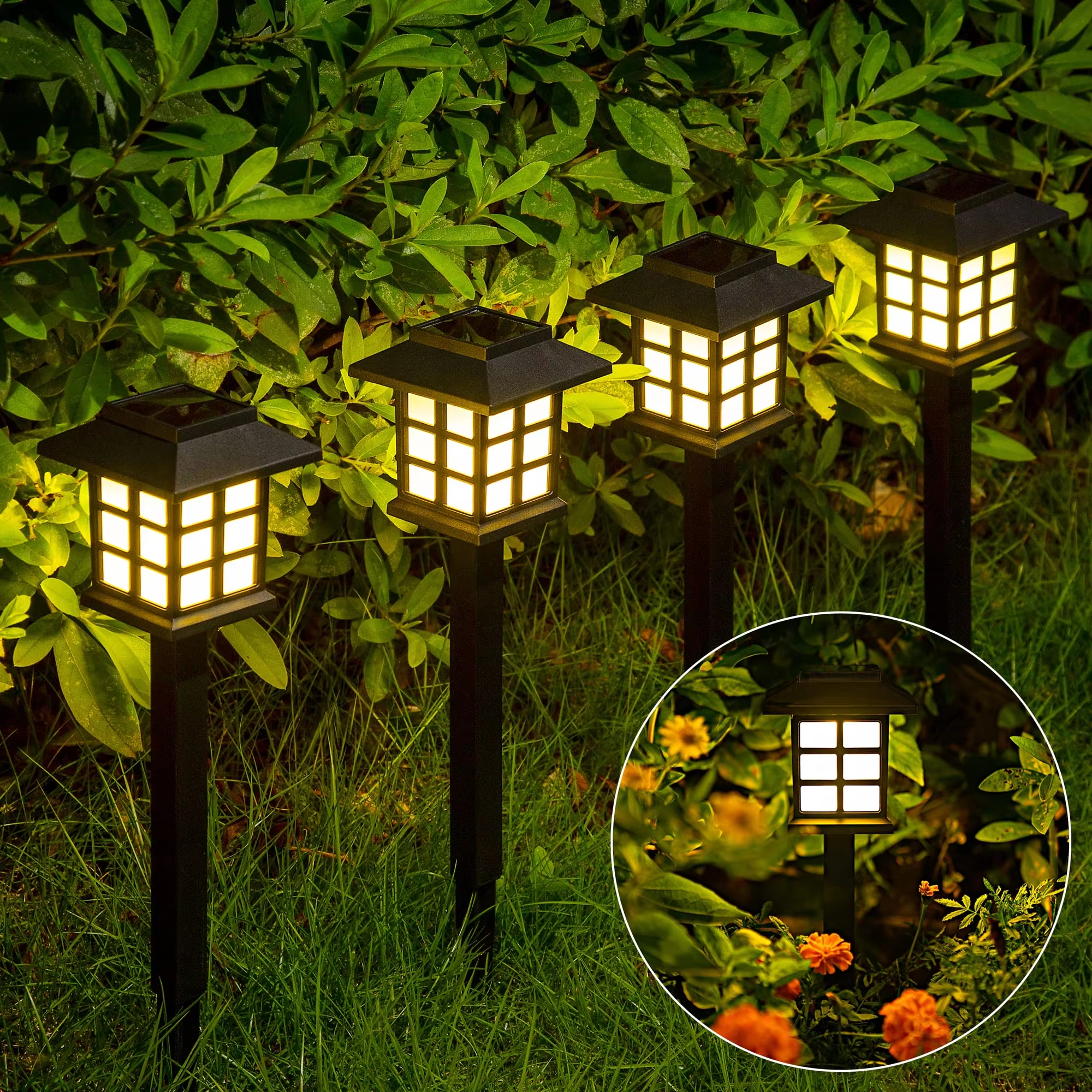
Understanding IP Ratings and Their Role in Solar Garden Light Waterproofing
IP Rating Meaning and International Standard (IEC 60529)
IP ratings, also known as Ingress Protection ratings, basically tell us how well a device can withstand things getting into it from outside sources. These ratings follow an international standard called IEC 60529 and are shown as two numbers together, think IP65 or even IP68 when looking at solar garden lights. The first number ranges from 0 to 6 and shows how good the product is at keeping out stuff like dust particles. The second number goes up to 9 and tells us about its ability to resist water getting inside. For someone shopping for outdoor lighting solutions, these ratings matter quite a bit since they indicate just how tough those little solar powered lamps really are against Mother Nature's elements.
Decoding the Two Digits: Dust Protection vs. Water Resistance Levels
The IP65 rating means something simple but important it keeps out all dust particles and stands up against water sprayed from a hose or similar low pressure source. When looking at those numbers, bigger second digits mean better water protection. Take IP67 as another level up these lights can handle being submerged in water about a meter deep for half an hour without damage. Even better are the IP68 rated ones which work fine when continuously immersed deeper than one meter. Getting familiar with these ratings helps people pick the right outdoor lighting based on where they live and what weather conditions their property faces day after day.
Why IP Ratings Matter for Outdoor Solar Lighting Reliability
When solar garden lights lack proper IP certification, water tends to get inside which causes all sorts of problems including electrical shorts, rust buildup, and ultimately a much shorter life span for the product. Industry tests show that lights rated at IP65 or higher suffer around 92 percent fewer breakdowns caused by bad weather after three years of use when compared to those without any rating whatsoever. The IP rating basically tells consumers whether these outdoor lights will stand up to real world conditions like heavy rain, high humidity levels, and even dust storms without giving up the ghost too soon.
Essential IP Ratings for Outdoor Solar Garden Lights: From IP65 to IP68
IP65: The minimum standard for reliable rain and splash resistance
Garden solar lights with an IP65 rating can handle regular rain showers and even garden hose spray according to the IEC 60529 standard for water jets. The first number in the rating means complete dust protection, while the second indicates resistance against water flows around 12.5 liters per minute. Most folks find these work well in areas where it doesn't rain too heavily year round, lasting somewhere between three to five years before needing replacement. However, they might struggle during severe weather events like coastal storms or places prone to hurricanes where conditions exceed their design limits.
IP66: Enhanced protection for high-wind, heavy-rain environments
IP66 certified lighting is built for places where wind speeds go over 80 km/h and rain can pour down at rates above 40 mm per hour. These fixtures come with stronger seals and special lens coatings that repel water. They keep out all dust particles and handle water volumes of around 100 liters per minute, which basically matches what happens during heavy tropical storms. Field reports from installers working in Southeast Asia's monsoon regions show something interesting too. After going through two full storm seasons, those using IP66 rated lights experienced roughly 87% fewer problems compared to their colleagues who stuck with IP65 models instead. This kind of reliability makes a real difference when dealing with unpredictable weather conditions year after year.
IP67 vs. IP68: When full immersion protection is necessary
| Protection Level | Depth Tolerance | Duration | Ideal Use Case |
|---|---|---|---|
| IP67 | 1 meter | 30 min | Flood-prone gardens |
| IP68 | >1 meter | Continuous | Pond/pool lighting |
IP68-rated solar lights use dual silicone gaskets and compression-locked battery compartments, enabling safe underwater operation at depths up to 3 meters. Poolside installations benefit from IP68 due to chemical exposure, while IP67 is sufficient for areas prone to seasonal flooding.
Avoiding false waterproof claims: Identifying misleading low IP-rated products
A recent 2023 market study found that more than half of those solar garden lights claiming to be waterproof on online stores don't actually have proper IP certification. Real certified products will show clear compliance stickers and come with test results from recognized labs like TÜV Rheinland. When shopping around, check for consistent plastic molding around the body and properly sealed connections where cables enter the light housing these details often indicate better quality construction for outdoor use.
How High IP Ratings Enhance Durability Against Moisture and Dust
Preventing Internal Corrosion and Electrical Failure Through Superior Sealing
Lights with IP67 or IP68 ratings utilize multi-layer sealing systems that block dust and water vapor, preventing oxidation in circuitry and battery compartments—a leading cause of failure in humid environments. High-quality silicone gaskets and compression-fit joints create airtight barriers while allowing heat dissipation from LEDs.
Sealing Technologies Used in IP67 and IP68 Solar Garden Light Designs
IP67 models incorporate pressure-equalizing vents and ultrasonic-welded seams to handle temporary submersion. IP68 designs go further with epoxy-encapsulated solar panels and threaded O-ring seals rated for continuous underwater use, effectively resisting saltwater intrusion in coastal settings and fine sand in desert regions.
Material Quality and Construction: Sustaining Waterproof Performance Over Time
UV-resistant polycarbonate housings and marine-grade stainless steel components enhance long-term reliability. These materials resist warping across extreme temperatures (-20°C to 50°C), preserving seal integrity through seasonal shifts. Third-party audits verify ongoing compliance with IEC 60529 standards throughout the product’s 5–7 year lifespan.
By selecting lights built to these specifications, users ensure durable, waterproof solar garden lighting performance across harsh weather cycles.
Choosing the Right IP-Rated Solar Garden Lights for Your Environment
Matching IP Ratings to Location: Urban, Rural, and Coastal Applications
When setting up outdoor lighting, it really depends on where exactly it will be installed. Urban gardens that get hit by rain and dust should go with IP65 rating. If there are frequent storms in rural areas, then IP66 makes more sense. For those tricky coastal spots dealing with salt spray and occasional tidal flooding, IP67 or even better IP68 is definitely worth considering. Some recent tests from 2023 actually showed that these IP68 rated lights can stick around almost three times longer than regular IP65 ones when they're constantly battling tides. And don't forget about deserts either. Places prone to sandstorms need at least IP65 protection, preferably something higher with extra dust resistance built in so the equipment doesn't just give up after a few months buried under sand.
Beyond IP: UV Resistance, Temperature Tolerance, and Build Quality
High IP ratings alone don’t guarantee longevity. UV-resistant polycarbonate lenses prevent 92% of yellowing compared to standard plastics (Solar Lighting Institute, 2024). Prioritize lights with:
- Operating range of -20°C to 50°C
- Die-cast aluminum housing over plastic
- Silicone-sealed battery compartments
How to Verify Genuine IP Certification and Avoid Marketing Hype
Authentic IP-certified lights feature:
- IEC 60529 compliance markings
- Visible seals around joints and access points
- Test reports from independent laboratories
Avoid products labeled “water-resistant” without a formal IP code—38% fail basic hose spray tests within six months (Outdoor Lighting Review, 2024).
FAQ Section
What do IP ratings stand for?
IP ratings indicate the level of protection an item has from dust and water ingress. It follows international standards to show reliability, especially for outdoor equipment like solar garden lights.
Why are IP ratings important for solar garden lights?
IP ratings are crucial because they determine the light's ability to withstand different weather conditions, ensuring longevity and reducing maintenance costs.
How can I differentiate between IP65, IP66, IP67, and IP68 ratings?
IP65 and IP66 offer basic water and dust protection, suitable for less extreme environments. IP67 and IP68 provide advanced protection, allowing for submersion in water and resistance to harsher elements.
How can I verify genuine IP certification?
Check for compliance markings, inspect visible seals, and review test reports from reputable laboratories to ensure genuine certification.
Table of Contents
- Understanding IP Ratings and Their Role in Solar Garden Light Waterproofing
- Essential IP Ratings for Outdoor Solar Garden Lights: From IP65 to IP68
- IP65: The minimum standard for reliable rain and splash resistance
- IP66: Enhanced protection for high-wind, heavy-rain environments
- IP67 vs. IP68: When full immersion protection is necessary
- Avoiding false waterproof claims: Identifying misleading low IP-rated products
- How High IP Ratings Enhance Durability Against Moisture and Dust
- Choosing the Right IP-Rated Solar Garden Lights for Your Environment
- Matching IP Ratings to Location: Urban, Rural, and Coastal Applications
- Beyond IP: UV Resistance, Temperature Tolerance, and Build Quality
- How to Verify Genuine IP Certification and Avoid Marketing Hype