EN
EN

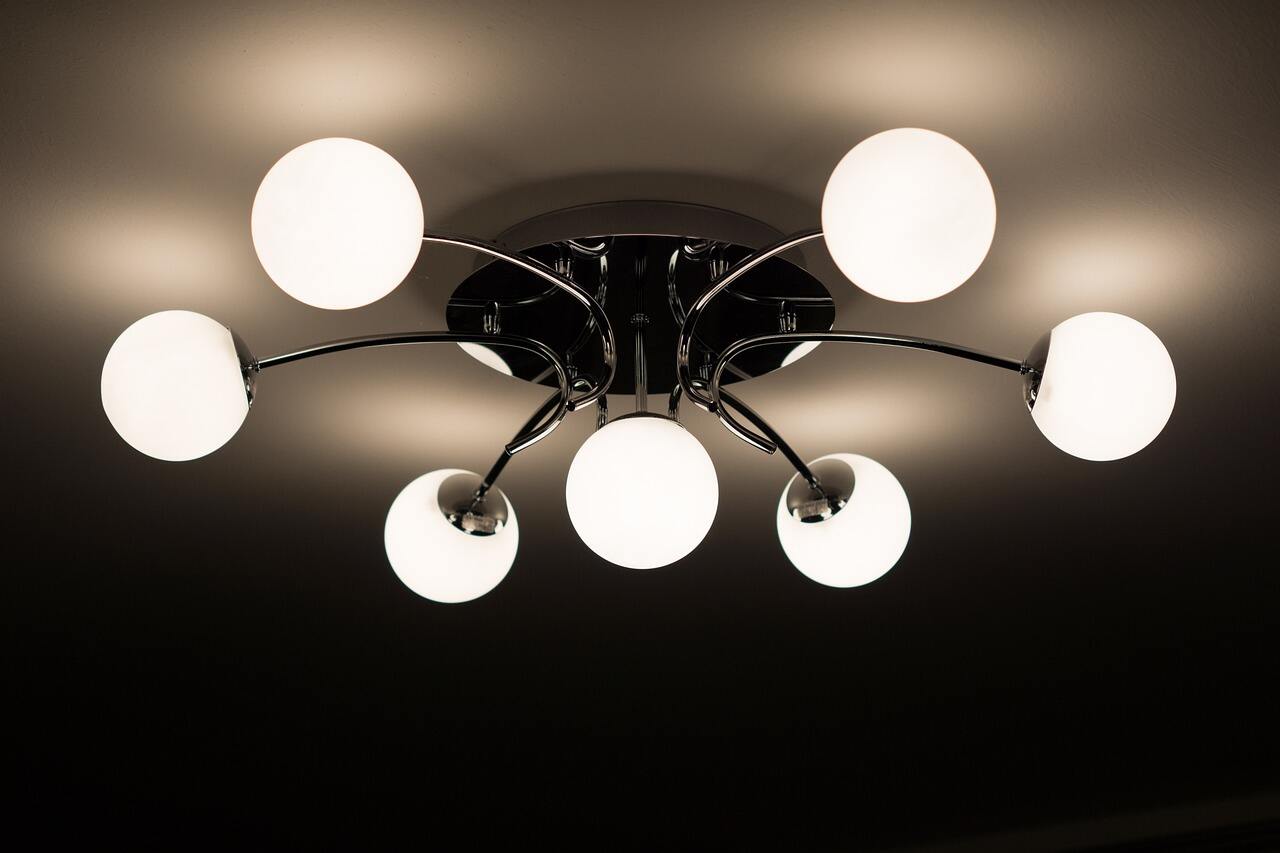
CE Certification: The Foundation of EU Market Access for Solar Wall Lamps
Understanding CE Marking for Solar Lighting Products in the European Economic Area
The CE mark serves as the required safety approval for solar wall lamps entering the European Economic Area market. Basically, products need this mark to show they meet all EU standards regarding safety, health issues, and environmental concerns. Without proper CE marking, getting these products onto store shelves just isn't possible. Contrary to what some might think, the CE mark doesn't actually certify quality. Instead, it represents an official statement from manufacturers claiming their products follow relevant EU regulations. When it comes specifically to solar wall lighting products, there are several key directives at play here. First off, compliance with the Low Voltage Directive is essential. Then there's the Electromagnetic Compatibility requirements to consider. And let's not forget about restrictions on hazardous materials outlined in the RoHS directive. Before putting that CE sticker on anything, manufacturers have to gather all necessary technical files, run through various conformity checks, and finally produce their own Declaration of Conformity document.
Key Directives Under CE: LVD, EMC, and RoHS as Core Compliance Requirements
Three directives form the backbone of CE compliance for solar wall lamps:
- Low Voltage Directive (LVD) 2014/35/EU: Ensures electrical safety for equipment operating between 50–1,000 V AC or 75–1,500 V DC. While most residential solar wall lamps use 12V–24V DC systems—below the 75V DC threshold—integrated components like inverters or hybrid controllers may push voltage levels above this limit, triggering full LVD assessment.
- Electromagnetic Compatibility (EMC) Directive 2014/30/EU: Requires that electronic components—including charge controllers and LED drivers—neither emit disruptive electromagnetic interference nor malfunction when exposed to common ambient fields.
- Restriction of Hazardous Substances (RoHS) Directive 2011/65/EU: Limits lead, mercury, cadmium, hexavalent chromium, PBBs, and PBDEs in PCBs, batteries, solder, and other electronic assemblies.
According to a recent EU market check from 2023, about two thirds of solar lighting products that didn't meet requirements actually failed because they violated either EMC regulations or RoHS standards. This puts manufacturers at risk for product recalls and penalties that can go well over fifty thousand euros each time it happens. To make sure everything complies, companies need to test their products against several established standards. These include things like EN 60598-1 which deals with luminaire safety, EN 55015 for electromagnetic compatibility in lighting equipment, and there's also EN IEC 63000 that covers how to assess compliance with RoHS restrictions on hazardous substances.
Low Voltage Directive (LVD) 2014/35/EU: Ensuring Electrical Safety in Solar Wall Lamps
Does LVD Apply to Low-Voltage Solar Systems? Clarifying the 24V DC Threshold
The Low Voltage Directive covers equipment running at voltages between 50 to 1,000 volts AC or 75 to 1,500 volts DC. Most solar wall lamps actually work with 12V to 24V DC battery systems. These are way below the 75V DC mark set by regulations, so they don't need LVD certification. According to recent data from the European Solar Lighting Association (2024), about three out of four residential solar lighting installations in the EU use 24V systems. There's one important catch though. If any part of the system like an inverter, boost converter, or hybrid controller pushes the voltage over 75V DC, then the whole setup loses its exemption status and must go through complete LVD testing instead.
Safety Standards for LED Drivers and Control Circuits Under LVD
When LVD applies, LED drivers and control circuits must comply with stringent safety standards:
- EN 60598-1: Specifies insulation resistance, creepage distances, and mechanical stability
- EN 62368-1: Addresses overcurrent, overvoltage, and fault-condition protection
- EN 61347-1: Governs thermal management and fire resistance for LED drivers
Testing verifies protection against electric shock, thermal runaway (especially critical with lithium batteries), and environmental stressors like condensation or UV exposure. Non-compliance carries enforcement risks—including withdrawal from the market and average fines of €45,000 per violation (EU Safety Audit Report, 2023).
EMC Directive 2014/30/EU: Managing Electromagnetic Compatibility in Solar Lighting
Electromagnetic compatibility (EMC) ensures solar wall lamps operate reliably without emitting disruptive interference—or failing under real-world electromagnetic conditions. This directive mandates rigorous testing of emissions and immunity across all electronic subsystems, particularly charge controllers and LED drivers.
EMC Testing Protocols for Solar Lamp Controllers and Common Failure Points
Solar lamp controllers undergo emissions testing (e.g., radiated disturbances up to 1 GHz) and immunity assessments including electrostatic discharge (EN 61000-4-2), fast transients (EN 61000-4-4), and surge immunity (EN 61000-4-5). Common failure points include:
- High-frequency switching noise from PWM controllers exceeding EN IEC 61000-6-3 limits
- Voltage spikes during battery disconnect causing false shutdowns under EN 61000-4-4
- Poor PCB layout increasing susceptibility in low-light sensors and photodiodes
Testing against harmonized standards EN IEC 61000-6-3 (emissions) and EN IEC 61000-6-1 (immunity) typically requires 10–14 days per lamp variant—longer for multi-mode or smart-enabled models.
Pre-Certification Strategies to Achieve EMC Compliance Efficiently
Integrating EMC best practices early reduces rework and cuts certification costs by ~40% (TÜV Rheinland, 2023):
- Use shielded enclosures for LED drivers and add ferrite beads to DC wiring
- Implement spread-spectrum clocking in microcontrollers to reduce peak emissions
- Select pre-certified, CISPR 32-compliant power converters and regulators
- Conduct pre-screening with near-field probes to identify and resolve emission hotspots before formal testing
Prototype validation in EN 55016-compliant labs enables rapid iteration and significantly improves first-time pass rates.
RoHS Directive 2011/65/EU: Restricting Hazardous Substances in Solar Wall Lamp Components
Complying with RoHS for PCBs, Batteries, and Electronic Assemblies
For solar wall lamps, following RoHS regulations isn't just recommended it's absolutely required when dealing with PCBs, batteries, and all those electronic parts inside. The rules basically ban six dangerous materials including lead which needs to stay below 0.1%, mercury also capped at 0.1%, and even stricter limits on cadmium at just 0.01%. There's also restrictions against hexavalent chromium, PBBs, and PBDEs. Practically speaking, manufacturers need to switch to lead free solder options, go with NiMH or LiFePO4 batteries that don't contain cadmium, and ensure their photodiodes and LED components are mercury free. Keeping track of materials throughout production is critical work. Companies have to check each component carefully through supplier paperwork and get third party testing done too. When things go wrong with compliance, the consequences can be severe. Shipments might get rejected outright, there could be costly product recalls, and fines from authorities can reach as high as 500,000 euros according to recent ECHA enforcement data from last year.
Material Declarations and Certification Process for EU Market Entry
Achieving RoHS compliance requires a documented, auditable process:
- Collect substance data from all suppliers using standardized formats (e.g., IPC-1752A)
- Conduct third-party testing on final assembled units—particularly for batteries and
FAQs
What is CE Certification? Why is it required?
CE Certification is a mandatory conformity mark for products sold within the European Economic Area (EEA). It indicates the product complies with EU safety, health, and environmental standards and allows products to be sold in the EEA.
What directives are crucial for solar wall lamps?
For solar wall lamps, the key directives are the Low Voltage Directive (LVD), the Electromagnetic Compatibility (EMC) Directive, and the Restriction of Hazardous Substances (RoHS) Directive.
Does the LVD apply to all solar wall lamps?
Not necessarily. The LVD covers equipment running between 50 to 1,000 volts AC or 75 to 1,500 volts DC. Most solar wall lamps work below these limits, but if system components like inverters push the voltage over the 75V DC limit, LVD testing becomes necessary.
What are the risks of non-compliance with EMC and RoHS directives?
Non-compliance can lead to product recalls, significant fines, and restricted market access. Companies must rigorously test their products against EU standards to ensure compliance.
Table of Contents
- CE Certification: The Foundation of EU Market Access for Solar Wall Lamps
- Low Voltage Directive (LVD) 2014/35/EU: Ensuring Electrical Safety in Solar Wall Lamps
- EMC Directive 2014/30/EU: Managing Electromagnetic Compatibility in Solar Lighting
- RoHS Directive 2011/65/EU: Restricting Hazardous Substances in Solar Wall Lamp Components
- FAQs