EN
EN

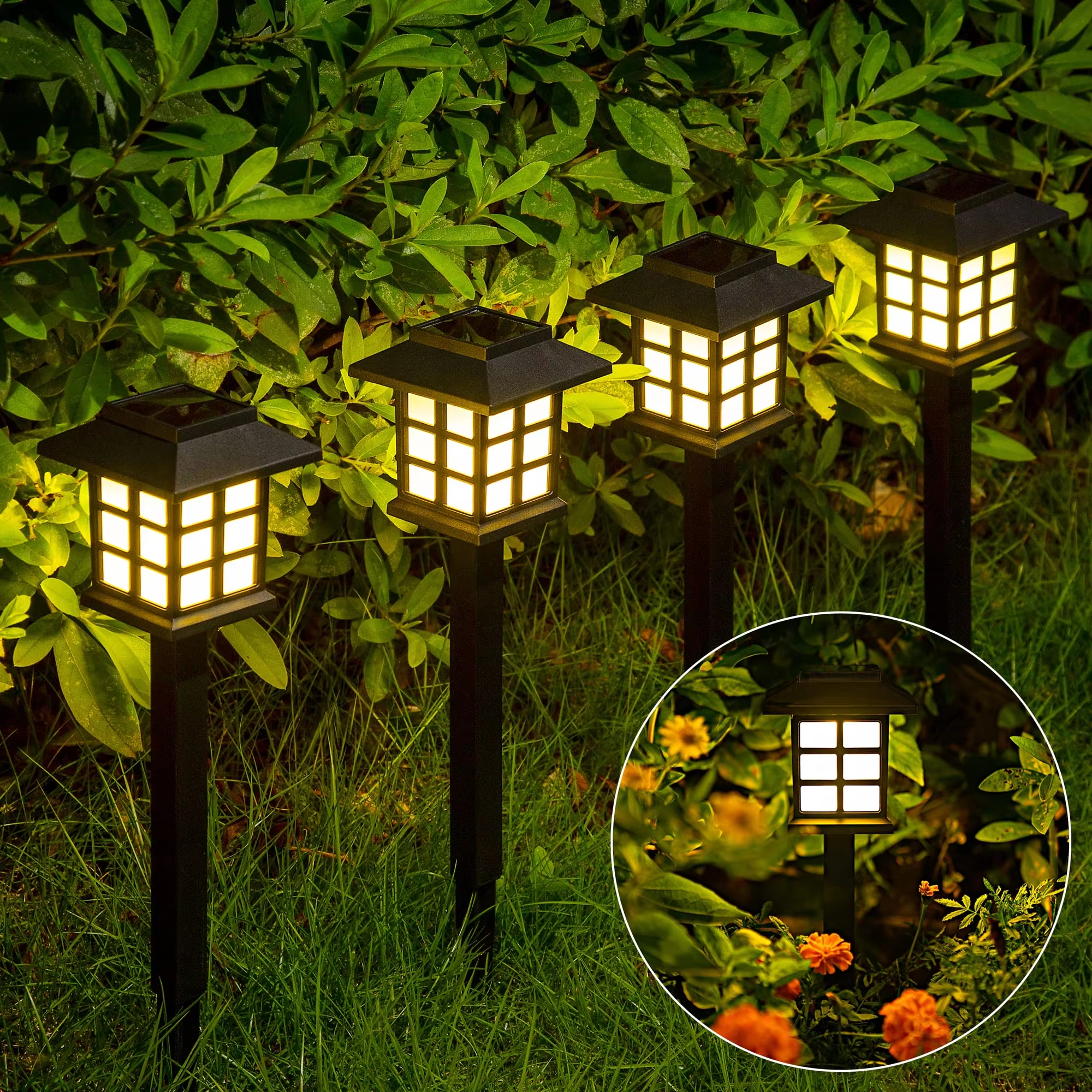
Perceived vs. Actual Performance of LED Solar Lawn Lights
Phenomenon: Widespread skepticism despite growing sustainability demands
According to a recent survey by the Green Landscape Developers Coalition in 2023, around two thirds of commercial landscapers are still on the fence about switching to LED solar lawn lights. Their main worries? The lights might not stay bright enough or work reliably through the night. Interestingly, most property managers report feeling pushed harder than ever to hit those green building targets set by corporations. Yet somehow, these sustainability goals aren't translating into real world changes when it comes to outdoor lighting choices across many properties.
Principle: Bridging the gap between perception and real-world performance
Today's commercial grade LED solar lights can produce anywhere from 3,000 to 4,500 lumens which is pretty much the same brightness as old fashioned 40 watt halogen bulbs. This impressive performance comes down to three main improvements. First, there are these LiFePO4 batteries that keep about 85% of their power even after going through 1,500 charge cycles. Second, we've got this smart dimming feature that actually makes the lights last longer when days get shorter in winter time. And third, those shiny monocrystalline solar panels convert sunlight into electricity at around 22.8% efficiency rate. If installed correctly, these lighting systems will reliably shine for about 12 hours each night without fail. The problem? Most people don't bother checking all these technical specs before buying. Studies show that barely one out of four customers actually looks at this information during the purchasing process.
Case Study: A commercial property manager’s failed pilot with low-tier LED solar lawn lights
Back in 2022, one of those big office parks out west decided to put down 140 budget friendly solar lights along their parking areas at around $89 apiece. Things didn't go so well though. By the end of eight months, almost half (that's 47%) showed significant light loss, while no fewer than 32 units simply quit working altogether during those brutal -15 degree Fahrenheit winters. The brightness levels also fluctuated quite a bit across different parts of the property, sometimes varying as much as 22%. When they finally did an inspection, it turned out these cheap models were using old fashioned lead acid batteries and those less efficient polycrystalline panels rated at only 14% conversion rate. These components had actually been specifically ruled out in the original request for proposals, which means there was a pretty major disconnect between what was promised and what actually got installed on site.
Misinformation in the solar powered lighting market affecting commercial buyer confidence
According to the Solar Lighting Manufacturers Association report from last year, nearly two thirds of products advertised online as "professional grade" don't actually have any third party backing for those claims. What's going on? Well, look at some common tricks manufacturers pull - almost half boost their IP ratings beyond what's real, around a third make up equivalent wattage numbers, and another third just leave out all the details about how many times these things can be charged before they fail. This misinformation leads to problems down the road. Lights installed near saltwater or in spots with limited sunlight tend to break down faster than expected, and whole areas end up dangerously dark because the lighting isn't sufficient. No wonder then that over half of businesses still go with traditional wired options despite what the tests show. Certified solar products have lasted an incredible 80,000 hours in lab conditions, but most decision makers aren't seeing this evidence when shopping for their next installation.
Upfront Costs, ROI, and Long-Term Value of LED Solar Lawn Lights
Comparison Between Solar and Traditional LED Lighting: Debunking Upfront Investment Misconceptions
Most people think going with traditional wired LED systems saves money at first glance, but they're missing out on big savings when it comes to installation with solar options. The cost of digging trenches for wiring can really add up fast. We're talking anywhere between thirty five to seventy five dollars for every linear foot according to the Department of Energy report from last year. Sure, solar lighting units might cost around twelve hundred dollars each initially, which is definitely more than some folks expect to pay upfront. However, these systems don't require monthly electricity bills like their wired counterparts do. When looking at total costs over ten years, most wired installations end up costing closer to two thousand five hundred dollars per light fixture. So even though solar has a bigger sticker price right now, the long term financial picture tells a different story altogether.
Return on Investment (ROI) Over Time for Commercial Landscape Lighting
High-efficiency solar LED systems achieve payback in 3–5 years through energy savings and reduced maintenance:
| Factor | Solar LED Lawn Lights | Wired LED Systems |
|---|---|---|
| Annual Energy Costs | $0 | $420/unit |
| Maintenance Frequency | 18–24 months | 6–12 months |
| Avg. Lifespan | 12–15 years | 8–10 years |
For a 50-light commercial project, eliminating energy costs alone saves $126,000 over 10 years at current utility rates.
How Component Quality Impacts Long-Term Value and Durability
Tier-1 components extend system longevity by 68% versus budget models:
- Lithium Batteries: Deliver 2,000+ charge cycles (7–10 years) compared to 800 cycles (3–4 years) in lead-acid variants
- Monocrystalline Panels: Retain 90% efficiency after 10 years, outperforming polycrystalline panels (65%)
- IP67-Rated Housings: Reduce weather-related failures by 81% versus IP54 enclosures
This performance gap explains why 72% of landscape contractors report fewer service calls with premium solar LED systems (National Association of Landscape Professionals 2023).
Environmental and Operational Challenges: Weather and Battery Performance
Weather Dependency of LED Solar Lawn Lights in Northern Climates and Shaded Sites
When it gets below freezing, lithium ion batteries just don't perform as well as they do in controlled lab conditions. The 2024 Solar Infrastructure Report actually shows these batteries lose around 30 to 40 percent efficiency in cold weather. For folks living in colder areas or places where solar panels get shaded all day long, like next to tall buildings or under thick trees, there's another problem. Systems that only catch about four hours of direct sun each day might see their light output drop by half. This makes the whole system unreliable unless designers make some smart changes to compensate for these real world conditions.
Performance During Prolonged Overcast Periods: Real Limitations and Solutions
Most standard solar lights offer 3–5 days of autonomy, but commercial sites often require seven or more. To close this gap, advanced systems use higher-capacity batteries, more efficient panels, and intelligent dimming modes:
| Component | Standard Systems | Commercial-Grade Solutions |
|---|---|---|
| Battery Capacity | 20,000 mAh | 36,000 mAh |
| Panel Efficiency | 18% | 23% |
| Light Output Buffer | 80% of maximum | 60% of maximum (energy save mode) |
Modular battery arrays allow scalable storage upgrades during cloudy seasons without replacing entire fixtures.
Battery Degradation Trends After 18–24 Months in Commercial Applications
Field data from a 2023 Lithium Battery Aging Study shows accelerated degradation in demanding conditions:
- Capacity retention drops to 78% after 18 months under weekly discharge cycles
- Charge efficiency declines 22% in freezing climates versus 12% in controlled labs
- Terminal corrosion occurs at triple the rate in coastal zones
These findings underscore the importance of selecting climate-appropriate battery chemistries rather than relying on one-size-fits-all solutions marketed for broad commercial use.
Are Manufacturers Overstating Battery Lifespan Claims?
The manufacturers claim their batteries last anywhere from 5 to 7 years, but data collected across 112 different commercial installations tells another story. About 42 percent actually need replacing after just three years in service. Why the gap? Well, most lab tests happen under controlled conditions where temperature stays steady at around 20 degrees Celsius and the battery cycles once per day. Real life isn't so predictable though. Temperatures swing wildly depending on location, and how people actually use these systems varies day to day. That's why we're starting to see independent verification programs pop up recently. These groups test batteries exactly as they'd be used in the field, giving consumers clearer information about what to expect when they buy into these products.
Durability, Brightness, and Quality Variance in Commercial-Grade LED Solar Lights
Commercial-grade LED solar lawn lights vary significantly based on component quality and manufacturing standards. While they offer sustainable illumination for pathways, parking lots, and public spaces, inconsistent product tiers confuse professionals about what qualifies as dependable performance.
Common Misconceptions About Brightness and Reliability in Professional Landscapes
Quite a few contractors still think solar lights just don't cut it when it comes to brightness compared to traditional wired models. But look at what's happening these days with quality commercial solar products—they can put out between 1800 to 3000 lumens, which actually matches what most standard low voltage systems deliver. According to research published last year by the Outdoor Lighting Efficiency Consortium, around two thirds of industry pros tend to think they need way more light than they really do for security purposes, usually going for super bright (and expensive) wired solutions that end up being overkill. When people complain about solar reliability problems, it's rarely the solar technology at fault. More often than not, folks mix and match components incorrectly. Take those bright LED bulbs and pair them with tiny batteries? No wonder the lights start fading fast and give up sooner than expected.
How LED Chipsets and Solar Panel Efficiency Vary by Product Tier
Performance differences stem directly from core component choices:
| Component | Entry-Tier | Professional-Grade |
|---|---|---|
| LED Chipsets | 50W generic SMD | 100W Philips Lumileds |
| Solar Panels | 15% efficiency | 22% monocrystalline |
| Battery Chemistry | Lead-acid (500 cycles) | LiFePO4 (2,500 cycles) |
As a result, budget lights degrade to 60% brightness within 12 months (Solar Lighting Institute 2022), while professional-grade units maintain 90% output for five years or more, even in harsh environments.
Industry Paradox: High Demand for Sustainability vs. Rejection of Eco-Friendly Lighting
The latest data from the National Association of Landscape Professionals shows something interesting: while around 73 percent of landscapers say they care about going green, nearly 60 percent still aren't jumping on board with solar lighting options. Why the gap? Many professionals remember those early days when cheap solar lights just didn't work right. About 4 out of 10 landscapers can point to actual projects where these budget-friendly fixtures failed completely, leaving clients unhappy and creating real doubts about solar technology. But there's hope for change. Landscapers working with companies that have proper ISO certifications tend to see much better results. These partnerships lead to roughly 89 percent customer satisfaction rates, which makes sense because when manufacturers actually focus on quality, their products perform well enough to satisfy both the environmental angle and the practical needs of landscape design work.
Solar vs. Low-Voltage Lighting: Making the Right Choice for Commercial Projects
Performance, Installation, and Lifecycle Cost Analysis: Solar vs. Low-Voltage Lighting
Solar LED systems eliminate trenching costs—averaging $50–$75 per linear foot for wired installations—and incur no ongoing energy expenses. In contrast, low-voltage systems deliver consistent brightness (1,200–3,000 lumens) and operate uninterrupted during extended overcast periods. Key comparisons include:
| Factor | LED Solar Lawn Lights | Low-Voltage Lighting |
|---|---|---|
| Installation Cost | $0–$2k (site dependent) | $4k–$15k (trenching included) |
| Energy Cost (10-year) | $0 | $1,200–$3,500 |
| Lifespan | 8–12 years (battery-dependent) | 15+ years (wired infrastructure) |
| Cloudy Day Operation | 72 hrs (high-end systems) | Unlimited |
When Solar Outperforms Wired Systems: Examples from Remote Site Installations
A 2023 Landscape Lighting Institute study showed solar-powered LEDs cut maintenance costs by 63% in remote areas like trail networks and rural parking lots. At a Wyoming ranch compound, solar avoided $28,000 in trenching fees and maintained operation during frequent grid outages, proving superior resilience in off-grid applications.
Strategic Integration: Hybrid Models Combining Solar and Grid-Tied LED Lighting
Increasingly, forward-thinking landscapers combine technologies: using solar for perimeter pathways and low-voltage LEDs for high-traffic entryways. This hybrid approach balances sustainability with reliability, achieving 18–24% faster ROI than single-system deployments according to 2024 commercial lighting benchmarks.
FAQ
What is the main concern of landscapers regarding LED solar lawn lights?
Landscapers are mainly concerned about the brightness and reliability of LED solar lawn lights during nighttime.
How do LED solar lawn lights compare to traditional halogen bulbs in terms of brightness?
Commercial-grade LED solar lights produce between 3,000 to 4,500 lumens, equivalent to traditional 40-watt halogen bulbs.
Why do budget LED solar lights often fail?
Budget LED solar lights often fail due to poor quality components such as lead acid batteries and polycrystalline panels with low efficiency.
How do solar LED systems offer economic advantages over traditional wired systems?
Solar LED systems eliminate trenching costs and incur no ongoing energy expenses, offering long-term savings despite higher initial costs.
What is a strategic approach for integrating solar and grid-tied LED lighting?
A hybrid approach using solar for perimeter pathways and low-voltage LEDs for high-traffic entryways achieves faster ROI and balances sustainability with reliability.
Table of Contents
-
Perceived vs. Actual Performance of LED Solar Lawn Lights
- Phenomenon: Widespread skepticism despite growing sustainability demands
- Principle: Bridging the gap between perception and real-world performance
- Case Study: A commercial property manager’s failed pilot with low-tier LED solar lawn lights
- Misinformation in the solar powered lighting market affecting commercial buyer confidence
- Upfront Costs, ROI, and Long-Term Value of LED Solar Lawn Lights
- Environmental and Operational Challenges: Weather and Battery Performance
- Durability, Brightness, and Quality Variance in Commercial-Grade LED Solar Lights
- Solar vs. Low-Voltage Lighting: Making the Right Choice for Commercial Projects