EN
EN

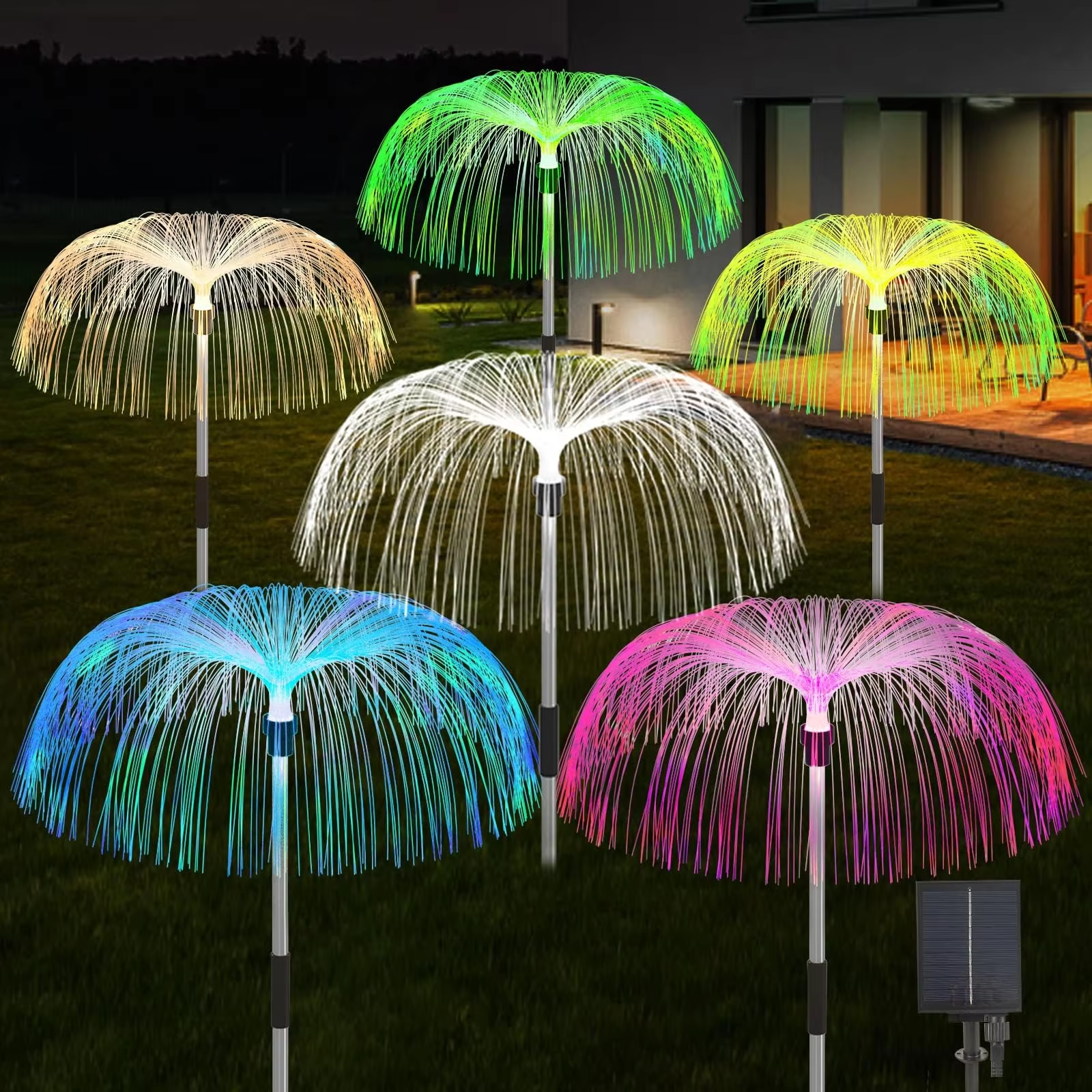
Energy Independence and Environmental Benefits of Solar Outdoor String Lights
How Solar Lights Provide Energy Independence from the Grid
Outdoor solar string lights work by capturing sunlight with those little solar panels, so they don't need to be connected to the main electricity grid. Grid powered versions are different because they involve all sorts of complicated wiring and can stop working during power cuts. Solar lights just keep going regardless. For people living far from town centers or in places where the power supply isn't always dependable, this makes a big difference. No digging trenches or getting permission from local authorities means installation becomes much simpler for property owners. Plus, these lights help protect against both increasing utility bills and problems with aging infrastructure that we've seen across many regions lately.
Reducing Carbon Footprint: Solar vs. Grid-Powered Outdoor String Lights
Outdoor string lights connected to the power grid actually create greenhouse gases because they pull electricity from utility companies that still rely heavily on fossil fuels. Switching to solar powered versions can slash carbon dioxide emissions anywhere between 80 to 100 percent each year, though this number changes based on what kind of energy sources dominate in different regions. When someone replaces about ten regular lights with solar alternatives, it's like adding twelve fully grown trees to absorb carbon every single year according to those EPA calculations we all hear about. Plus, going solar means no need for that wasted energy that happens when electricity travels across hundreds of miles through transmission lines before reaching our homes.
Sustainability Comparison: Solar versus Battery-Operated Lighting Lifecycle
Solar outdoor string lights outperform battery-operated alternatives in longevity and material efficiency:
| Factor | Solar-Powered | Battery-Operated |
|---|---|---|
| Battery Lifespan | 2–5 years (rechargeable) | 3–12 months (disposable) |
| Waste Generation | 1 landfill contribution per 5+ years | 4–10 disposables yearly |
| Resource Recovery | 90% recyclable components | 30% recyclable (avg.) |
Solar designs prioritize durable, low-maintenance materials like tempered glass and ABS plastic, reducing landfill contributions over their 8–12 year lifespans.
Cost Savings and Long-Term Value of Solar-Powered Outdoor String Lights
Upfront Cost vs. Long-Term Savings in Solar vs. Grid-Powered Lights
Solar powered outdoor string lights generally come with a price tag about 20 to 40 percent higher than those plugged into regular electricity, but what people often forget is that there are no monthly bills to worry about after installation. According to research from the National Renewable Energy Laboratory back in 2023, most folks find these solar lights actually pay off pretty quickly when looking at what they save on power costs. We're talking around two to three years until the initial investment breaks even, whereas traditional lighting keeps adding between fifteen and thirty dollars every year to household electric bills. And here's something else worth mentioning the better quality solar panels paired with lithium batteries these days tend to stick around for five to seven years before needing replacement, which makes them much cheaper over time despite the higher starting cost.
Eliminating Electricity Bills With Solar Outdoor String Lights
Regular outdoor string lights plugged into the grid eat up around 12 to 18 kilowatt hours each month for most backyard installations. That's actually about what a fridge would need for the same period. Going solar changes things completely though. These systems rely on solar panels and built-in batteries instead, so they basically use zero electricity from the wall socket. If someone keeps their lights on for six hours every night, they could save anywhere between sixty five and a hundred ten dollars per year according to data from the U.S. Energy Information Administration in their 2024 report. And there's even better news for those looking to save money. Some models come equipped with smart sensors that automatically adjust how bright the lights are depending on whether anyone is moving around nearby. This means less wasted energy when nobody is actually outside enjoying them.
Durability and ROI: Why Solar Offers Better Value Over Time
Today's solar powered outdoor string lights can handle extreme weather conditions from as cold as -22 degrees Fahrenheit all the way up to 140 degrees, plus they have solid IP65 water resistance. These beat most regular plug-in models which tend to rust at electrical outlets over time. The LED bulbs last really long too about 25 thousand hours, which is roughly seven times longer than traditional light bulbs. Even after fifteen years of use, these solar lights still shine at around 80 percent of their original brightness. According to a recent study by Consumer Reports in 2024, people who install solar lighting systems typically see about triple their investment back within ten years if they calculate savings on electricity bills and not having to replace burned out bulbs so often.
Easy Installation and Flexible Placement Advantages
No Wiring Needed: Simple Setup for Solar Outdoor String Lights
Outdoor solar string lights take all the hassle out of dealing with electricity since they don't need to be connected to the power grid. No need to call an electrician or dig up yards for wires anymore. Just push the stakes into the soil or attach them to walls and fences with what comes in the box. The whole setup is so straightforward that most people can install these lights in about a quarter of the time it would take for traditional wired options. A recent study looking at how efficient solar lighting actually is backs this up too.
Portability and Repositioning Benefits Over Grid-Powered Options
Solar outdoor string lights have a major advantage over those hardwired systems since they can just be moved around whenever needed. Want to rearrange your backyard for summer parties? No problem moving those lights from the patio to the garden walkway without dealing with all that messy wiring. And this adaptability really shines during different seasons too. Put extra strings around Christmas trees in December, then move them back to highlight spring blossoms come April. The best part? These solar powered options don't need an electrical outlet nearby. That means people can hang lights anywhere they want, even out by the pool or deep into the woods where regular lights simply won't work.
Lower Maintenance and Smarter Operation Compared to Battery-Operated Lights
Minimal Upkeep: No Outlet Dependency or Frequent Replacements
Outdoor string lights powered by solar energy get rid of those pesky electrical outlets and disposable batteries we all hate dealing with. According to some research from the National Renewable Energy Lab back in 2023, this switch actually cuts down on maintenance headaches by around 72% when compared to old fashioned models. No more running around replacing batteries every month or fighting with hard to reach outlets that grid based systems require. People who have made the switch report far fewer problems keeping their lights going through bad weather or power outages. Plus, components such as LED bulbs and internal circuits tend to last about 30% longer too, which makes sense since there's less strain on them over time.
Rechargeable Batteries in Solar Lights vs. Disposable Batteries in Traditional Models
Solar lights with built-in lithium-ion batteries get charged every day, which means no need for those 18 to 24 AA or AAA batteries that would otherwise end up in landfills each year for each light fixture. According to some research done back in 2022, homes that switched to solar lighting cut down on throwing away dangerous batteries by about 11 pounds annually. These solar powered systems tend to last around three to five years before they need replacing, whereas regular alkaline batteries start losing their power pretty quickly after just six months of normal usage, dropping around 20% capacity over time.
Cleaning, Charging, and Troubleshooting Tips for Optimal Performance
Maximize solar efficiency with three simple practices:
- Wipe panels weekly with microfiber cloths to maintain 95%+ light absorption
- Position fixtures where they receive 4+ hours of direct sunlight
- Reset charge controllers monthly to prevent voltage drops
Storage during extreme weather extends component life by 18–24 months, while most models self-diagnose charging issues via indicator lights.
Reliable Performance in Diverse Weather Conditions
Brightness and runtime: Solar vs. battery-operated outdoor string lights
Outdoor solar string lights keep shining bright all night long because they store sunlight during the day. Most folks can expect about 8 to 12 hours of light from a full charge. Battery operated versions tell a different story though. As those batteries run down, the lights get progressively dimmer until they barely glow at all. People usually end up replacing regular alkaline batteries every 10 to 15 days. According to research published in 2023 by NREL, solar powered options still hit around 85% of their original brightness after going through 500 charge cycles. The same tests showed that lights running on disposable batteries lost performance much quicker when exposed to cold weather or high humidity conditions.
Impact of sunlight availability on solar light charging and output
Solar powered garden lights work pretty well even when the weather isn't perfect, thanks to those fancy monocrystalline panels that can still grab around 85% of available light on cloudy days according to some research from NREL back in 2023. Some newer models come with adjustable angles so they face whatever sun there is, plus special systems that catch reflections off surfaces, giving folks living in darker areas about an extra hour and a half of charging time. Sure, full sunshine is best for charging, but people who live up north don't need to worry too much. With good installation angles and snow proof designs, most homes should get between five to eight hours of light each day throughout the winter months of November through February.
Weather-resistant designs and smart features enhancing reliability
Leading manufacturers equip solar outdoor string lights with IP65-rated housings that withstand -22°F to 140°F temperatures and 50 mph winds. Smart systems automatically:
| Feature | Solar-Powered | Battery-Operated |
|---|---|---|
| Weather Resistance | IP65 standard | IP44 average |
| Automatic On/Off | Light & motion sensors | Manual switches |
| Temperature Compensation | Winter-mode brightness | Reduced output in cold |
These innovations enable solar models to operate reliably for 2–3 years without performance dips, compared to 6–9 month lifespans for basic battery-powered alternatives.
FAQ Section
How do solar outdoor string lights work?
Solar outdoor string lights capture sunlight through solar panels and store it in built-in batteries. They don't require connection to the power grid and continue operating during power outages.
What are the environmental benefits of using solar outdoor string lights?
Switching to solar outdoor string lights can significantly reduce carbon dioxide emissions and eliminate energy losses associated with grid-powered systems.
Do solar lights require a lot of maintenance?
Solar lights require minimal maintenance, eliminating the need for frequent battery replacements and dependence on electrical outlets.
Are solar outdoor string lights expensive compared to other options?
Although solar lights have a higher initial cost, they offer long-term savings by eliminating electricity bills and offering durability and efficiency.
Table of Contents
- Energy Independence and Environmental Benefits of Solar Outdoor String Lights
- Cost Savings and Long-Term Value of Solar-Powered Outdoor String Lights
- Easy Installation and Flexible Placement Advantages
- Lower Maintenance and Smarter Operation Compared to Battery-Operated Lights
- Reliable Performance in Diverse Weather Conditions
- FAQ Section