EN
EN

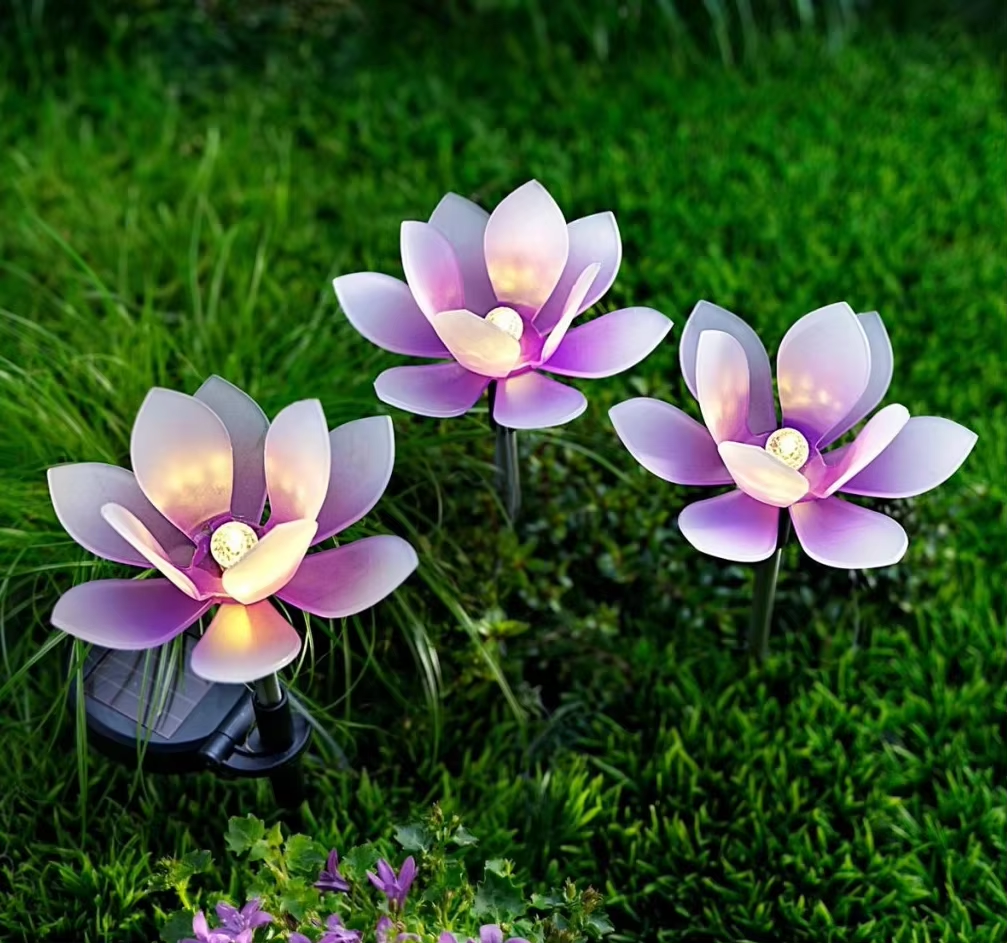
How Solar Garden Statues Work: Understanding the Technology
The role of photovoltaic cells in solar statues
At the heart of those solar garden statues sit photovoltaic cells, which turn sunlight straight into electricity via what's called the photovoltaic effect. Basically, when light particles hit the silicon layers inside these cells, they knock loose electrons around, creating electrical current. Good quality solar panels typically convert about 15 to 22 percent of available sunlight into usable power under perfect weather conditions. But things get trickier when clouds roll in since there aren't as many photons hitting the panels. Interestingly enough, monocrystalline silicon cells tend to work better than their polycrystalline counterparts even when it's not sunny outside. They manage to catch more of the light spectrum, including some infrared wavelengths, making them quite handy for days with partial cloud cover. Once generated, this direct current needs to go through a charge controller before reaching the battery, where it gets regulated so nothing gets damaged from too much voltage.
Battery storage and energy management in low light
The rechargeable batteries serve kind of like a middleman between collecting sunlight and actually lighting things up at night. Most people go with lithium-ion or nickel metal hydride options these days, usually somewhere around 600 to 2000 mAh capacity. These little power packs can hold extra juice collected during the day, which generally lasts about 8 to 10 hours once it gets dark outside. When there's not enough sun coming in, smart controllers kick in to manage things better. They'll cut back on LED brightness anywhere from 30% down to 70% if the solar panels are getting less than 100 watts per square meter. This clever adjustment keeps lights working even when clouds roll through occasionally. But let's face it, nobody wants their garden statue sitting in darkness all day long because of bad weather. That's why good positioning matters so much, along with regular maintenance checks to make sure everything still works properly after weeks of gray skies.
Performance of Solar Garden Statues on Cloudy Days
Do solar statues stay lit when sunlight is limited?
Garden solar statues stay on even when clouds roll in, just not as bright and for shorter periods. The panels inside these garden decorations actually grab some light through cloud cover, although they only produce around half what they would on a sunny day. How long they last depends mostly on how much power gets stored in their batteries first. After getting only partial charge from several days of gray skies, most will start to fade or turn off completely sooner than expected. People who have tested this stuff in actual gardens notice that better quality models with larger battery packs tend to hold up much better during those endless rainy spells compared to cheaper alternatives.
Impact of cloud density and daylight duration on output
The amount of cloud cover and how long the sun shines during different seasons really matters when it comes to charging these devices. When thick storm clouds roll in, they can stop about 80 to 90 percent of sunlight from reaching panels, which cuts down on energy collection quite a bit. Even light cloud cover still blocks around 20 to 40 percent of sunlight, leaving batteries barely charged at all. Things get even trickier in winter months because there simply aren't as many daylight hours available for charging. This creates what some might call a "double problem" for keeping batteries topped up. Imagine a garden statue getting hit with only five hours of feeble winter sunshine each day - chances are good it'll only have enough juice to run for two hours after dark. To make solar garden decorations work better on cloudy days, manufacturers need to design them smartly. Panels should be angled properly to catch whatever light is available, and components must tolerate low light conditions without completely failing.
Factors That Affect Solar Statue Efficiency in Low Light
Panel quality and orientation for maximum exposure
Monocrystalline solar panels really shine when light levels drop, generating around 20 percent more power compared to those polycrystalline ones we see so often. Getting the positioning right matters a lot too. Facing them south works best here in the northern part of the world, and angling between thirty to forty five degrees helps catch that precious sunlight, particularly important back in winter when daylight hours shrink. The better models come with these special coatings that keep dust and pollen from settling on the surface. Without this feature, energy production drops by roughly fifteen percent on overcast days alone. That makes quite a difference over time, especially for homeowners looking to maximize their return on investment despite variable weather conditions.
Battery capacity and its role in sustaining nighttime glow
The size of the battery really affects how long those garden statues stay glowing when there's not much sun around. Most good quality ones come with lithium-ion batteries rated around 2000mAh or higher, which usually gives them somewhere between 8 to 12 hours of light after being fully charged. But if we get several days of clouds in a row, that runtime drops off pretty fast. Some newer models have smart features that automatically adjust brightness levels based on available power, so they don't drain the battery as quickly when energy gets low. Anyone living in places where they only get about 4 hours of decent sunlight each day should seriously consider getting a model with extra battery capacity. Going for something with at least 30% more power than what's listed as the minimum requirement makes all the difference in maintaining reliable operation through those gray winter months.
Design features that enhance cloudy-day performance
Engineering smart solutions makes these systems much tougher during cloudy days. Reflectors help grab whatever light is available, and those removable solar panels can be moved to catch more sunlight where possible. The casings are rated IP65 for water resistance, so rain doesn't mess with their performance. Top performing units come equipped with PIR motion sensors that turn lights on only when someone walks by, which saves a lot of power over time. Most setups have adjustable mounts too, letting them tilt according to seasons as the sun moves lower in winter months, keeping the panels charged properly throughout all four seasons.
Tips to Maximize Solar Garden Statue Performance Year-Round
Proper placement and maintenance ensure consistent performance across seasons.
Optimal placement for consistent sun exposure
Face solar panels south to capture maximum daylight. Remove shading from trees or structures. Adjust panel angles seasonally to align with the sun’s path. These steps significantly improve low light solar charging efficiency.
Regular maintenance to ensure panel efficiency
Clean panels monthly with soapy water to remove dust and pollen. Inspect connections for corrosion and replace worn batteries promptly. Well-maintained units deliver longer nighttime glow, even during extended cloudy periods.
FAQ
How do solar garden statues work?
Solar garden statues use photovoltaic cells to convert sunlight into electricity. The electricity is stored in rechargeable batteries, which power the lights at night.
What happens to solar statues on cloudy days?
Solar statues still operate on cloudy days but with reduced brightness and shorter durations, as cloud cover limits the sunlight reaching the panels.
Is positioning important for solar statues?
Yes, proper positioning is crucial to maximize sunlight exposure. Ideally, panels should face south and be angled appropriately.
Can solar garden statues work during winter months?
Solar garden statues can work in winter but may have a reduced runtime due to limited daylight hours. Smart battery and panel designs help improve performance.
How often should solar panel maintenance be performed?
Monthly maintenance is recommended to clean panels, check connections, and replace worn batteries to ensure optimal performance.