EN
EN

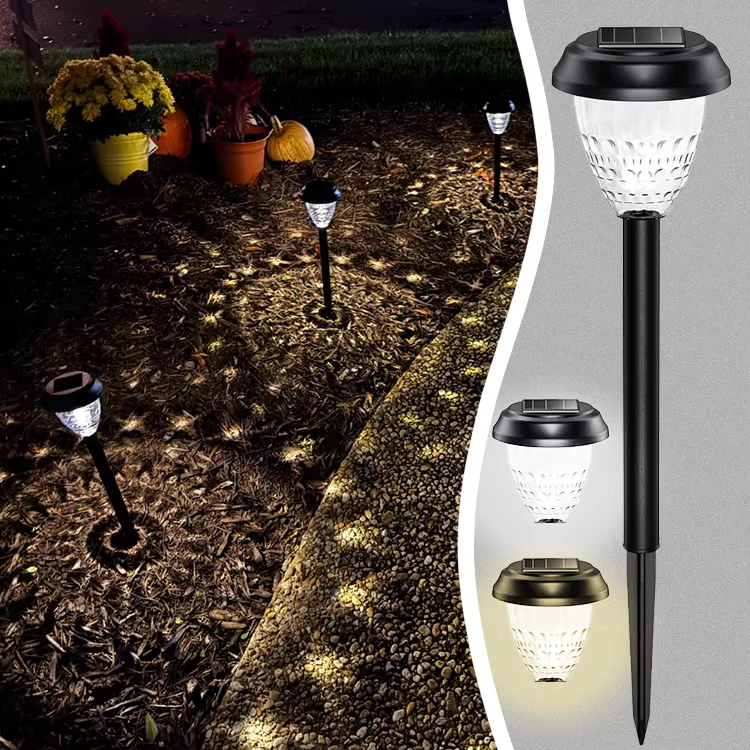
Educating Consumers: How Content Marketing Simplifies Solar Powered Garden Decor
When it comes to solar garden decorations, there's quite a bit to consider technically speaking. Things like how well the panels convert sunlight and whether they'll hold up against rain or snow can really confuse people shopping for these items. Good content marketing actually helps break down all those complicated specs into something practical that folks can understand and apply right away. According to Renewables Journal from last year, around seven out of ten homeowners want straightforward info before buying solar products. That makes sense because nobody wants to waste money on something that doesn't work properly once installed outside.
Demystifying solar powered garden lighting through clear, accessible content
Explaining lumen output, battery storage, and placement optimization through comparison tables and visual guides helps consumers avoid underperforming products. For example:
| Feature | Impact on Performance | Consumer Consideration |
|---|---|---|
| Battery Type | Determines nighttime duration | Lithium-ion lasts 2x longer than NiMH |
| IP Rating | Weather resistance | IP65 withstands heavy rain |
| Panel Efficiency | Charging speed | 20%+ efficiency recommended for shade |
This approach reduces confusion, with 68% of buyers reporting higher confidence after engaging with educational blogs (Green Tech Survey 2023).
Using storytelling to promote solar energy adoption in outdoor spaces
Case studies showcasing real gardens—like a shaded urban patio achieving all-night illumination—help homeowners visualize benefits. Narrative-driven content highlighting cost savings (e.g., "$0 electricity costs for pathway lighting") makes renewable advantages tangible, increasing adoption intent by 41% according to sustainability reports.
Building trust with transparent and educational solar decor information
Disclosing limitations—such as reduced winter performance—builds credibility more effectively than promotional messaging. Guides comparing product lifespans and maintenance needs establish brands as reliable advisors, with 79% of consumers prioritizing transparency in solar purchases (Consumer Trust Index 2023).
Engaging Eco-Conscious Gardeners Through Targeted Content Strategies
Creating meaningful engagement with content that resonates with sustainable lifestyles
Content marketing for solar powered garden decor education thrives when it aligns with eco-conscious values. Research shows 78% of sustainable gardeners actively seek brands that share their environmental priorities. Effective strategies include:
- Showcasing real-life solar lighting installations in urban gardens
- Highlighting carbon footprint reduction through renewable energy adoption
- Featuring seasonal maintenance guides that emphasize longevity
These approaches build authentic connections by demonstrating practical sustainability. Educational content should quantify benefits clearly—for instance: “Properly placed solar path lights eliminate 3kg of CO₂ emissions annually per household.” This data-driven storytelling resonates deeply with environmentally aware audiences.
Email nurture campaigns: Delivering value-driven solar education over time
Segmented email sequences provide ongoing solar education while nurturing leads. A tiered approach works best:
- Beginner series: Solar basics and installation tips
- Intermediate content: Weatherproofing and winter care
- Advanced resources: Integrating solar decor with native plantings
Campaigns should prioritize actionable advice over sales pitches. One effective tactic is linking to interactive tools like sun exposure calculators—positioning solar garden decor as part of a holistic sustainable lifestyle. Open rates increase 40% when emails focus on solving specific gardening challenges.
High-Impact Content Formats for Solar Garden Decor Education
Blogs, Infographics, and Videos: Choosing the Right Format for Solar Messaging
Choosing the right format really matters when it comes to teaching people about solar energy. Short blog posts work great for answering quick questions most folks have first thing in the morning before they even think about installing panels. These short reads typically cover stuff like where exactly to place solar panels so they get the most sunlight throughout the day. Infographics are amazing at turning those complicated numbers about light output into something anyone can understand at a glance. And let's face it, nobody wants to watch a long tutorial these days. That's why videos shorter than 90 seconds tend to do best showing how to actually install equipment while viewers see results happen right before their eyes. According to research published last year by the Green Energy Council, materials that involve interaction grab attention around 47 percent better than just reading plain text on screen. The trick is knowing what people need when they come looking for information. If someone has a problem with their existing setup, a blog post with step-by-step fixes works wonders. Want to compare different models? An infographic will make all those specs easy to digest. And nothing beats watching someone else successfully install a system through a short video demonstration.
Educational Videos That Highlight the Benefits and Use of Backyard Solar Lighting
Solar panels get adopted faster when people see them in action through videos. Time lapse footage really shows how these systems hold up against storms and harsh weather conditions. Split screen stuff works great too, showing side by side just how much money folks save compared to regular lights. Garden installation guides help a lot since many folks worry about installing themselves. Surveys show around two thirds of new customers have installation anxiety. When making videos, it helps to focus on three main areas. First, creating nice lighting at night. Second, security improvements with those motion sensors that turn lights on automatically. Third, being able to adjust settings for different seasons. Don't forget to put captions on the videos so they work well in apartments or other shared living situations where volume matters.
Adding Value Without the Pitch: Informative Content That Guides Buying Decisions
How to choose solar garden lights: Creating decision-supporting blog content
When it comes to content marketing for solar powered garden decorations, the best strategies focus on helping customers make informed choices rather than just pushing sales. Brands that create thorough comparison guides between different types of solar panels, like monocrystalline versus polycrystalline options, really stand out from competitors. These guides often break down things like how well they withstand rain and snow, plus their brightness levels at various price points. Garden blogs that look at where people actually install these lights make a big difference too. Some folks want to light up walkways so they can find their way at night, while others prefer subtle accent pieces around flower beds or water features. The whole point is turning vague information into something practical that gardeners can apply directly to their own outdoor spaces instead of getting lost in general recommendations.
| Decision Factor | Content Focus Area | Consumer Benefit |
|---|---|---|
| Technical Specs | Battery life comparisons | Avoids premature replacements |
| Environmental Fit | Regional sunlight analysis | Prevents underperformance |
| Aesthetic Alignment | Style vs. function balance | Ensures design cohesion |
Educational content structured this way reduces purchase hesitation by addressing core questions: How do I balance brightness with energy savings? Which materials withstand coastal humidity? By omitting sales language and focusing on comparative metrics, blogs become trusted decision tools that organically guide readers toward informed investments.
Interactive and Myth-Busting Content to Strengthen Solar Education
Interactive tools and resource centers for hands-on solar learning
When homeowners get involved with interactive solar calculators, design tools, or AR apps, it makes those vague ideas about solar power feel real and practical. With these digital helpers, people can actually see where solar garden path lights might work best in their yards based on how much sunlight hits different areas, or figure out what kind of money they could save over time. Learning this way really sticks better than just reading about solar panels in brochures or websites. Getting hands on with the process helps build trust in going solar because it tackles those nagging questions about where things fit and how complicated installation actually is. These are big hurdles for anyone thinking about adding solar elements to their outdoor space.
Debunking myths about solar light performance and reliability
Many people still think solar garden lights won't work in places that get lots of clouds, or believe they'll die after just one season outside. These kinds of misunderstandings really slow down adoption rates for solar decor items. The good news is content creators are fighting back against these wrong ideas. They talk about new lithium phosphate batteries that actually keep around 80% of their power even after thousands of charges. And they explain that today's solar panels can collect light on overcast days too, not just when the sun shines bright. When teachers tackle questions about how well these lights perform during winter months with actual test results from different regions, they help break down false information. At the same time, this approach shows why solar remains a solid choice for anyone wanting eco friendly outdoor lighting options.
FAQ Section
What factors should I consider when buying solar garden lights?
Consider factors such as battery type, IP rating for weather resistance, and panel efficiency for charging speed.
How can solar panels work effectively in cloudy areas?
Modern solar panels can collect light even on overcast days, making them suitable for areas with frequent cloud cover.
Are solar garden lights reliable?
Yes, especially with advancements like lithium phosphate batteries and improved panel technology.
Table of Contents
- Educating Consumers: How Content Marketing Simplifies Solar Powered Garden Decor
- Engaging Eco-Conscious Gardeners Through Targeted Content Strategies
- High-Impact Content Formats for Solar Garden Decor Education
- Adding Value Without the Pitch: Informative Content That Guides Buying Decisions
- Interactive and Myth-Busting Content to Strengthen Solar Education
- FAQ Section