EN
EN

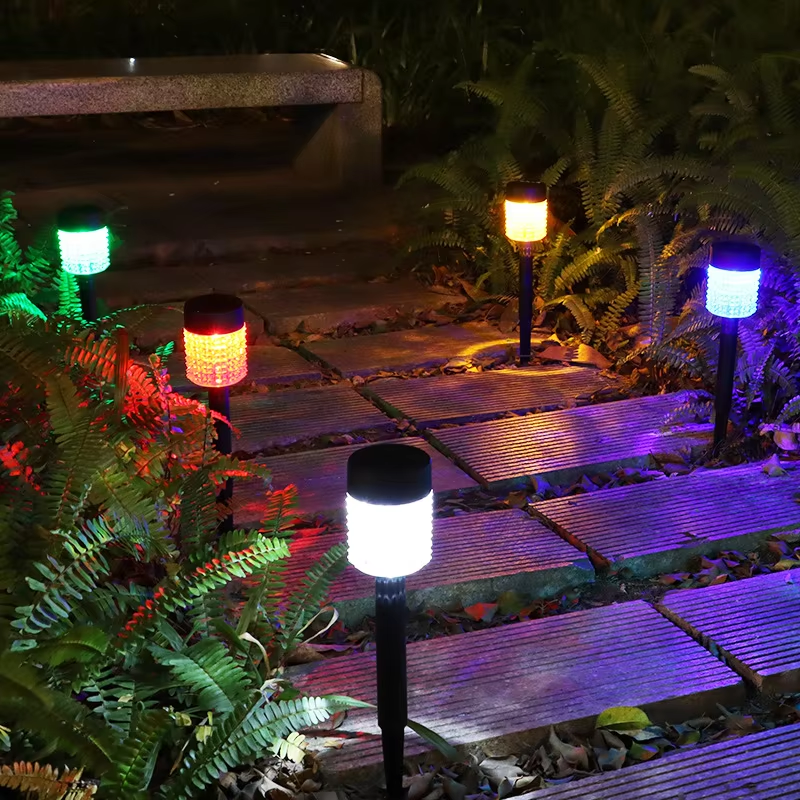
The Critical Role of Cobalt in Solar LED Light Batteries
How cobalt enables efficient lithium-ion batteries for solar LED lighting
Cobalt plays a critical role in making those high performance lithium ion batteries work for solar LED lighting systems. When we look at what happens at the atomic scale, cobalt ions help keep those layered cathode structures stable, especially in battery chemistries like NMC and LCO. This stability allows lithium ions to move consistently through the battery during charging cycles. What this means practically is that the battery maintains its structure even when stressed, which reduces dangerous oxygen release and improves thermal safety. Most importantly, these batteries can handle all those daily charge and discharge cycles that happen in real world outdoor conditions. According to some studies by the US Department of Energy, batteries with cobalt based cathodes actually store about 25% more energy compared to their cobalt free counterparts. That translates to longer periods of light output after each solar charge cycle, something that matters a lot for practical applications.
Cobalt’s impact on battery stability, performance, and lifespan
The strategic inclusion of cobalt delivers three measurable advantages for off-grid solar LED applications:
- Thermal stability: Cobalt-rich cathodes retain structural integrity up to 200°C—critical for installations in hot climates or enclosed fixtures
- Cycle longevity: NMC formulations support 2,000+ full charge-discharge cycles, effectively doubling the service life of cobalt-free LFP alternatives
- Voltage consistency: Maintains stable discharge voltage even under partial or intermittent solar charging—ensuring uniform LED brightness during cloudy periods
These attributes make cobalt indispensable where reliability, longevity, and maintenance access are constrained.
Balancing clean energy goals with material ethics in renewable applications
Cobalt makes those solar LED batteries work really well and last longer, but getting our hands on this metal comes with serious ethical problems. Most of the world's cobalt comes from the Democratic Republic of Congo, about 70% if we're being precise. And around twenty percent of that supply comes from small scale miners who often face terrible conditions and human rights abuses. The solar sector isn't standing still though. Companies are trying out different ways to source cobalt ethically now. Some track their supply chains using blockchain technology, others work only with mines certified by IRMA standards, while many follow guidelines set out by organizations like the OECD. All these initiatives show how clean energy projects can actually go hand in hand with making sure workers are treated fairly. Responsible cobalt usage doesn't have to mean sacrificing environmental goals or basic human rights.
Human Rights Abuses in Cobalt Mining: The DRC Emergency
Child labor and forced labor in artisanal cobalt mines in the Democratic Republic of Congo
The artisanal cobalt mines throughout the Democratic Republic of Congo continue to be plagued by serious human rights violations. Roughly forty thousand kids are working under dangerous conditions there, digging through shaky tunnels, getting exposed to poisonous materials without any safety gear, and sometimes facing outright threats. The adult workers aren't doing much better either, dealing with forced labor situations, constant fear from violent threats, and paychecks that barely cover basic needs. These small scale operations see injuries at about six times the rate found in properly regulated mines according to available data. Both Amnesty International and various UN reports have repeatedly referred to this situation as "blood cobalt," which casts serious doubt on environmental, social, and governance claims made by companies involved in manufacturing solar lights.
Social sustainability challenges in small-scale mining communities
Cobalt mining does more than exploit workers it also causes massive displacement and sparks violent conflicts in regions where it takes place. The growing need for batteries has led to around 6.9 million people being forced out of their homes in Congo since 2023. Many times, this happens when armed groups supported by money from minerals carry out violent evictions. When communities are pushed out, they lose not only their farms but also access to clean water and their means of making a living, which makes things even worse for already struggling populations. According to reports from organizations like Amnesty International, these kinds of practices destroy countless lives on a huge scale. For any talk about sustainable solar LED technology to be real, we need to tackle the broken systems and corruption behind these operations, not just focus on how well the technology works technically speaking.
Environmental and Health Consequences of Unethical Sourcing
Water contamination, soil degradation, and ecosystem damage from cobalt extraction
When cobalt mining goes unchecked, it really messes up ecosystems in several ways. We're talking about acid running out of mines, heavy metals like arsenic, lead and even uranium seeping into the ground, plus all the trees getting cut down. Groundwater around these sites has sulfate levels way over what the World Health Organization considers safe actually 15 times higher than their limits. This means people can't drink from those sources anymore, and fish populations are crashing because the water just isn't right for them. Just look at the Democratic Republic of Congo in 2022 when they lost about 1.2 million hectares of rainforest to expand mining operations. That kind of destruction speeds up how fast species disappear and creates massive amounts of sediment that ends up choking our rivers. What's ironic is that this kind of environmental harm stands directly against what solar lighting was supposed to achieve in the first place creating cleaner environments rather than tearing them apart through constant resource extraction.
Health risks for miners and nearby populations from toxic and radioactive exposure
When miners breathe in dust full of cobalt particles, they get this nasty condition called hard metal lung disease eight times more often than workers in other industries. The problem gets worse because uranium often comes out along with cobalt in the ore, which raises cancer risks for everyone nearby. Kids living near these mines who drink from contaminated water sources are showing signs of brain damage problems at around 37% higher rates compared to kids elsewhere. Most small scale miners don't have access to proper safety equipment anyway, so about six out of ten end up with skin issues after touching raw cobalt materials directly. All these health problems point to one thing: if we want truly conflict free cobalt for our lighting products, companies need actual rules and regulations backed by enforcement, not just nice sounding promises on paper.
Advancing Ethical Cobalt Sourcing in the Solar Lighting Industry
Supply chain transparency and traceability: Ensuring responsible cobalt procurement
With blockchain technology making it possible to track materials through the supply chain, solar lighting companies can finally see where their cobalt comes from all the way from mining operations to actual battery cells. Many top manufacturers are following guidelines set by organizations like the OECD for responsible mineral sourcing in conflict zones and risky regions. These guidelines come with independent checks looking at worker safety, environmental protection measures, and how companies interact with local communities. The ability to follow materials throughout production isn't just good ethics anymore it's becoming part of regular business operations. Companies that track their supplies this thoroughly tend to avoid problematic materials altogether, which saves them money in the long run while building better relationships with customers who care about ethical manufacturing practices.
Certification schemes and sustainable mining initiatives for ethical cobalt sourcing solar lights
Groups across the industry like the Fair Cobalt Alliance along with the Cobalt Institute's Responsible Assessment Framework have created real world standards for getting cobalt in an ethical way. These organizations do a lot on the ground level too. They teach small scale miners better safety practices, put money into building local clinics and schools, and work on systems where old batteries get recycled instead of ending up in landfills. Looking at numbers from the 2023 Responsible Minerals Initiative report shows something interesting: more than two thirds of big renewable energy companies are already involved in these kinds of efforts. This suggests that making improvements in how we source cobalt isn't just possible anymore but actually happening faster than many people expected.
Frequently Asked Questions
Why is cobalt important in solar LED light batteries?
Cobalt stabilizes layered cathode structures in batteries, enhances thermal safety, and allows longer periods of light output by storing more energy compared to cobalt-free counterparts.
What are the ethical concerns surrounding cobalt mining?
Major ethical concerns include child labor, unsafe working conditions, and human rights abuses in cobalt mining, particularly in the Democratic Republic of Congo.
How can cobalt be sourced ethically?
Cobalt can be sourced ethically by using blockchain to verify supply chains, supporting certified mines, and following guidelines from organizations like OECD and IRMA.
What are the environmental impacts of cobalt extraction?
Cobalt extraction can lead to water contamination, soil degradation, deforestation, and ecosystem damage, contributing to widespread environmental and health issues.