EN
EN

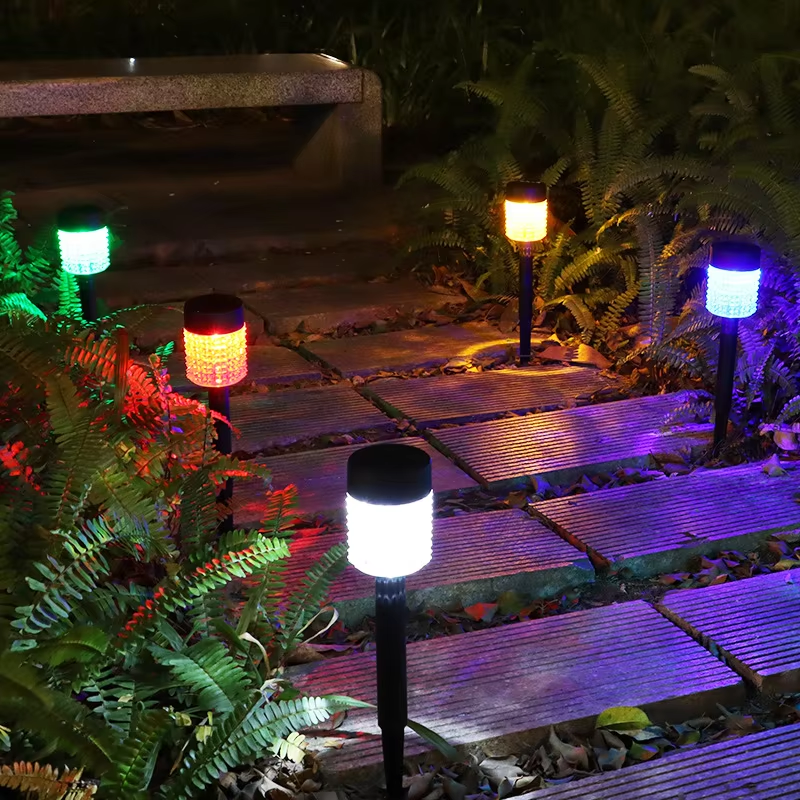
Manufacturing Complexity and Component Variability
Solar-powered decorations present unique quality control challenges due to intricate manufacturing processes and component interactions. The miniature scale of these products amplifies variability issues at multiple production stages.
Inconsistent solar cell performance across low-cost PV modules
Cheap solar panels tend to show pretty big differences in how well they work from one batch to another. Some tests by the Photovoltaic Reliability Group have found variations over 15% between different production runs. Why does this happen? Well, there are several factors at play here. The silicon used isn't always crystallized properly, recycled materials contain all sorts of impurities, and the thin film layers aren't calibrated correctly during manufacturing. These problems become really noticeable when the panels get installed inside those fancy looking cases that people want for their homes. Many of these decorative housings actually block part of the solar cells, making the inconsistent performance even worse. Standard quality control checks just don't catch these issues very often, leading to solar systems that charge batteries in ways nobody expects.
Tolerance stacking in miniature solar lighting assemblies
The compounding effect of microscopic dimensional variances becomes critical in solar lighting assemblies where components interact at sub-millimeter scales. Tolerances accumulate across tightly coupled elements:
| Component | Typical Tolerance Range | Impact When Stacked |
|---|---|---|
| Solar Cell Mount | ±0.3mm | Alignment issues with PV surface |
| LED Positioning | ±0.15mm | Light distribution variance |
| Battery Compartment | ±0.4mm | Connection reliability risks |
| Sealing Surfaces | ±0.25mm | Waterproofing integrity |
Tolerance stacking accounts for about 23 percent of field failures according to some durability research from the journal Reliability Engineering & System Safety. These tiny gaps let moisture get inside products, and small alignment issues mess with energy transfer too bad sometimes, even if each part passes testing on the bench. Statistical process control can reduce risks somewhat, but companies just cant afford to eliminate these kinds of problems completely because of what consumers are willing to pay for decorative items.
Environmental Exposure Amplifies Quality Control Failures
While indoor products face minimal elemental stress, solar decorations operate outdoors year-round. This constant environmental exposure creates unique failure modes that challenge even rigorous quality control (QC) processes. Heat, moisture, and ultraviolet radiation act synergistically to degrade materials and impair functionality.
UV degradation, thermal cycling, and moisture ingress in outdoor settings
Sunlight damages plastics and protective coatings over time, making them brittle, fading colors, and causing layers to separate from each other. The constant heating and cooling throughout the day creates tiny cracks in device casings and connections between parts. Once those cracks form, water finds its way inside through damaged seals and starts eating away at circuit boards and battery contacts. Studies show that just regular sun exposure can cut down on how long plastic parts last by around 40 percent in places with lots of sunlight according to the Material Degradation Report from last year. And when we look at devices used in areas with changing temperatures, problems happen about 15% more frequently because of repeated expansion and contraction cycles, something noted in the Reliability Engineering Journal also from 2023. While good waterproofing and materials resistant to UV light remain important considerations for product designers, many standard laboratory tests don't really capture what happens when all these factors combine in actual field conditions.
Impact of weather variability on solar charging reliability and lifespan
Weather inconsistencies really mess with energy collection systems. When clouds roll in or something blocks sunlight, photovoltaic panels can drop their output anywhere between 20% to almost half, which means batteries don't get fully charged as they should. Long stretches of rain lead to these deep discharge situations that wear out lithium-ion cells at about triple the expected rate. Temperature swings make things even worse for equipment performance. Solar panels start losing around half a percent efficiency for every degree Celsius over 25°C, while cold weather causes electrolytes to thicken up and cuts battery capacity down by roughly 20% to 40% according to research published last year in Energy Storage Journal. All these factors together explain why performance varies so much from one location to another. A system might work great in sunny Arizona but struggle badly in humid Florida, which is why those neat little lab tests predicting product lifespan often miss the mark completely. Real world failures happen about 2.4 times more frequently than what laboratory conditions suggest because manufacturers simply haven't accounted for all those unpredictable weather combinations, as shown recently in the Solar Product Durability Study.
Supply Chain Fragmentation and Quality Oversight Gaps
Multi-tier sourcing of solar cells, batteries, and PCBs without unified QC standards
The global nature of production means solar decoration manufacturing gets split among different specialists these days. Solar cells come mostly from Southeast Asia, lithium batteries tend to originate in China, while printed circuit boards get made at various electronic manufacturing centers around the world. Each company along the way tests things their own way, which creates gaps where problems can slip through unnoticed. Sometimes a battery looks good on paper because it meets certain voltage requirements, but it might still mess up charging if it doesn't work well with whatever solar panel it ends up with. When there are no agreed upon standards for how water resistant products need to be, how they handle heat, or what kind of lifespan we expect, it becomes really hard to make sure everything performs consistently throughout the whole supply chain. Studies have found that items coming from at least five different suppliers typically have about 34% more defects compared to products made all in one place. That's why tracking every component back to its source and agreeing on basic quality control measures matters so much for avoiding those frustrating chain reactions of defects that plague garden solar lights.
Testing Limitations for Real-World Decorative Use Cases
Testing solar powered decorations in labs presents major challenges because the controlled environments just don't match what happens in real life. Standard testing chambers can't recreate those tricky situations we see out there - think about how shadows shift under tree branches or when snow builds up unevenly on walkways. These conditions really mess with how well the decorations charge and how bright they get. The accelerated UV tests also give misleading results since they don't account for things like pollen sticking to surfaces while humidity changes throughout the day. And here's another big problem: most testing runs way too fast compared to actual seasons changing over years. Labs keep everything at a steady 72 degrees Fahrenheit, but nobody tells us what happens when temps drop below freezing - lithium batteries lose between 20% and 40% of their power then! This creates serious issues with waterproofing too. Those fancy rain simulations in labs just can't compare to actual drizzle that seeps into tiny cracks over weeks. That's why so many decorations fail in the field, especially when they stop working properly because of partial shade patterns that normal solar tests never check for.
FAQ
Why do cheap solar panels have inconsistent performance?
Cheap solar panels often use improperly crystallized silicon and recycled materials that contain impurities, leading to large performance variations between batches. Additionally, the decorative housings that cover these panels can block solar cell sections, exacerbating inconsistency.
What is "tolerance stacking" and how does it affect solar decorations?
Tolerance stacking is the accumulation of minor dimensional variances in components, which can lead to alignment issues, waterproofing integrity problems, and connection reliability risks in solar decorations. Even if each component individually passes quality control, these stacking issues can severely impact the product's overall performance.
How does UV exposure and environmental factors affect outdoor solar decorations?
UV exposure, temperature changes, and moisture ingress lead to material degradation, fading colors, and operational failures. These conditions cause cracks that allow moisture to damage internal components like circuit boards, significantly shortening the lifespan of the decorations.
Why does supply chain fragmentation lead to quality issues in solar decorations?
Supply chain fragmentation results in inconsistent testing and quality control across components sourced from different regions. Without unified quality standards, variations in material quality and performance can lead to a higher risk of defects in the final product.
What are the limitations of current testing methods for solar decorations?
Laboratory conditions can't replicate real-world environmental variations such as shadows, temperature fluctuations, and moisture impacts. Most tests are too accelerated, failing to assess the true longevity and durability of solar decorations in diverse climatic conditions.
Table of Contents
- Manufacturing Complexity and Component Variability
- Environmental Exposure Amplifies Quality Control Failures
- Supply Chain Fragmentation and Quality Oversight Gaps
- Testing Limitations for Real-World Decorative Use Cases
-
FAQ
- Why do cheap solar panels have inconsistent performance?
- What is "tolerance stacking" and how does it affect solar decorations?
- How does UV exposure and environmental factors affect outdoor solar decorations?
- Why does supply chain fragmentation lead to quality issues in solar decorations?
- What are the limitations of current testing methods for solar decorations?