EN
EN

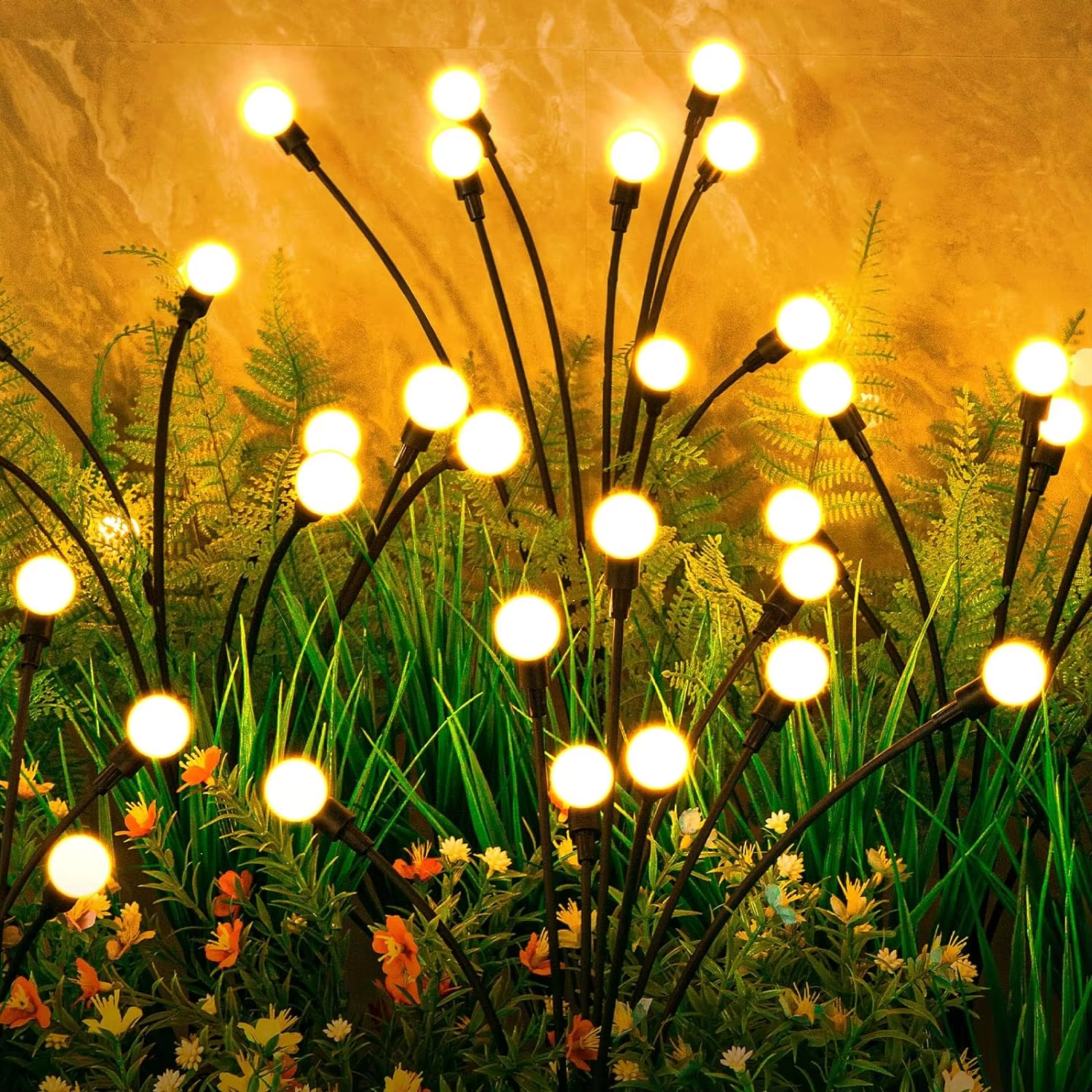
What Total Cost of Ownership Really Means for Solar Garden Decor
Breaking down TCO: Upfront cost, durability, maintenance, and end-of-life considerations
Total Cost of Ownership (TCO) for solar garden decor goes far beyond the sticker price. It includes four key factors:
- Upfront costs: Purchase, installation, and site preparation
- Durability: Resistance to UV exposure and extreme weather
- Maintenance: Ongoing cleaning, part replacements, and labor
- End-of-life: Disposal fees or value from recyclable materials
A 2023 analysis of commercial solar lighting found that 72% of expenses occur after installation, with maintenance alone accounting for 38% of lifecycle costs (AccessFixtures 2023). This highlights the risk of focusing only on initial price—ignoring TCO leads to inaccurate ROI estimates and higher long-term costs.
Why traditional product development overlooks TCO—and how that hurts B2B margins
Most R&D processes emphasize short-term manufacturing savings, creating three costly issues:
- Material compromises: Low-cost plastics degrade quickly under UV exposure, requiring replacement in 2–3 years
- Non-replaceable components: Sealed batteries force full fixture disposal when power fails
- Labor inefficiencies: Poor service access increases annual maintenance by $18–$25 per unit
The problems we're seeing really hurt profits for businesses in the B2B space. Distributors are dealing with all sorts of warranty issues popping up, and landscapers end up paying extra for maintenance they didn't expect. Take one real world example though - when solar lighting was built following total cost of ownership guidelines, it actually cut down on overall expenses by about 56.6 percent after a decade. That's pretty impressive considering the initial price tag was higher. The secret? Focusing on how long these products last and making them easier to maintain. So if someone wants better profit margins over time, investing in durable solar garden decorations makes sense. Want to see all the details behind this finding? There's a complete breakdown available somewhere.
The Top 3 Lifecycle Challenges Driving TCO in Outdoor Solar Decor
UV-induced material degradation and its impact on light output consistency
Garden solar lights constructed from regular acrylic or unstabilized plastic tend to turn yellow and get brittle after around a year and a half when exposed to sunlight. The cloudy appearance cuts down on how much light they emit each year somewhere between twenty to forty percent, which makes them look worse over time and works less effectively too. Solar decorations rely heavily on both good panel performance and proper light spreading through the material. When either part starts breaking down, the problems just pile up faster. Switching to UV stabilized polycarbonate materials can make these outdoor lights last three to five extra years before needing replacement. This means fewer trips to buy new ones and less garbage going into landfills, ultimately saving money in the long run since total cost of ownership drops substantially.
Battery corrosion and seasonal performance decay in variable climates
Lead acid batteries tend to get their terminals corroded when exposed to damp or chilly conditions, often losing somewhere between 30 to 50 percent of their capacity during winter months. Nickel based alternatives do stand up better against corrosion but come with a price tag roughly two to three times what lead acid costs upfront. What really matters though is how these batteries perform outside controlled lab settings versus actual field conditions. When temperatures drop below freezing point around minus 20 degrees Celsius, lithium batteries may only deliver about 40% of what their specifications claim. Smart companies today insist on running tests over 1000 complete charge discharge cycles under different weather scenarios just to get a realistic picture of how reliable these power sources will be over time and prevent customers from getting misled by optimistic total cost of ownership estimates.
Cleaning, wiring, and replacement labor—hidden O&M costs rarely modeled in R&D
Operations and maintenance costs are often underestimated in product design. Field data reveals three major blind spots:
- Biofilm accumulation: Algae and grime reduce solar absorption, requiring monthly cleaning that adds $12–$18 per unit annually
- Connector failures: Inadequate weatherproofing causes 25% of warranty claims, each requiring 45-minute service visits
- Non-modular designs: When one part fails, the entire unit must be replaced, tripling labor and material costs
These unaccounted expenses inflate TCO by up to 40%. However, designs with sealed connectors and tool-less battery access have been shown to reduce lifetime service costs by 58%, proving that serviceability is a critical TCO lever.
Designing for Low-TCO: Key R&D Levers to Extend Functional Lifespan Beyond 5 Years
LiFePO4 integration, monocrystalline micro-panels, and passive thermal design
The real game changer comes with lithium iron phosphate (LiFePO4) batteries that can handle well over 2000 charge cycles while still working great from temperatures as cold as minus 20 degrees Celsius all the way up to 60 degrees. These outperform both traditional lead acid batteries and regular lithium alternatives hands down. Pair them with those monocrystalline micro panels that manage to get around 22% efficiency even when there's not much sunlight and suddenly we're looking at about a 30% boost in energy collection. What makes this setup really stand out though is the passive thermal management system using heat sinks and special convection channels throughout the unit. This clever design stops overheating problems before they start and keeps performance stable too. Field tests show it cuts down on temperature related failures by roughly 40% in harsh weather conditions. All these features combined mean longer lasting installations with far less need for repairs, which translates into big savings on overall costs for anyone investing in solar powered garden decorations across a five year period.
Modular construction and field-replaceable components as TCO reducers
Modular design fundamentally improves maintenance efficiency. Key comparisons include:
| Design Feature | Traditional Approach | Modular Approach | TCO Reduction |
|---|---|---|---|
| Component Access | Welded/glued assemblies | Tool-free latches | 70% labor cost decrease |
| Battery Replacement | Full unit disposal | Slide-out cartridge | 60% parts cost avoidance |
| Panel Upgrades | Impossible without replacement | Plug-and-play connectors | 45% future-proof savings |
Field-replaceable components eliminate the need for specialized technicians, cutting average service costs by $120 per incident. By enabling easy upgrades and repairs, modular systems extend product life beyond warranty periods—aligning R&D with long-term value creation.
Frequently Asked Questions
What is the Total Cost of Ownership (TCO) for solar garden decor?
TCO refers to all expenses associated with solar garden decor, including upfront costs, durability, maintenance, and end-of-life considerations. It highlights the importance of factoring these elements beyond just the initial purchase price.
Why is TCO overlooked in traditional product development?
Traditional product development often emphasizes short-term manufacturing savings, missing out on crucial aspects like long-term durability and maintenance costs, which can impact overall profitability in B2B margins.
What are key R&D levers for designing low-TCO solar garden decor?
Integrating LiFePO4 batteries, monocrystalline micro-panels, and passive thermal design are critical levers to extend the functional lifespan and ensure durability. Adopting modular construction also helps reduce maintenance costs significantly.