EN
EN

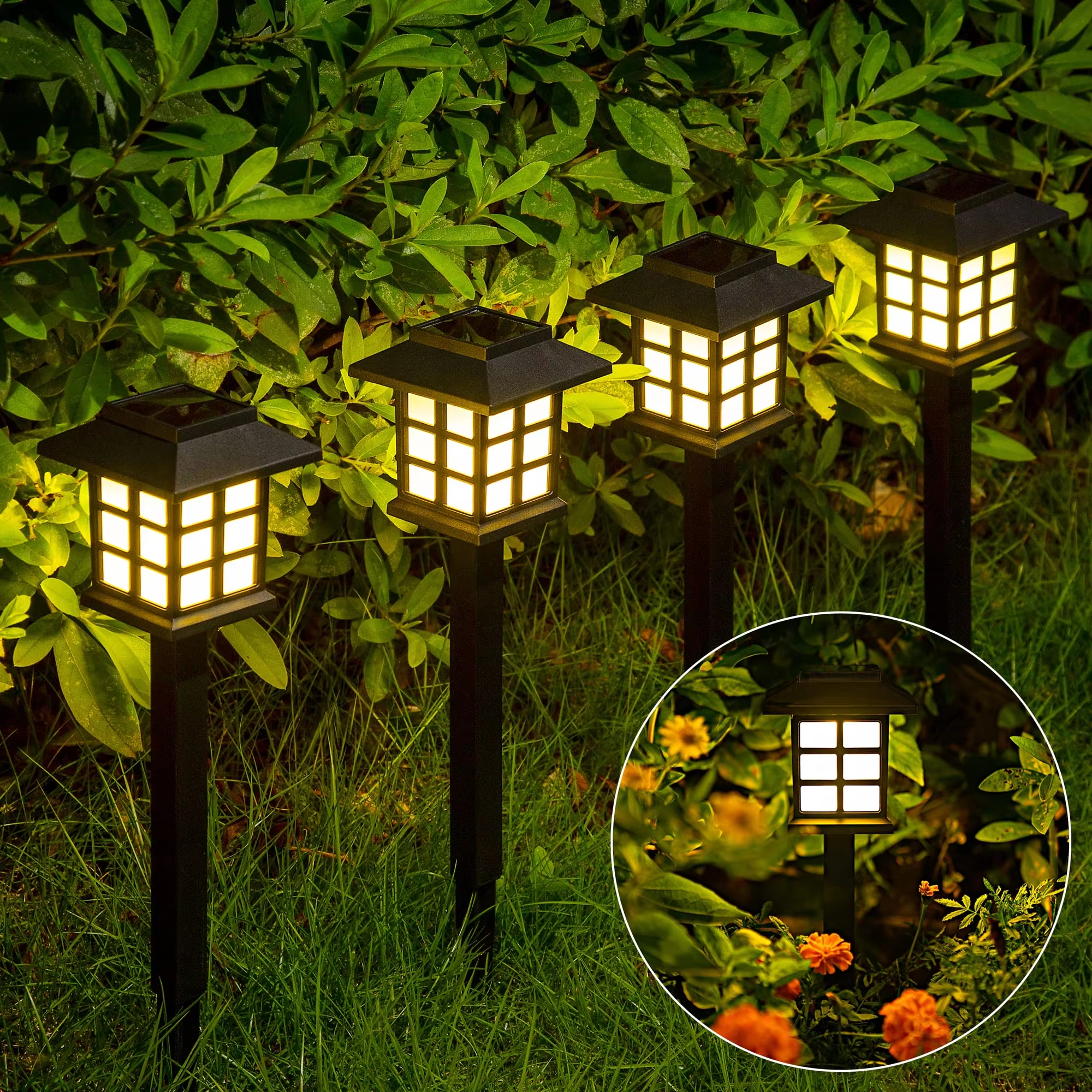
How Rechargeable Batteries Power and Limit Solar Lantern Performance
How Solar Lanterns Convert and Store Energy Using Rechargeable Batteries
Most solar lanterns work by using rechargeable batteries as their main power source. These batteries collect sunlight during the day thanks to those little solar panels we all know, then keep it stored until night time when they need to shine. How well these lanterns perform really comes down to a few key things. First off, how much power the battery can hold matters a lot. Then there's how good the solar panel is at turning sunlight into usable electricity. And finally, what kind of circuits manage all this energy behind the scenes. Regular models usually last around 6 to 8 hours once charged, but some better quality ones with improved battery setups can go twice as long sometimes. The smart ones also have built in temperature control features that stop them from getting too hot while charging, which helps protect the batteries and keeps them working properly through the night.
Lifespan and Durability of Solar Light Batteries Under Regular Use
Rechargeable batteries in solar lanterns degrade by approximately 15–20% annually due to daily charge-discharge cycles. Industry data shows:
| Battery Type | Average Lifespan | Charge Cycles | Temperature Sensitivity |
|---|---|---|---|
| NiMH | 1–2 years | 500–800 | Moderate (-10°C to 40°C) |
| Li-ion | 3–5 years | 800–1200 | High (0°C to 35°C) |
Environmental factors accelerate wear—humidity reduces NiMH efficiency by 12–18%, while extreme heat above 35°C can permanently damage Li-ion cells. Proper housing designs with waterproof seals (IP65 rating or higher) help mitigate these effects.
Common Battery Types in Wicker Solar Lanterns: NiMH vs. Li-ion
Most makers of wicker solar lanterns stick to two main battery types these days: Nickel-Metal Hydride (NiMH) and Lithium-ion (Li-ion). The NiMH ones tend to be cheaper up front, around $2 to $4 each, but they lose charge pretty fast on their own about 15 to 20 percent every month. On the flip side, Li-ion batteries pack about 30 percent more power into the same space and last through more charge cycles, although they come with a much steeper price tag three times what NiMH costs, roughly $6 to $12 per unit. Something interesting has happened recently though with LiFePO4 batteries, which are basically a hybrid solution combining the safety features of NiMH with many of Li-ion's benefits. Tests show these newer batteries can maintain about 85 percent of their original capacity even after going through 2,000 charge cycles. As a result, we're seeing a noticeable trend in the market where about 22 percent of premium solar lighting products now feature Li-ion technology instead of older options.
Extending the Lifespan of Wicker Solar Lanterns Through Replaceable Batteries
Signs That Solar Lantern Batteries Need Replacement
When lights start dimming during the day or don't stay on through the night consistently, that's usually one of the first signs something's wrong with the batteries. According to research published last year by folks who track renewable energy trends, most solar lanterns end up losing about half their runtime within 18 to 24 months if used every single day. The reason? Simple math really, as batteries just can't hold as much charge over time. There are other telltale signs too. Sometimes they just won't top off even when left out in bright sunlight all day long. Or worse still, the light might flicker while only giving off partial brightness, which nobody wants when trying to read at bedtime.
Maintenance Practices to Maximize Battery Longevity
- Store lanterns indoors during subfreezing temperatures to prevent lithium-ion/NiMH battery damage
- Wipe solar panels weekly to maintain optimal charging efficiency
- Avoid deep discharges by using lanterns for hours nightly (recommended in the 2024 Solar Lighting Maintenance Report)
Most Solar Lantern Failures Are Due to Battery Degradation, Not LEDs or Panels
While LEDs typically last 50,000+ hours and solar panels degrade at % annually, batteries remain the weakest link. Testing by independent labs reveals 83% of discarded solar lanterns still have functional LEDs and panels—a $740k e-waste problem tied to non-replaceable power systems.
Case Study: Battery Replacement Extends Wicker Solar Lantern Life by 2–3 Years
A municipal park program in Michigan replaced batteries in 1,200 wicker solar lanterns instead of buying new units. By year 3, 92% remained operational with nightly runtime matching original specs. This $18,500 battery investment saved $69,200 versus full replacements—proving replaceable systems reduce costs while aligning with circular economy principles.
Cost Savings and Economic Benefits of Replaceable Battery Systems
Battery Replacement vs. Buying New Solar Lanterns: A Cost Comparison
Replacing batteries in solar lanterns costs 60–80% less than purchasing entirely new units, according to a 2024 study by the Renewable Energy Institute. A standard wicker solar lantern retails for $45–$65, while replacement NiMH batteries average $8–$12. Over a 5-year period:
| Cost Factor | Full Replacement | Battery Swap |
|---|---|---|
| Initial Investment | $60 | $60 |
| Yearly Replacements | $60 | $10 |
| 5-Year Total | $300 | $110 |
This 63% cost reduction makes battery-replaceable models economically viable for households and businesses managing multiple outdoor solar lights.
Long-Term Savings for Consumers and Municipalities
Municipalities using solar lanterns for public lighting projects save $18–$25 per unit annually by opting for replaceable battery systems. A 2023 case study in rural Kenya showed communities reducing lighting expenses by 72% over 3 years through standardized battery swaps instead of full lantern replacements.
Growing Trend Toward Repairable Solar Lighting in Off-Grid and Rural Communities
The Global Off-Grid Lighting Association reports a 140% surge in demand for modular solar lanterns since 2021, driven by:
- 90% lower maintenance costs compared to sealed units
- Extended product lifetimes exceeding 7 years with proper care
- Localized repair economies creating battery-replacement microbusinesses
This shift aligns with UN Sustainable Development Goal 7, as 58% of off-grid households now prioritize repairable solar devices over disposable alternatives.
Environmental Sustainability: Reducing E-Waste with Replaceable Batteries
Replacing Batteries vs. Discarding Entire Solar Lanterns: Environmental Impact
Solar lanterns create quite a bit of electronic waste when thrown away whole — around 0.8 kilograms worth — whereas replacing just the battery reduces this to about 0.05 kg. According to the latest findings from the Global E-Waste Monitor (2023), most solar lights ending up in landfills across developing countries actually still work fine except for their batteries. That means nearly three quarters of these devices have good solar panels and LEDs left in them, which makes sense since it's usually the battery that goes bad first. When people switch to lanterns with replaceable batteries instead, they keep all those valuable materials out of dumps. We're talking about aluminum frames, toughened glass covers, and copper wiring here — stuff that takes anywhere from three to five times more energy to extract and process compared to what goes into making regular batteries.
How Modular Design Reduces E-Waste and Supports Circular Economy Models
Modular wicker solar lanterns improve material recovery rates to 92% versus 35% for sealed units, according to circular economy guidelines from the Ellen MacArthur Foundation. This design philosophy enables:
| Feature | Sealed Lanterns | Modular Lanterns |
|---|---|---|
| Component lifespan | 2–3 years | 4–7 years |
| Repair success rate | 12% | 89% |
| Material reuse potential | Low | High |
Manufacturers adopting this approach report 40% lower carbon footprints by refurbishing housings and redistributing functional components through takeback programs.
Controversy: Are Sealed Solar Lanterns Contributing to Unnecessary Electronic Waste?
Many people are pointing out that around two thirds of all solar lanterns hitting stores in 2024 come with sealed batteries just so they can hit those IP67 waterproof standards, even though newer tech exists that would let users swap out cells themselves. According to research from WHO's Off Grid Lighting Initiative, folks in remote areas keep tossing whole lanterns after about 18 to 24 months when the batteries die, which adds up to something like 11 thousand tons of unnecessary electronic trash each year throughout sub Saharan Africa. Companies defending their designs talk about needing durable products, but independent tests actually show that lanterns built with replaceable battery compartments still hold up against rain and dust through over a thousand charging sessions without losing protection.
Designing User-Friendly and Sustainable Wicker Solar Lanterns with Replaceable Batteries
Balancing Aesthetic Design With Functional Serviceability in Wicker Lanterns
Wicker solar lanterns today manage to mix good looks with solid engineering thanks to clever designs that hide batteries inside and let people open them without tools. The secret? Flexible rattan or bamboo weaving that hides those battery slots but still keeps rain out. According to a recent poll from last year, around four out of five folks who use outdoor lights want something that looks nice but also doesn't hassle them when they need to change batteries. That explains why many models now come with magnets holding doors closed and standard AA or AAA batteries everyone has lying around. These smart design choices stop the whole thing from looking too big and boxy like some other solar lights on the market that just scream function over form.
Durability and Ease of Maintenance in Lanterns With User-Replaceable Components
High-quality wicker lanterns built for battery replacement use corrosion-resistant terminals, silicone-sealed joints, and UV-stabilized casing materials. These components withstand temperature fluctuations (-4°F to 122°F) and humidity levels up to 95% RH without compromising battery performance. Maintenance simplifies to three steps for most models:
- Remove weatherproof cap (no tools required)
- Swap depleted NiMH/Li-ion batteries
- Reset charge controller via integrated button
This streamlined process extends product usability—manufacturers report a 92% reduction in discarded lanterns when batteries are user-replaceable.
User-Centric Design Principles That Promote Longer Product Lifecycles
Leading solar lantern manufacturers now implement standardized battery bays compatible with third-party replacements, eliminating proprietary battery packs that force premature disposal. Over 60% of warranty claims now relate to battery issues rather than structural failures, driving a shift toward:
- Universal charging ports (USB-C/Micro-USB)
- Clear battery health indicators (LED charge meters)
- QR codes linking to replacement tutorials
These features empower users to maintain lanterns for 5–7 years rather than the 2–3 year average for sealed units, aligning with circular economy principles by keeping materials in active use.
FAQ
Q: What are the main types of rechargeable batteries used in solar lanterns?
A: Nickel-Metal Hydride (NiMH) and Lithium-ion (Li-ion) are the primary types, with recent interest growing in LiFePO4 for their hybrid benefits.
Q: How can I tell if my solar lantern's battery needs replacement?
A: If the light dims quickly, fails to stay on through the night, or flickers, it's likely time for a battery replacement.
Q: What are the cost savings associated with replacing batteries instead of buying new lanterns?
A: Battery replacements can reduce costs by 60–80%, making solar lantern maintenance more economically viable.
Q: How do replaceable batteries support environmental sustainability?
A: They reduce electronic waste and align with circular economy principles by keeping valuable materials out of landfills.
Table of Contents
- How Rechargeable Batteries Power and Limit Solar Lantern Performance
- Extending the Lifespan of Wicker Solar Lanterns Through Replaceable Batteries
- Cost Savings and Economic Benefits of Replaceable Battery Systems
- Environmental Sustainability: Reducing E-Waste with Replaceable Batteries
- Designing User-Friendly and Sustainable Wicker Solar Lanterns with Replaceable Batteries