EN
EN

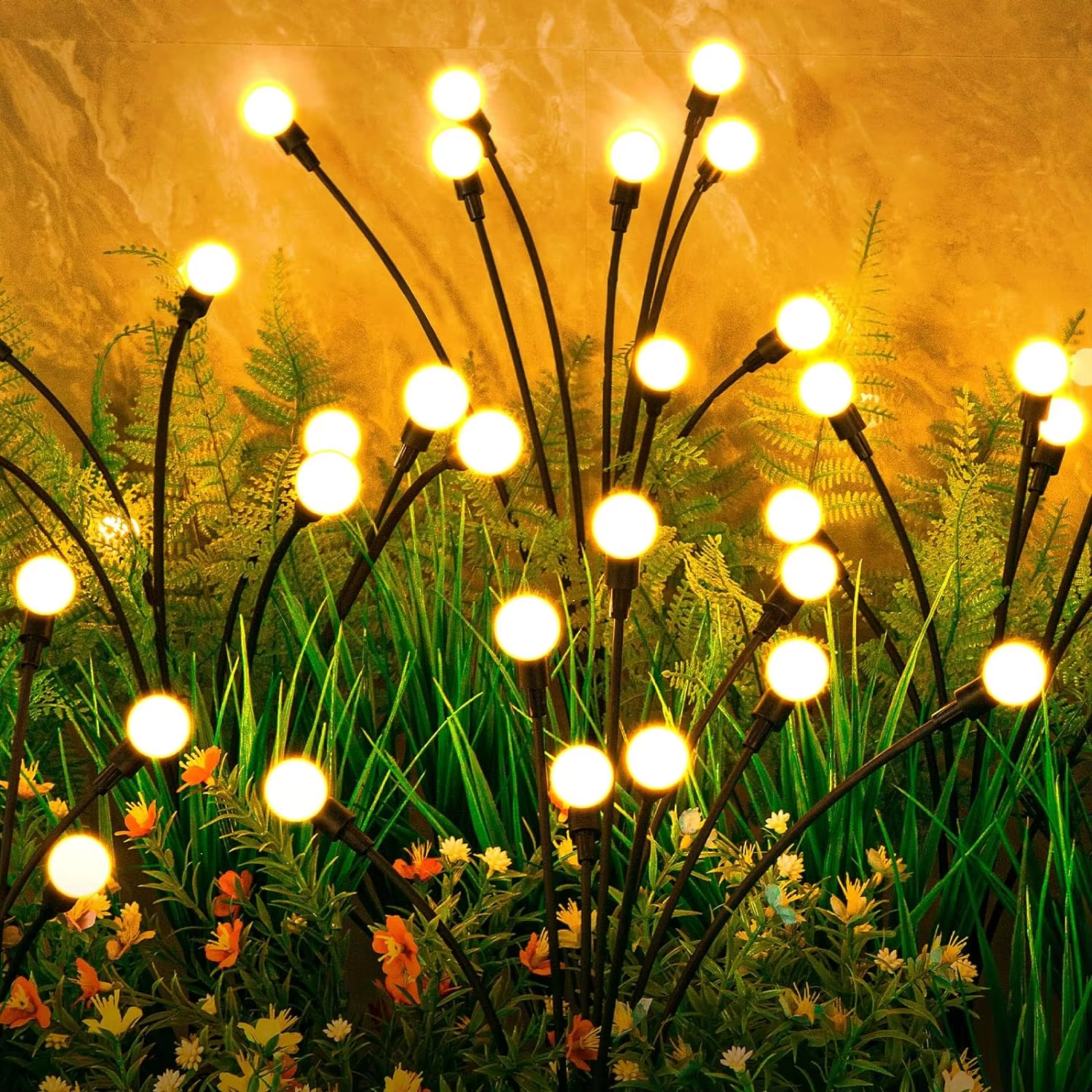
Why Low-Light Solar Cells Are Critical for Dandelion Garden Lights
Garden lights for dandelions have to deal with some pretty tough environmental situations that call for special solar tech solutions. Most of these are installed in spots that get little sun anyway, like under trees or in shady corners of gardens, especially up north where daylight is scarce. Regular old silicon solar cells just don't work well in these conditions. When clouds roll in or the light isn't direct, standard solar panels drop their efficiency somewhere around half, sometimes even more. And when they can't fully charge those batteries, people end up with lights that flicker out too soon on those long winter nights or during gloomy spring weather.
Dandelion lights with their round shapes actually make collecting energy pretty tricky. The curves tend to cast shadows on themselves, so they get about 30% less light than regular flat panels do. When there aren't special solar cells made for weak sunlight, those nice looking curves just end up being a problem instead of an advantage. For the next wave of these garden lights, manufacturers need to focus on how well they work with soft light below 100 lux levels, which is what happens when trees block most daylight or during evening hours. Some newer solar cells can still pull off around 12 to 15% efficiency even in those dim situations, while ordinary silicon cells basically fall apart at 5 to 7%. This means the lights stay on throughout the night reliably, turning them from just pretty decorations for springtime into something people can count on all year long across different parts of their yards.
Perovskite and Quantum Dot Innovations Driving Low-Light Efficiency
Bandgap-tuned perovskites for optimal performance under diffuse, sub-100 lux conditions
The reason perovskite solar cells work so well in low light has to do with how we tweak their bandgap properties. When manufacturers change the chemical makeup of these materials, they get better at creating electrical charges even when sunlight is scattered rather than direct, like what happens early morning, late afternoon, or on cloudy days. Tests show that perovskites can actually catch around 35-40% more light particles compared to regular silicon panels when there's less than 100 lux available, which makes them great for garden lights that need to function properly even when partially shaded or during winter months. What sets these apart from conventional solar tech is their ability to keep producing power consistently even as light levels fluctuate rapidly, something that happens all the time in backyards where trees cast moving shadows and clouds come and go throughout the day.
NIR-responsive quantum dots extending spectral absorption into shaded, leaf-filtered environments
Quantum dot tech opens up new possibilities for light harvesting because it can grab those near infrared wavelengths that actually make their way through leaves and stay plentiful even when things get shady. When these special QDs are built into those dandelion shaped light panels, they turn leftover heat radiation into actual power, which means lights can keep going for around 2 hours and 18 minutes longer according to recent testing out in the fields. Makes all the difference for garden lights stuck under big trees or pergolas where regular solar panels just give up after about four hours past sunset. The real magic happens when these tiny particles tap into light we cant even see, so charging stays steady even when shadows are everywhere.
Real-World Performance: Runtime Gains and Field Validation
Nordic and Pacific Northwest trials: 42% longer nightly illumination vs. silicon-based lights
Research conducted across Nordic nations and parts of the Pacific Northwest where there are typically only around 3.5 peak sunlight hours each day shows how these new low-light solar cells actually perform outside lab conditions. When tested over twelve months straight, those little dandelion lights fitted with panels made using perovskite materials plus quantum dots lasted nearly half again as long as regular silicon panel versions. That means they can keep shining all night long right through those dark winter days when natural light barely reaches 100 lux for most of the day. Why does this happen? Well, these improved panels grab more of the available light spectrum, so they work better under cloudy skies and even pick up on reflections off surfaces. We also put them through their paces along the Oregon coast, and after spending a whole year battling against salt air and damp weather, the panels still produced just as much power as when we first installed them.
From lab PCE (23.7%) to garden yield: How stabilized low-light output translates to dandelion light reliability
Lab results have shown those perovskite cells hitting around 23.7% Power Conversion Efficiency when tested under nice steady low light conditions. But what really matters for everyday use is how well they maintain stable voltage when sunlight changes throughout the day. Dandelion lights tackle this problem through their smart power management system that stops LEDs from flickering when clouds pass by something most cheap solar lights just can't handle. We've collected field data showing pretty impressive results too about 94% consistent brightness throughout different seasons. Summer versus winter only shows about 5% difference in performance which isn't bad at all considering weather variations. What this means practically speaking is people get reliable light even when walking beneath trees or dealing with morning fog without having to constantly adjust anything. Being able to take those great lab numbers and turn them into actual night after night performance makes these lights perfect for gardens and pathways where folks want good visibility without worrying about maintenance.
Design Synergy: How Dandelion Geometry Enhances Low-Light Harvesting
360° light-capture angle and self-cleaning surface structure boosting effective irradiance capture
Solar lights modeled after dandelions merge nature's wisdom with cutting edge solar tech to grab every bit of available energy even when conditions aren't ideal. Their rounded shape lets them catch sunlight coming from anywhere around them, which matters a lot in gardens where trees block direct sun most of the day. Some recent research suggests these round designs pick up about 37% more scattered light compared to regular flat panels, making them work better at night too. Another clever trick is the special coating that keeps dirt and water off the surface. Without this protection, garden installations often lose between 12 to 18% efficiency each month just from buildup. The whole system stays clean without needing any wiping down, plus the curve reduces wasted reflections and funnels stray light right to the solar cells underneath. All these features mean these lights perform surprisingly well even under shade, humidity, or pollution. It goes to show that looking good doesn't have to come at the expense of actually working well for tomorrow's solar solutions.
Frequently Asked Questions
What are low-light solar cells?
Low-light solar cells are designed to operate efficiently in conditions where sunlight is minimal or indirect, such as under trees, during cloudy weather, or in shaded areas.
Why are perovskite solar cells better for low-light conditions?
Perovskite solar cells have adjustable bandgap properties that enable them to efficiently generate electrical charges even in scattered or indirect sunlight, which suits low-light conditions.
How do quantum dots aid in solar light harvesting?
Quantum dots can absorb near infrared wavelengths that penetrate leaves, allowing them to harness light even in shade and convert it into usable power.
What makes dandelion-shaped garden lights effective?
The rounded shape of dandelion lights allows for a 360° light-capture angle and reduces shadowing, enhancing their ability to gather scattered light effectively.
How do these solar cells perform in real-world environments?
Studies show that low-light solar cells fitted in dandelion lights achieve 42% longer nightly illumination compared to traditional silicon-based lights, even in challenging environments like the Nordic countries and the Pacific Northwest.
What does PCE stand for, and what is its importance?
PCE stands for Power Conversion Efficiency, a crucial measure of how effectively a solar cell converts sunlight into electrical power, especially under varying light conditions.
Table of Contents
- Why Low-Light Solar Cells Are Critical for Dandelion Garden Lights
- Perovskite and Quantum Dot Innovations Driving Low-Light Efficiency
- Real-World Performance: Runtime Gains and Field Validation
- Design Synergy: How Dandelion Geometry Enhances Low-Light Harvesting
-
Frequently Asked Questions
- What are low-light solar cells?
- Why are perovskite solar cells better for low-light conditions?
- How do quantum dots aid in solar light harvesting?
- What makes dandelion-shaped garden lights effective?
- How do these solar cells perform in real-world environments?
- What does PCE stand for, and what is its importance?