EN
EN

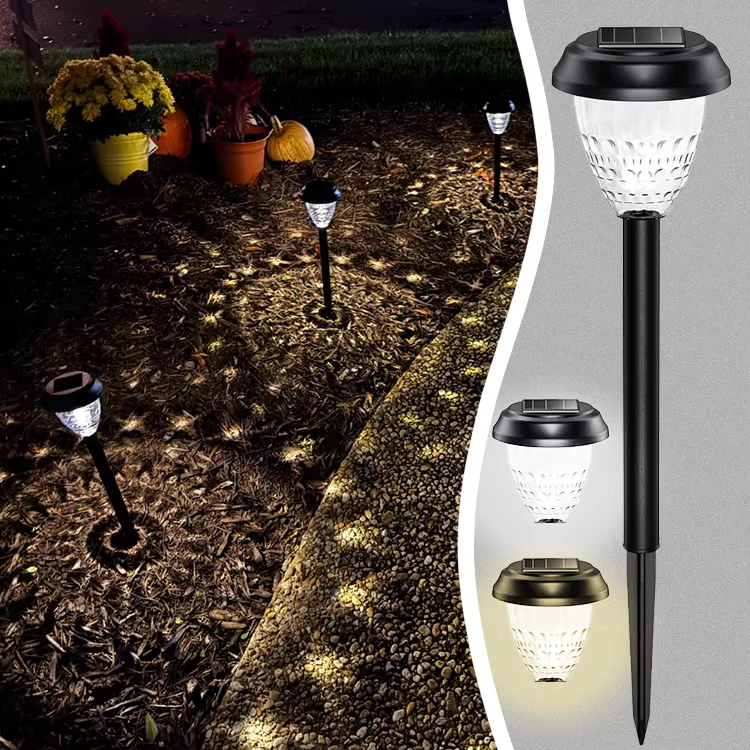
Solar Wall Mount Lights as Proactive Deterrents for Home Security
The psychological and behavioral impact of automatic illumination on potential intruders
Solar wall lights that turn on automatically can really stop would-be criminals in their tracks. Most intruders depend on staying hidden in the dark, so when these lights suddenly come on because someone moves nearby, it gives them pause. Studies show that around 8 out of 10 burglars will skip a house if it's brightly lit at night (Urban Institute found this back in 2023). These motion sensors get rid of those shadowy areas around entry points and let people know someone is home. That makes a big difference compared to houses that look empty and vulnerable. Modern systems are unpredictable too, which is why many folks just give up trying to break in. Research suggests homes with good lighting seem almost three times riskier for theft attempts based on what security experts have studied over the years.
Real-world evidence: Neighborhood Watch data linking solar wall mount lights to reduced break-in attempts
Neighborhood Watch programs across 12 suburban communities documented a 40% reduction in nocturnal break-in attempts over three years following strategic deployment of solar wall mount lights (National Crime Prevention Council, 2023). Effectiveness scales with placement targeting high-risk zones yields the strongest deterrent effect:
| Location | Break-in Reduction | Optimal Lumens |
|---|---|---|
| Driveways/Garages | 52% | 800–1200 |
| Rear Entryways | 48% | 600–1000 |
| Side Pathways | 35% | 400–800 |
This data confirms that consistent dusk-to-dawn perimeter illumination significantly improves situational awareness not just for residents, but for responders. Homes with reliable solar-powered security lighting experienced 7% faster police response times, attributable to clearer witness accounts and enhanced CCTV image quality during incidents.
Smart Motion Sensing: Optimizing Response and Reliability for Perimeter Security
Detection range, response latency, and adaptive sensitivity key specs for effective threat deterrence
Real world performance of motion sensing systems boils down to three main factors: how far they can detect movement, how quickly they react, and their ability to adjust sensitivity. Most residential areas need coverage between 20 and 30 feet for places where people typically enter properties such as side doors or driveway approaches. This gives security lights enough time to turn on before someone gets out of sight behind bushes or walls. Response times under one second make all the difference. When lights come on fast enough, intruders cant hide properly and get startled instead. The third parameter matters too. Systems that can tell the difference between a cat walking past and actual human movement cut down on nuisance activations. Tests conducted last year showed this kind of smart adjustment reduced false alarms by around 70% according to UL Safety Institute reports. Put these elements together and what starts as simple outdoor lighting becomes something much smarter at protecting property boundaries.
Dusk-to-dawn vs. motion-activated modes: When to use each for layered security coverage
The right mode depends on what each area actually does, not just whatever comes preset. Front doors and main garage entries need lights that stay on from sunset to sunrise. People can see these areas clearly, which stops folks from hanging around and makes it obvious someone's home. Save the motion sensors for places nobody really walks through much backyard fences, side alleys, those old sheds out back. When someone moves past them unexpectedly, the light jumps on suddenly, which scares people away but saves power too. A good security setup combines both approaches. Put the always-on lights close to entryways and stick motion detectors around the edges of the property. Mixing these two methods means batteries last about 40 percent longer when things are quiet, yet still react fast enough where trouble tends to happen first.
Brightness, Placement, and Runtime: Engineering Visibility for Critical Zones
Lumen output guidelines and optimal mounting height/angle for entryways, garages, and walkways
Getting the right balance between brightness and placement is essential when it comes to proper identification rather than just making things visible. For main entrances, installing lights with around 300 to 500 lumens at about 6 to 8 feet high works best when angled down at roughly 45 degrees. This setup helps highlight faces without causing annoying glare issues. Garage areas need much brighter lighting though, somewhere around 700 lumens or more placed strategically above where vehicles typically enter to get rid of those pesky blind spots underneath awnings and among parked cars. Walkway lighting should be different altogether. Lower output fixtures between 100 and 200 lumens positioned closer to ground level (about 3 to 4 feet tall) spaced approximately every 10 feet along the path creates smooth walking conditions without shadows getting in the way. Something worth remembering too is that if lights are pointed past 60 degrees angle, they actually make facial recognition systems fail about 70% of the time, which defeats what we're trying to achieve with security cameras. Keeping lights pointed downward isn't just preferred, it's absolutely necessary for effective threat detection.
Balancing battery runtime and seasonal light availability to sustain consistent security performance
Winter sunlight reduction up to 60% in northern latitudes demands proactive design. To ensure uninterrupted dusk-to-dawn operation year-round:
- Specify batteries with 20% headroom above rated capacity
- Prioritize motion-activated mode in low-traffic zones during shorter days
- Install 120°+ wide-angle solar panels tilted toward the winter sun's southern arc Systems featuring adaptive brightness throttling dimming slightly during extended overcast periods while maintaining full output during motion events achieve 95% nightly uptime across all seasons, preserving security integrity during peak vulnerability windows.
Installation, Maintenance, and Integration with Broader Home Security Systems
Solar wall mount lights fit right into what most people already have for home security without needing any wires or hiring an electrician. Just slap them on those important spots around the house doors, garage entryways, back gates and it's done in under five minutes using nothing fancy. Keep these working well over time means doing three simple things clean off the solar panels once a month so dirt and snow don't block sunlight, check how the batteries are holding up every few months, and make sure the sensors aren't pointing off track twice a year. Want even better protection? Hook these lights up with other smart stuff in the neighborhood set them to turn on when motion is detected, get alerts on phone apps, or start recording nearby security cameras. When everything works together like this, regular outdoor lighting becomes part of something bigger warning system where turning on a light isn't just seeing who's there, but actually kicking off the whole security process automatically.
FAQ
Are solar wall mount lights reliable for home security?
Yes, solar wall mount lights are reliable as they use solar energy, reducing dependence on electricity grids, and they feature motion sensors that offer excellent deterrence against potential intruders.
Do solar wall lights work in areas with little sunlight?
Solar wall lights can work in areas with less sunlight, especially if equipped with high-efficiency solar panels and optimal battery capacity designed to store energy for low-sunlight conditions.
How do solar wall mount lights integrate with home security systems?
They integrate seamlessly with existing security setups, offering wireless installation and the ability to connect with smart home security devices such as cameras and motion sensors.
What maintenance is required for solar wall mount lights?
Monthly solar panel cleaning, quarterly battery checks, and biannual sensor adjustments are typically required to maintain optimal efficiency and reliability.
Table of Contents
- Solar Wall Mount Lights as Proactive Deterrents for Home Security
- Smart Motion Sensing: Optimizing Response and Reliability for Perimeter Security
- Brightness, Placement, and Runtime: Engineering Visibility for Critical Zones
- Installation, Maintenance, and Integration with Broader Home Security Systems
- FAQ