EN
EN

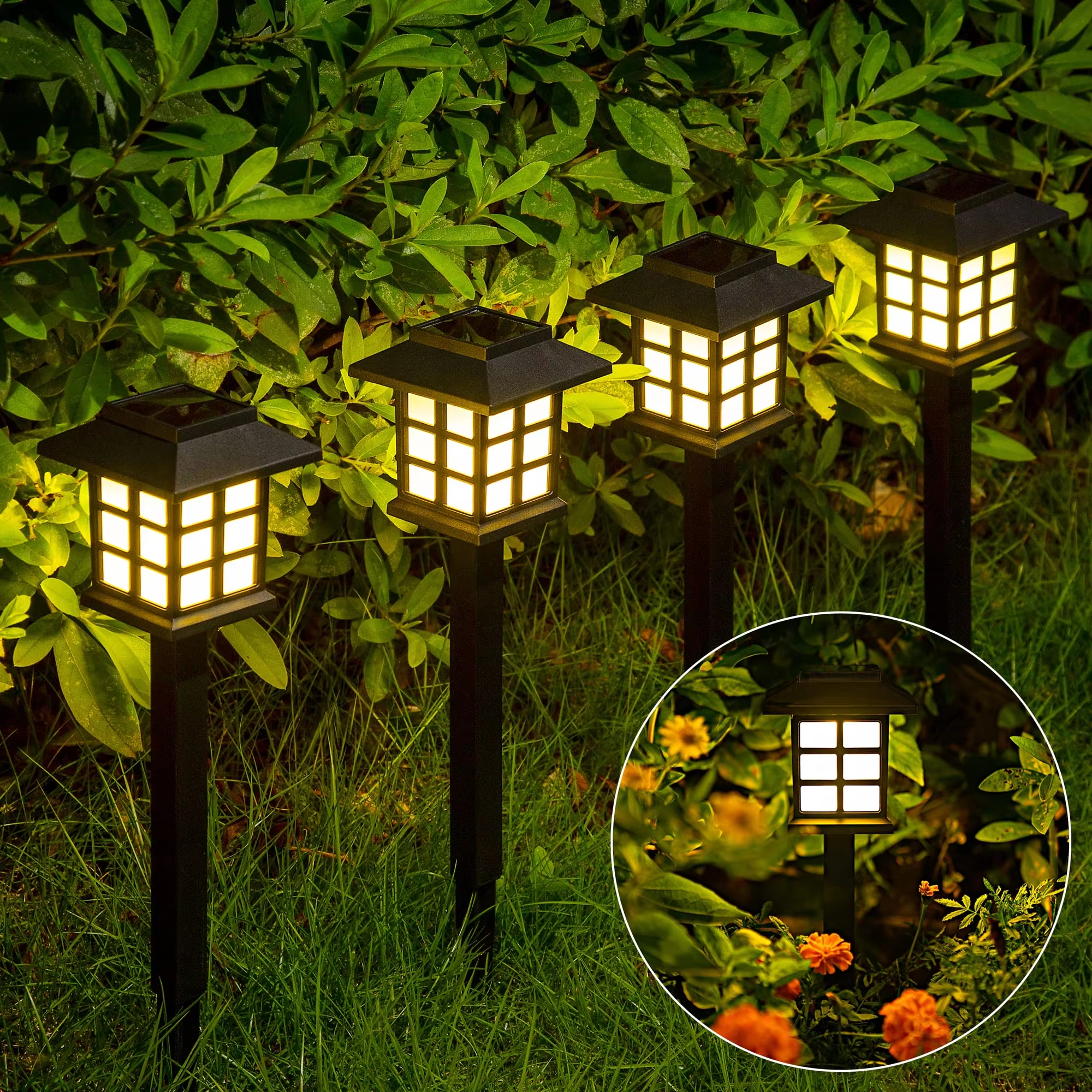
The Rise of Mushroom String Lights in the Cottagecore Movement
Viral Popularity on Pinterest and Instagram: How social media fueled the trend
Mushroom shaped string lights took off on Pinterest and Instagram last year. Posts about them shot up by around 78% compared to 2022. People started sharing pictures of their gardens at night when the little glowing caps would light up between the ferns and moss patches. The look really caught on with millennials who wanted something naturey and dreamy for their feeds. The hashtag #cottagecorelights got used over half a million times as folks tried to recreate those magical vibes. These lights are nothing like the bright white bulbs we're used to seeing everywhere else. They cast this soft glow that makes any backyard feel like a secret forest from a storybook, almost instantly transforming ordinary spaces into something straight out of a fantasy novel.
Core Appeal: Nostalgia, softness, and rejection of modern minimalism in garden design
More people who own homes are ditching those cold, barebones outdoor areas these days. They want something different now - lighting that feels warm and brings back memories of simpler times. Those mushroom shaped string lights have become really popular lately because they look so natural and give off this nice, soft light. Unlike all the sharp angles and bright screens we see everywhere else, these lights create something softer for the eyes. The way they look reminds folks of those old picture books from when they were kids, making gardens feel less harsh around the edges. There's just something about them that makes people stop and think. This whole trend actually fits right into what's called the cottagecore movement. People are starting to appreciate spaces that aren't perfect but still beautiful in their own way. Gardens filled with plants, mismatched furniture, and yes, those quirky mushroom lights, all contribute to creating places where life feels real and meaningful.
Case Study: The 2023 ‘Moss & Moon’ pop-up garden in Asheville—42% conversion lift with biodegradable mushroom lights
The Moss & Moon pop-up garden in Asheville really showed what those biodegradable mushroom string lights can do when placed in a natural setting. Weaving these lights through local moss beds and along the meandering paths made all the difference. The numbers speak for themselves too; visitors who came were 42% more likely to actually make a purchase after seeing them. People stuck around about 22 extra minutes compared to folks hanging out in nearby gardens that had nothing but plain greenery. There's something about those whimsical, storybook vibes created by the lighting that just pulls people in and keeps them engaged. Looking at this success, it seems clear that these kinds of eco-friendly lights aren't just good for the environment they also bring real business benefits and create memorable experiences for guests.
Design Science: How Mushroom Shapes Create Softer, More Natural Lighting
From Harsh LEDs to Earth-Toned Glow: The shift in residential garden illumination
Most garden lights these days use those bright blue LEDs that throw harsh, artificial looking pools of light all over the place, which just doesn't fit with the cozy, earthy vibe people want for their cottagecore spaces. Mushroom string lights are actually a much better option though. They have those warm amber and olive colored lenses that sort of look like how things appear during dusk time. Some research suggests that these warmer colors between around 2700K to 3000K can cut down on messing with our body clocks by roughly 40% compared to regular LED bulbs. What we get instead is this nice soft glow that really brings out the details in wood textures, rocks, leaves everything in the garden feels more natural and welcoming, exactly what someone trying to create that charming rural atmosphere would want.
Light Dispersion Physics: Why dome-shaped caps reduce glare by 68% (IES LM-79 data)
The dome-shaped cap of mushroom string lights acts as a natural diffuser, scattering light evenly and minimizing glare. Testing under IES LM-79 standards shows these designs reduce direct glare by 68% compared to exposed bulbs. Four key mechanisms contribute:
- Internal reflection: Light bounces within the cap before emitting outward
- Edge diffusion: Thicker base edges create smooth light transitions
- Angular cutoff: The cap blocks upward light spill
-
Surface texture: Frosted or matte finishes eliminate hotspots
This physics-based diffusion produces ambient, shadow-rich illumination that highlights plants like ferns and moss without overwhelming the senses—turning ordinary gardens into immersive, softly lit woodland escapes.
Biophilic Benefits: Connecting Nature and Well-Being Through Garden Lighting
Integration with Biophilic Design Standards: Alignment with WELL Building Standard v2, Outdoor Category
The mushroom shaped string lights actually fit right in with those biophilic design ideas mentioned in the WELL Building Standard version 2 Outdoor Category. These little guys look kind of like real mushrooms, which taps into our natural love for things from nature. Some studies on environmental psychology suggest people feel about 15% less stressed when surrounded by these kinds of natural elements. If we hang them along those moss covered walking paths or tuck them into patches of ferns, they help meet the "Nature Interaction" requirements set by WELL. The lights create these rich sensory experiences that catch both our eyes and emotions without messing up the local ecosystem balance. Garden owners who install this type of lighting are basically setting up their outdoor areas as healing spots. The soft, uneven light patterns work with our body's internal clock, making folks feel calmer and generally better just being there.
Strategic Placement for Seamless Garden Integration
Layered Lighting Techniques: Installing lights under canopies, along moss paths, and within fern beds
Wherever we place those mushroom shaped string lights makes all the difference between just decoration and something really special in the garden. Put some under trees so their light filters through leaves creating those pretty shadow patterns similar to what we see in real forests. String others along paths covered in moss to help people find their way without being too bright. Hide a few among ferns where they look almost like glowing mushrooms growing naturally. Layering different placements gives gardens more dimension and cuts down on harsh lighting problems, especially when branches block direct view of bulbs which actually helps spread out the glow better. Following how nature itself shapes the space, these little woodland touches fit right in with everything else around them, keeping that magical, dreamy feel that cottagecore lovers absolutely adore.
FAQ
What are mushroom string lights?
Mushroom string lights are decorative lighting fixtures shaped like mushrooms, popular for creating soft, naturalistic lighting effects in gardens and outdoor spaces.
How do mushroom string lights fit into the cottagecore movement?
Mushroom string lights embody the whimsical, nature-inspired aesthetic intrinsic to the cottagecore movement, transforming ordinary settings into enchanting spaces.
Are mushroom string lights eco-friendly?
Many mushroom string lights, like those used in the Moss & Moon case study, are biodegradable and align with eco-friendly principles.
Do mushroom string lights help reduce stress?
Yes, mushroom string lights incorporated into natural landscapes can reduce stress by approximately 15%, as they enhance connections with nature.